Russia Deepens Strategic Partnership with the Central African Republic Amid Broader African Engagement
Over the past decade, Russia has steadily reasserted its presence across the African continent, advancing its influence through military, economic, and diplomatic partnerships. Among its key allies, the Central African Republic (CAR) has emerged as a particularly strategic partner, with growing collaboration in the security sector and the deployment of Russian military instructors. This alignment has translated into deeper Russian involvement in CAR’s political and economic spheres, and has opened the door to broader cooperation across several critical industries.
A Framework Agreement in the Making
During a recent visit to Russia, Thierry Patrick Akoloza, CAR’s Minister of Commerce and Industry, confirmed that discussions are underway to establish a new framework of bilateral agreements. Although no formal documents have been signed, both parties report that they have reached consensus on the guiding principles for future cooperation. Technical teams from both countries are expected to develop these foundations into tangible projects, with agreements likely to be finalized progressively rather than on a fixed timeline.
This phased, dialogue-driven approach favors sustained engagement between Russian and Central African experts. While slower, it allows for more durable partnerships in sectors that are priorities for CAR, such as mining, agriculture, and pharmaceuticals. These areas, according to Bangui, could benefit significantly from Russian technological expertise and logistical support.
Strategic Economic Sectors in Focus
Faced with structural challenges and economic vulnerabilities, CAR is eager to diversify its development drivers. The mining sector, though rich in resources, remains largely untapped. Russia’s experience in geology and extraction presents an opportunity to enhance this sector—particularly through workforce training, modern mining techniques, and improved access to global markets.
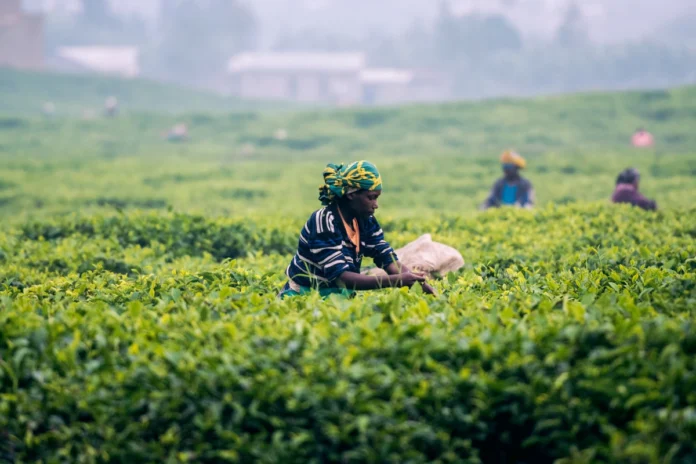
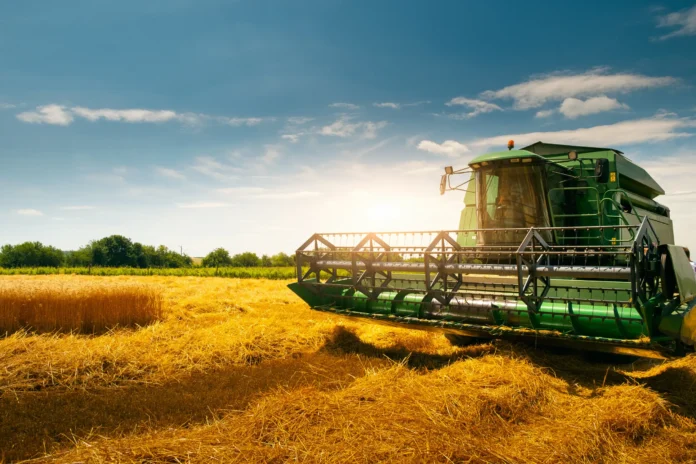
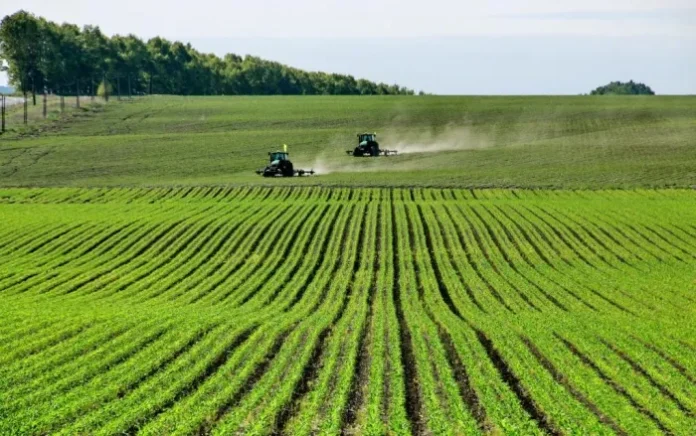
Agriculture, a vital yet underdeveloped sector, is another key area of interest. CAR remains heavily dependent on imports to meet basic food needs. In response, joint Russian-Central African initiatives may focus on upgrading agricultural infrastructure, improving seed quality, and promoting mechanized farming practices.
Additionally, the pharmaceutical industry is gaining attention as a potential growth sector. Russia’s support could be instrumental in developing local drug manufacturing capacities, including generic medicines, through joint ventures or technology transfers.
A Relationship Evolving in Phases
This new phase of cooperation marks a shift from the predominantly security-based nature of previous agreements to a more comprehensive economic partnership. As Russia expands its footprint in Africa—establishing ties in countries like Mali, Sudan, and Burkina Faso—CAR appears poised to broaden its engagement with Moscow beyond military matters, incorporating more strategic economic dimensions.
Minister Akoloza emphasized the exploratory nature of his visit, framing it as a foundational step toward deeper economic collaboration. Building on an already strong political alliance, both nations now appear focused on crafting a bilateral partnership that delivers concrete benefits for the Central African population while serving Russia’s broader geopolitical ambitions on the continent.
Prospects and Challenges Ahead
This evolving alliance could play a significant role in reshaping regional dynamics—if, and only if, the promises of cooperation are followed by concrete, long-term implementation. With careful coordination and sustained commitment, the emerging CAR-Russia partnership may offer a new model of strategic collaboration between African states and external powers seeking influence in the region.