Arabfields, Farah Benali, Economic Correspondent, China — The recent dispatch of South Africa’s inaugural consignment of stone fruits to the Chinese market stands as a landmark achievement in global agricultural commerce, inaugurating a new bilateral export protocol that is set to redefine opportunities for producers in the southern African nation while addressing the growing demand for premium fresh produce in one of the world’s most dynamic economies. This historic shipment, which took place in mid-February of 2026, involved approximately twenty thousand cartons of premium plums, primarily consisting of the sought-after African Delight and Ruby Star varieties, all meticulously prepared at a modern packhouse facility in Franschhoek, a hub known for its favorable growing conditions and commitment to excellence in fruit handling. The event was attended by South Africa’s Minister of Agriculture along with the Ambassador of the People’s Republic of China to South Africa, whose presence highlighted the collaborative spirit that has driven this initiative forward and signaled the depth of the strategic partnership between the two countries.
This protocol, which grants duty-free access for an array of South African stone fruits including plums, peaches, nectarines, apricots, and prunes, follows the formalization of a comprehensive trade agreement several months earlier and represents the official commencement of sustained commercial flows across the Indian Ocean. By eliminating tariffs, the arrangement has positioned South African exporters to compete more effectively in a marketplace where quality, consistency, and reliability are paramount, thereby enhancing the overall competitiveness of the local deciduous fruit industry that has long served as a vital pillar of the national economy. The first shipment not only fulfills immediate logistical milestones but also demonstrates the successful navigation of stringent phytosanitary requirements, a process that demanded rigorous adherence to international standards in cultivation, harvesting, packing, and certification to ensure the fruits meet the exacting expectations of Chinese regulatory authorities.
China’s vast agricultural import landscape, which encompasses inflows valued at approximately two hundred billion dollars each year, offers an expansive canvas for such partnerships, yet South Africa’s current participation accounts for just zero point four percent of this total, leaving ample room for meaningful expansion and deeper integration. Government and industry stakeholders have outlined clear ambitions to double the overall value of agricultural exports to China from its present baseline of roughly four hundred million rand, or about twenty-one million dollars, within the span of the next four years, a target that reflects confidence in the productive capacity of South African orchards and the ability of the sector to scale operations in response to newfound market access. This projected growth trajectory is expected to unfold through a series of increasing shipment volumes as the protocol matures, with the initial consignment serving as a foundational step that will be followed by regular dispatches timed to align with peak harvest periods and consumer preferences in major Chinese cities.
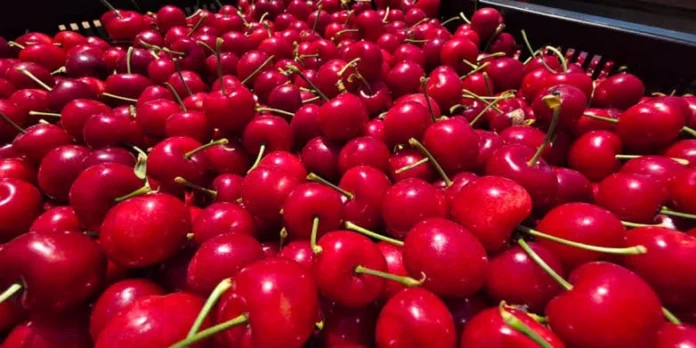
As the trade relationship gains momentum, forecasts indicate that export volumes of stone fruits could experience a tremendous escalation in the coming seasons, potentially multiplying several-fold as supply chains become more streamlined and awareness of South African produce spreads among importers, retailers, and end consumers. The inclusion of additional categories, such as cherries for which protocols are in the final stages of negotiation and blueberries slated for implementation later in the year, will further broaden the offering and allow for year-round relevance in the Chinese market, where seasonal complementarity with northern hemisphere production can provide a steady supply of fresh options. This phased rollout is anticipated to generate substantial additional revenue streams that will flow back into farming communities, supporting reinvestment in irrigation systems, varietal research, and sustainable practices that enhance resilience against climate variability while maintaining the high standards that secured initial market entry.
The economic benefits extending from this development are multifaceted and far-reaching, promising to bolster employment across the entire value chain from on-farm labor to specialized packing operations, refrigerated transport networks, and port logistics hubs that facilitate efficient movement of perishable goods over long distances. In rural areas where fruit production is concentrated, the influx of export earnings is projected to stimulate local economies, encouraging the expansion of orchards and the adoption of precision agriculture technologies that boost yields without compromising environmental integrity. Over the medium term, as the doubling target is met and surpassed, analysts foresee South Africa’s share of China’s agricultural imports rising progressively toward one percent or beyond within a decade, a shift that could translate into hundreds of millions of dollars in cumulative trade value and contribute meaningfully to broader goals of economic diversification and foreign exchange stabilization.
For Chinese consumers, the arrival of these stone fruits introduces a new dimension of choice, bringing varieties prized for their exceptional sweetness, juiciness, and nutritional density to tables and markets during periods when domestic supplies may be limited. This counter-seasonal advantage positions South African produce as a reliable complement to local harvests, appealing to an increasingly affluent and health-focused population that values imported delicacies for their quality and traceability. Future projections suggest that demand will build steadily as marketing initiatives highlight the origins and attributes of these fruits, leading to their integration into mainstream retail channels, e-commerce platforms, and even festive gift assortments, thereby creating a self-reinforcing cycle of higher orders and greater visibility that sustains long-term growth.
The pathway to this breakthrough was paved through years of technical cooperation and diplomatic engagement, underscoring the importance of mutual trust in overcoming barriers related to biosecurity and quality assurance. South African producers have demonstrated their commitment by investing in compliance measures that not only opened the door for plums but also lay the groundwork for seamless expansion to other fruits, ensuring that the entire sector benefits from shared expertise and best practices. This collaborative model is expected to evolve further, potentially encompassing joint programs in research and development that focus on developing cultivars optimized for both markets and enhancing post-harvest technologies to reduce spoilage during extended voyages.
In the broader context of international trade dynamics, this initiative exemplifies how targeted agreements can foster resilience in the face of global uncertainties, allowing South Africa to mitigate risks associated with reliance on established partners while enabling China to diversify its sourcing strategies for essential food imports. The protocol’s success is likely to inspire similar arrangements in adjacent sectors, amplifying the overall impact on bilateral relations and setting a precedent for other emerging opportunities in agriculture and beyond. Looking ahead, the sustained increase in volumes is forecasted to transform the deciduous fruit landscape in South Africa into a more globally oriented industry, one that not only meets domestic needs but also contributes significantly to international food supply chains with produce of unmatched caliber.
As the first shipment makes its way to its destination, the optimism surrounding this venture is palpable, rooted in the tangible data of initial success and the strategic framework now in place. With projections pointing to robust expansion in the short term through doubled export values and even more ambitious gains over the longer horizon, this development holds the potential to deliver lasting prosperity for producers, enhanced choices for consumers, and strengthened economic ties that benefit both nations. The journey from this pioneering consignment to a mature and thriving trade corridor promises to be one of continuous progress, marked by innovation, adaptability, and shared commitment to excellence in agricultural exchange.