Arabfields, Cherifa Brahmi, Correspondent, Seoul, South Korea — South Korea and China are set to revive a bilateral agricultural dialogue that has been dormant for eight years, as both countries seek closer cooperation on food security, climate change, technology and agricultural trade.
The two governments will hold the Korea-China Agricultural Cooperation Committee on Sept. 7, marking the first meeting of the forum since 2018. South Korea’s Vice Minister for Agriculture, Kim Jong-gu, is due to visit China from Sept. 5 to Sept. 7 for talks with Chinese agricultural and customs officials.
The meeting comes as farmers and food producers across Asia face a more uncertain operating environment, with climate pressures, ageing rural populations and changes in global food supply chains putting greater emphasis on agricultural resilience.
For South Korean persimmon growers, the renewed dialogue carries a particularly practical significance. Seoul and Beijing reached an agreement last year to open China’s market to fresh Korean persimmons after 17 years of negotiations. The agreement created a pathway into a market of about 1.4 billion people, but exporters must meet detailed registration, pest-control and quarantine requirements before shipments can expand.
The agricultural committee is expected to address those issues alongside wider cooperation in smart farming and livestock quarantine. South Korean officials also plan to discuss arrangements aimed at allowing Korean persimmons to enter China within 2026.
The reopening of the dialogue reflects a broader effort to rebuild agricultural ties after years of disruption linked to the COVID-19 pandemic and a difficult diplomatic environment. For producers, the outcome will be measured less by diplomatic statements than by whether trade procedures become easier and new export opportunities materialise.
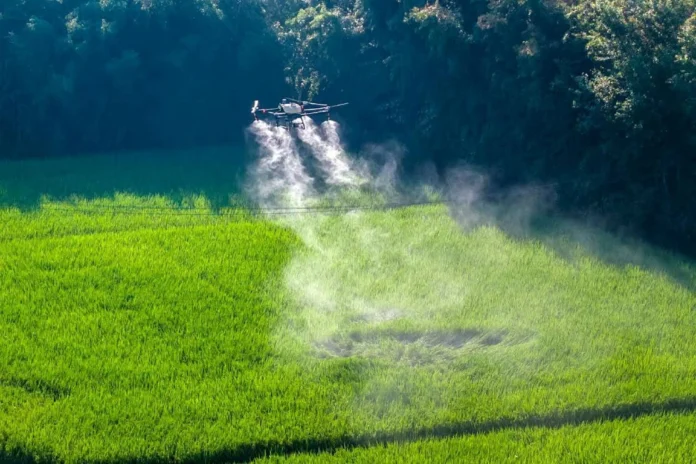
South Korea’s agricultural policy is increasingly focused on technology as the country confronts a shrinking and ageing farm workforce. The government’s smart-farming strategy aims to introduce advanced technologies across a significant share of greenhouse and field-crop production, making cooperation with China on agricultural technology potentially relevant beyond bilateral trade.
The economic opportunity is also significant because China remains one of South Korea’s most important trading partners. Yet the opening of a new market does not automatically translate into higher farm incomes. Producers must still meet strict standards, maintain pest-monitoring records and ensure that fruit passes inspection before shipment.
That makes the next stage of cooperation important for farmers preparing for the export season. Greater clarity on quarantine procedures could reduce uncertainty for growers and packing facilities, while stronger agricultural technology links could help producers manage labour shortages and climate-related risks.
The two countries are likely to focus initially on practical measures rather than a broad expansion of agricultural trade. If the Sept. 7 meeting produces workable arrangements on quarantine, smart farming and food-security cooperation, bilateral agricultural exchanges could gradually expand over the coming years.
The revival of the committee also gives Seoul and Beijing a regular channel for dealing with future disruptions. With climate volatility and supply-chain risks expected to remain persistent, agricultural cooperation is likely to become increasingly tied to economic security as well as traditional farm policy.
For South Korean farmers, the test will ultimately be whether the renewed diplomatic engagement brings more predictable access to Chinese consumers. For both governments, the longer-term objective is broader, to build a more stable agricultural relationship capable of responding to food-security and climate pressures that are unlikely to disappear soon.