Arabfields, ilhem Saàdoun, Correspondent, Busan, South Korea — In a significant policy shift aimed at supporting consumers amid ongoing concerns over food prices, the South Korean government has announced the reopening of tariff exemptions for imports of bananas, pineapples, and mangoes, making these essential tropical fruits duty-free from February 12 through June 30. This temporary measure, coming at a time when household budgets remain stretched by broader economic pressures, reflects a proactive approach to ensuring greater affordability and availability of popular fruits that have become staples in daily Korean life. By removing the usual import duties during this five-month window, authorities are signaling a clear intent to bolster supply chains and ease potential upward pressure on retail prices, particularly as seasonal demand begins to rise with the approach of warmer weather.
The decision arrives against a backdrop of persistent challenges in the domestic fresh produce market, where fluctuations in local harvests have often driven up costs for fruits and vegetables. While South Korea boasts a strong agricultural sector for temperate crops like apples, pears, and citrus, tropical varieties such as bananas, pineapples, and mangoes rely almost entirely on imports due to the country’s climate limitations. These fruits, cherished for their refreshing taste and nutritional value, occupy a prominent place in Korean diets, appearing frequently as convenient snacks, dessert ingredients, or components in beverages and salads. Bananas, in particular, enjoy widespread popularity as an accessible, year-round option for families and office workers alike, while pineapples add a tangy sweetness to both traditional and modern dishes, and mangoes command a premium status for their rich, creamy flavor during peak seasons. With tariffs temporarily lifted, importers can now bring in larger volumes without the added cost burden, which historically translates into more competitive pricing at supermarkets, traditional markets, and online platforms across the country.
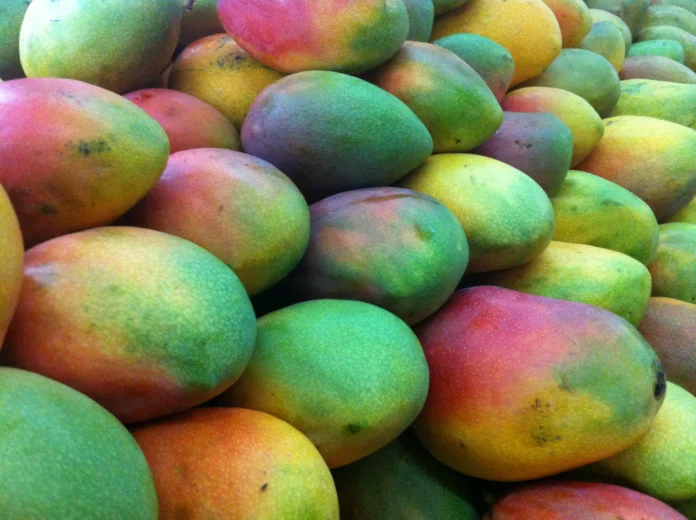
Looking ahead, this exemption is poised to drive a noticeable surge in import volumes over the coming months, mirroring patterns observed in previous similar initiatives. As supply increases, retail prices for these fruits are expected to moderate significantly, potentially dropping by double-digit percentages in the short term, making them more accessible to a broader range of households. Consumers, especially those in lower-income brackets who feel the pinch of food inflation most acutely, stand to benefit the most, with greater opportunities to incorporate these nutrient-rich options into their meals. Bananas, packed with potassium and quick energy, could see heightened everyday consumption, while pineapples, rich in vitamins and enzymes that aid digestion, might become a more frequent choice for health-conscious shoppers. Mangoes, often viewed as a luxurious treat due to their higher baseline cost, are likely to experience the most dramatic price relief, encouraging wider experimentation in home cooking and dining out. This increased affordability will likely fuel overall demand, leading to higher per-capita consumption rates through the spring and early summer, a period when lighter, hydrating foods gain appeal as temperatures rise.
Beyond immediate price effects, the policy is anticipated to stimulate activity throughout the supply chain, from wholesalers and distributors to retailers and food service providers. Supermarket chains and local grocers, which dominate fruit sales in urban areas, will probably expand their displays and promotional offerings, drawing in more foot traffic and boosting related purchases. The food processing sector, including producers of juices, smoothies, yogurts, and desserts, could also see advantages, as cheaper raw materials enable expanded production or more attractive pricing for finished products. Restaurants and cafes, known for incorporating tropical fruits into menus ranging from fruit platters to innovative fusion dishes, may introduce new seasonal specials, further embedding these items into Korea’s vibrant culinary scene. On a macroeconomic level, this influx of affordable imports will contribute to broader efforts to contain living costs, supporting consumer spending in other areas and providing a buffer against inflationary pressures that have lingered in the food category.
For exporting nations, the reopened exemptions promise a welcome boost in market access during the specified period. Major suppliers of bananas, primarily from Southeast Asian countries with established trade ties to Korea, are expected to ramp up shipments quickly, capitalizing on the duty-free window to secure greater market share. Pineapple exporters, often from Central and South American regions alongside Asian producers, will similarly benefit from reduced barriers, potentially leading to more diversified sourcing and stable supply flows. Mango shipments, sourced from a mix of tropical growers worldwide, could see accelerated growth, reinforcing long-term partnerships. This temporary lift not only encourages immediate volume increases but also strengthens bilateral trade relationships, as reliable demand from Korea incentivizes investments in quality and logistics by overseas partners. In the longer view, consistent policies like this one foster predictability for exporters, who may plan harvests and shipping schedules with greater confidence, ultimately contributing to more resilient global supply networks for these perishable goods.
Considering future trajectories, the outcomes of this exemption period will likely shape government thinking on trade measures for years to come. If the policy succeeds in stabilizing prices without disrupting broader market dynamics, authorities may consider extending the duty-free status beyond June 30, perhaps into the peak summer months when demand for cooling fruits reaches its height. Such an extension would provide continued relief during hotter weather, when consumption naturally spikes and any price surges could exacerbate public discontent over living expenses. Alternatively, strong positive results could pave the way for expanded exemptions to include additional fruits or even a shift toward lower baseline tariffs in future trade negotiations. Given ongoing global challenges, including climate variability affecting production in both exporting and importing regions, South Korea’s reliance on imported tropical fruits is projected to grow steadily, making flexible tariff tools an increasingly vital component of food security strategy. Over the next decade, as urban lifestyles evolve and health trends emphasize diverse, vitamin-rich diets, demand for bananas, pineapples, and mangoes is forecasted to rise further, prompting recurring or permanent adjustments to import duties to keep pace with consumer needs.
Moreover, this initiative underscores a broader evolution in South Korea’s approach to balancing domestic interests with global trade realities. While protecting local farmers remains a priority for temperate crops, the near-total dependence on imports for tropical varieties allows for more aggressive price-management interventions without significant domestic backlash. As weather patterns become less predictable and production costs climb worldwide, similar tariff exemptions are likely to become a standard tool in the policy toolkit, deployed periodically to shield consumers from volatility. In the coming years, advancements in logistics, such as improved cold-chain technologies and faster shipping routes, will amplify the impact of these measures, enabling even quicker responses to supply disruptions. Ultimately, the current reopening of exemptions not only addresses immediate concerns but also sets a precedent for proactive, consumer-focused trade policies that could define Korea’s fruit market through the late 2020s and beyond, ensuring that affordable, high-quality tropical fruits remain within easy reach for millions of households.
This period of tariff relief, though limited in duration, carries substantial promise for enhancing food accessibility and economic stability in the months ahead. By facilitating abundant supplies of bananas, pineapples, and mangoes, the government is fostering an environment where nutritional choices become easier and more enjoyable, contributing to overall public well-being. As the policy unfolds from mid-February onward, observers will watch closely for signs of sustained price moderation and consumption growth, indicators that will inform whether this temporary measure evolves into a more enduring feature of South Korea’s import landscape. In an era of uncertain global food systems, such forward-thinking adjustments highlight the value of adaptability, offering a model for how targeted trade policies can deliver tangible benefits to everyday lives while navigating complex international dynamics.