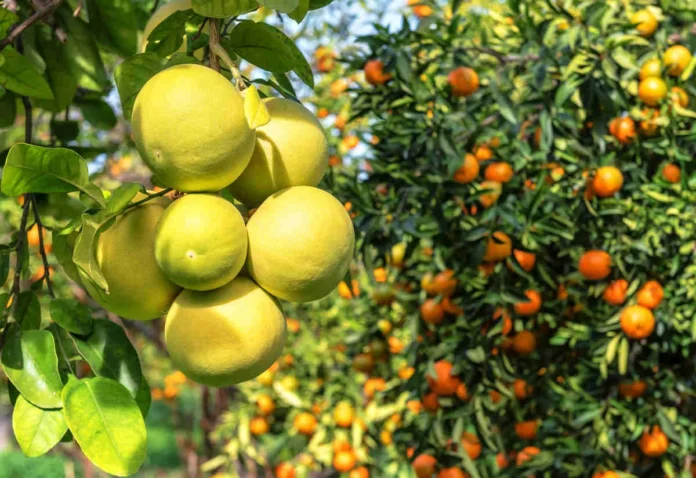
Arabfields, Leonor Fernández de Córdoba, Correspondent, Spain — Spain has emerged as a prominent leader in the production of organic tropical fruits, particularly avocados and mangoes, with the sector demonstrating substantial growth throughout the early months of 2026. Recent estimates indicate that approximately 10,300 hectares out of the country’s total 35,000 hectares dedicated to avocado and mango cultivation now operate under certified organic practices. This development reflects a marked acceleration in the transition toward sustainable farming methods, driven by robust consumer preferences for products perceived as healthier and environmentally responsible. The shift has occurred against a backdrop of steadily increasing total planted areas, as producers respond to favorable market conditions and improved climatic support following periods of variable weather.
The current organic share represents nearly one-third of the combined avocado and mango acreage, a significant milestone when compared to earlier figures from the beginning of the century, when organic cultivation barely exceeded a few hundred hectares. This expansion aligns with broader trends in Spain’s agricultural landscape, where subtropical and tropical crops have gained prominence in regions such as Andalusia, the Valencian Community, and the Canary Islands. Andalusia continues to dominate production, benefiting from its favorable microclimates along the Costa Tropical and Axarquía zones, which support high-quality yields with reduced reliance on intensive chemical inputs in organic systems.
In the 2025/2026 campaign, total production of avocados and mangoes exceeded 35,000 hectares, with avocado cultivation alone approaching or surpassing previous records in planted area. Industry reports from late 2025 projected avocado output potentially exceeding 100,000 tons for the season, bolstered by abundant rainfall that enhanced flowering and fruit set after several challenging years marked by drought. Mango production similarly rebounded, with estimates for 2025 reaching around 40,000 tons, predominantly from the Axarquía region, which accounts for the vast majority of national acreage. These volumes underscore Spain’s strengthening position as Europe’s primary supplier of fresh subtropical fruits, capturing a substantial portion of intra-EU trade while meeting stringent quality and sustainability standards.
The surge in organic adoption stems from multiple converging factors. Consumer demand across Europe has increasingly favored certified organic tropical fruits, prompted by heightened awareness of health benefits, reduced pesticide residues, and lower environmental impact. Premium pricing for organic avocados and mangoes, often 20 to 25 percent higher than conventional equivalents, has incentivized growers to convert conventional orchards. Technological advancements in precision irrigation, drought-tolerant cultivars, and soil management have facilitated this transition, enabling producers to maintain yields while complying with organic certification requirements. In Andalusia, where the majority of subtropical cultivation occurs, investments in controlled-atmosphere storage and efficient water use have further supported the shift, particularly as water scarcity concerns persist in southern Spain.
Looking ahead, projections based on current trajectories suggest continued robust growth in the organic segment. Estimates from sector organizations indicate that Spain could achieve approximately 24,000 hectares of organic avocado and mango production by 2030, implying an average annual growth rate of around 15 percent in organic area over the coming years. This forecast assumes sustained consumer momentum, supportive European Union policies promoting sustainable agriculture, and ongoing improvements in cultivation techniques. Should these trends persist, the organic proportion of total subtropical acreage may approach or exceed 50 percent within the next decade, positioning Spain as a model for organic transition in Mediterranean and subtropical horticulture.
Broader market dynamics reinforce this optimistic outlook. The Spanish tropical fruits market, encompassing avocados, mangoes, and related crops, was valued at approximately 1.47 billion USD in 2026, with projections indicating steady expansion toward 1.66 billion USD by 2031 at a compound annual growth rate of roughly 2.4 percent. While overall market growth remains moderate, the organic segment is expected to outpace conventional production due to premiumization trends and retailer commitments to sustainable sourcing. Regions such as Andalusia are anticipated to exhibit the fastest regional expansion, driven by innovations in irrigation technology and resilient varieties that address climate variability.
Spain’s advancements in organic tropical fruit production also contribute to national agricultural objectives, aligning with European goals for increased organic farmland and reduced environmental footprints. The country’s leadership in organic olives, citrus, and now subtropical crops highlights its capacity to balance productivity with ecological considerations. As new plantings mature and conversion processes accelerate, the sector is poised to deliver higher volumes of certified organic avocados and mangoes to domestic and international markets, enhancing Spain’s reputation for quality and sustainability.
The rapid increase in organic tropical fruit cultivation in Spain during 2026 marks a pivotal phase in the evolution of its subtropical agriculture. With organic hectares now constituting a substantial portion of total production, and forward-looking estimates pointing to further significant expansion, the sector stands ready to meet rising global demand for sustainable, high-value fruits while adapting to evolving climatic and economic realities.