Arabfields, Naïla Mokhtari, Special Economic Correspondent, São Paulo, Brazil — As 2026 unfolds, Peru’s agricultural authorities and economic observers anticipate that a relatively weak El Niño phenomenon will exert only a modest influence on the nation’s vital fruit production sector, offering a contrast to the more disruptive events of previous years while still prompting careful preparation across key growing regions. This outlook emerges from detailed assessments conducted earlier in the year, which project that the weather pattern, although potentially extending through December, will remain limited in intensity and thus spare the broader economy from significant setbacks. In particular, the Central Reserve Bank of Peru has forecasted a minimal contraction in gross domestic product of just 0.1 percent attributable to this El Niño episode, a figure that stands in stark relief against the 1.1 percent decline recorded during the strong event of 2023. Such restrained economic pressure underscores the resilience that Peruvian fruit exporters have cultivated through years of experience with similar climatic variations, enabling the sector to maintain steady output levels even as localized adjustments become necessary.
The anticipated weak El Niño is expected to manifest primarily along the coastal areas, with the northern provinces of Tumbes, Piura, Lambayeque, and La Libertad facing the most noticeable shifts in temperature and precipitation patterns. Warmer conditions, especially during critical growth phases, could subtly alter flowering and fruit-setting cycles for several tree crops that rely on a precise accumulation of cooler hours to achieve optimal yields. Nevertheless, the overall projection points to continuity rather than disruption, as producers leverage advanced cultivation techniques refined over time to counteract these mild deviations. For instance, the blueberry industry has already transitioned toward newer varieties engineered for greater tolerance to elevated temperatures, a strategic move that positions the crop to sustain its impressive expansion trajectory into the latter half of the decade. Industry analysts project that blueberry volumes for the 2026-2027 export season will dip by no more than a marginal percentage compared with recent peaks, provided that pruning schedules are optimized to align with the extended but subdued weather influence.
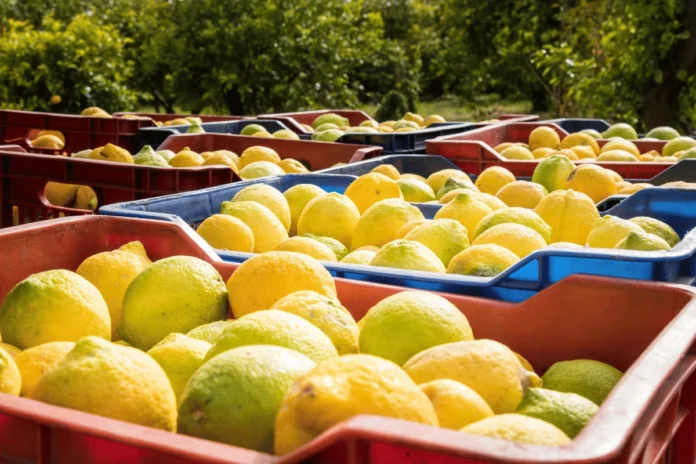
Turning to other prominent fruit categories, projections grounded in the latest meteorological and economic data indicate targeted vulnerabilities that remain manageable within the broader context of a weak event. Lime production, for example, may encounter reduced yields during the second half of 2026, when approximately 40 percent of the annual harvest typically occurs, due to warmer August temperatures that could accelerate maturation or stress developing fruit. Similarly, mango and grape harvests scheduled for the middle of the year are foreseen to experience slight calendar shifts or modest volume adjustments, yet these changes are unlikely to derail the strong export momentum that has characterized Peruvian supplies in global markets. Organic banana plantations, situated in flood-prone zones, represent another area of cautious monitoring, where excess moisture from the phenomenon might necessitate reinforced drainage and protective measures to preserve quality and quantity. Across these segments, the consensus remains optimistic, with forward-looking estimates suggesting that total fruit export revenues for 2026 could still achieve growth rates in the low single digits, reflecting sustained demand from international buyers who value Peru’s consistent quality standards.
Delving deeper into the adaptive strategies that have become standard practice among leading Peruvian producers reveals a sophisticated approach to climate variability that further bolsters confidence in the 2026 outlook. Having navigated the impacts of earlier coastal El Niño occurrences, many operations have invested in precision agriculture tools, including sensor-driven irrigation systems and microclimate management protocols, which allow for real-time responses to fluctuating conditions. This preparedness is particularly evident in the citrus category, where integrated pest management and soil enhancement programs are expected to mitigate any secondary effects from warmer spells, thereby supporting stable production volumes projected to hover near historical averages through the end of the year. Grapes, too, benefit from ongoing varietal research that emphasizes heat-resistant strains, ensuring that the mid-year harvest window experiences only minimal compression rather than outright losses. Such innovations not only safeguard current seasons but also lay the groundwork for even greater stability in subsequent years, as the sector anticipates a gradual normalization of weather patterns following the current mild episode.
Looking ahead with forecasts derived directly from the prevailing data, the fruit industry appears poised for a period of measured recovery and expansion once the El Niño influence wanes by late 2026. Economic models indicate that the agricultural component of gross domestic product will register only a fractional slowdown in the final quarters, paving the way for accelerated growth in 2027 as cooler conditions return and enable full realization of flowering potential across tree crops. Blueberry exports, already a cornerstone of Peru’s fresh produce portfolio, are anticipated to rebound robustly in the post-El Niño phase, potentially surpassing previous records as global retailers continue to prioritize reliable Southern Hemisphere supplies during their off-seasons. For avocados and mangoes, the long-term projection envisions sustained upward trends in planted hectares, driven by international market demand and supported by the minimal disruptions foreseen for 2026, which will allow producers to focus resources on quality enhancements rather than crisis response. Citrus fruits, including limes, are similarly expected to maintain their competitive edge in European and North American markets, with any temporary harvest adjustments offset by carryover stocks and diversified planting schedules that spread risk across multiple regions.
The broader implications of this weak El Niño extend beyond immediate production figures to encompass supply chain dynamics and international trade relationships that have been carefully nurtured over decades. With the phenomenon classified as weak and potentially moderating further rather than intensifying, Peruvian exporters can approach contractual commitments with greater assurance, minimizing the risk of shortages that might otherwise prompt buyers to seek alternative origins. This stability is projected to reinforce Peru’s reputation as a dependable supplier, particularly for premium categories such as organic bananas and specialty grapes, where quality consistency commands premium pricing. Furthermore, the limited duration and scope of the event suggest that ancillary sectors, including packaging, logistics, and cold-chain infrastructure, will experience only negligible interruptions, thereby preserving employment levels and fostering continued investment inflows into the fruit-growing provinces. As the year progresses toward its conclusion, ongoing monitoring by relevant authorities will refine these predictions, yet the foundational data already point to an outcome that favors resilience over retreat.
In synthesizing these elements, it becomes evident that Peru’s fruit sector enters the latter months of 2026 with a tempered yet confident perspective, one that acknowledges climatic nuances without permitting them to overshadow the industry’s underlying strengths. The modest 0.1 percent GDP contraction forecast, coupled with crop-specific adaptations and forward projections of steady export performance, collectively paint a picture of continuity amid variability. By emphasizing proactive management and leveraging historical lessons from stronger events, producers are well-positioned not merely to weather the current conditions but to emerge with enhanced capabilities that will support ambitious growth targets in the years beyond 2026. This balanced approach ensures that the nation’s abundant orchards and vineyards continue to deliver exceptional produce to discerning markets worldwide, securing Peru’s place as a leader in global fresh fruit trade even as environmental patterns evolve.