Russia’s Wheat Belt Divided by Climate: Stavropol Thrives, Rostov Wilts
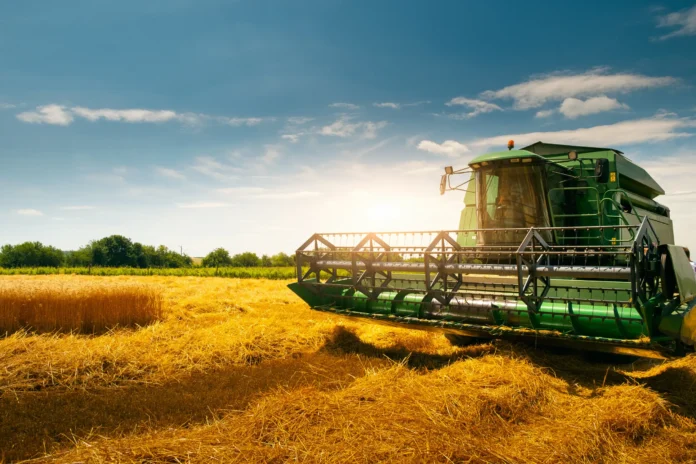
Two of Russia’s major grain-producing regions are experiencing vastly different seasons in 2025. While Stavropol is on track for a record harvest, its neighbor Rostov is enduring a second consecutive year of drought, significantly impacting wheat output.
This contrast within the world’s largest wheat exporter could still result in a stable overall supply, with Stavropol potentially surpassing Rostov as the country’s top wheat-producing region.
Drought in Rostov Raises Alarm
In Rostov, the harvest season begins this month under challenging conditions. Governor Yuri Slyusar has warned that the region’s wheat yield could fall by 20% from last year’s 10.1 million tonnes—the lowest since 2015. He has declared an agricultural state of emergency in 10 districts to expedite state aid for farmers.
Although spring frosts were less severe than usual, a prolonged lack of rain has become the primary concern. May’s limited precipitation failed to replenish soil moisture, leaving crops stressed.
“This is another tough year for us. Since last autumn, the drought has been relentless. The wheat is stunted. It barely survived the frost, and now the drought is finishing it off,” said Maxim Zolotaryov, an agronomist at the Luch farm in Rostov’s Chertkov district.
Chertkov has been particularly hard-hit, with yields plummeting by 61% last year to just 1.7 metric tonnes per hectare—less than half the average in the United States. Zolotaryov points to short, withered wheat plants in dry fields, noting that they should be far taller at this stage of the season.
Despite experimenting with other crops, most farmers have stuck with wheat due to its strong export demand.
Stavropol Poised for Record Wheat Harvest
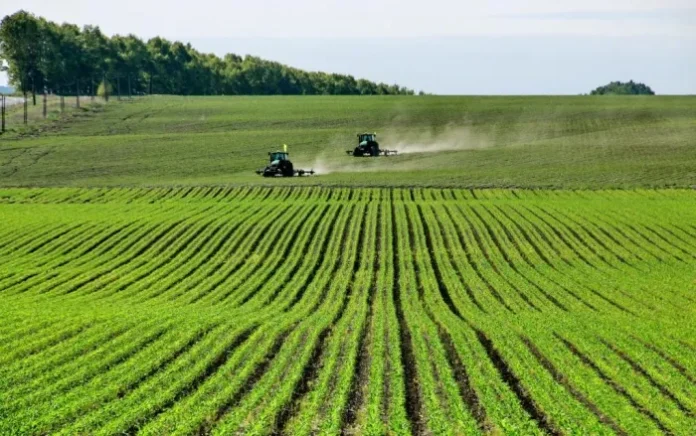
In sharp contrast, Stavropol, located just south of Rostov, has enjoyed favorable weather conditions. Rainfall is up 30% since the beginning of the year, paving the way for what experts predict will be a record harvest.
These conditions bolster Russia’s overall grain forecast. The government expects total grain production to reach 135 million tonnes this year, up 4% from 2024. Wheat alone is projected at 90 million tonnes.
“We anticipate a record-breaking harvest in Stavropol, which is likely to become Russia’s top wheat-producing region,” said Dmitry Rylko, head of the agricultural consultancy IKAR.
To overtake Rostov, Stavropol would need to exceed last year’s 7.8 million tonnes and produce over 8 million tonnes of wheat, according to Reuters estimates. Local officials credit part of the rainfall increase to cloud seeding operations using silver iodide.
Broader Trends in Russia’s Grain Landscape
Krasnodar, another key wheat region, produced 9.9 million tonnes last year. Governor Veniamin Kondratyev had hoped to match that figure in 2025, but dry conditions in parts of the region are casting doubt on that goal.
Meanwhile, northern areas of Russia are also increasing production as the climate warms. The Perm region, near the Urals, saw wheat output jump 30% in 2024. Fertilizer supply to northern regions has tripled in the past decade, according to producer Uralchem.
Deputy Agriculture Minister Andrei Razin noted earlier this year that Russia’s average temperature is projected to rise by 1.5°C between 1976 and 2030. This warming trend is opening up previously uncultivated northern and eastern territories for agriculture.
Russia’s long-term strategy appears to hinge on sustaining yields in the south while expanding cultivation into new regions.
Financial Pressures and Equipment Shortages
Beyond weather, Russian farmers are grappling with financial and logistical challenges. Interest rates are at their highest since the early 2000s, making loans for equipment and operations significantly more expensive.
“With the central bank rate so high, loans have become unaffordable. Every farmer now has to carefully weigh the cost and feasibility of buying new machinery,” said Alexei Shantaliy, an agricultural advisor in Chertkov.
Rising input costs—especially for fertilizers and fuel—are also squeezing farmers. Cutting back on these essentials often leads to reduced yields.
“We’re trying to minimize expenses just to break even,” said Alexander Plakhov, head of the Luch farm.
Weather-related stress has also shortened planting and harvesting windows, increasing the need for reliable equipment. But many farms rely on aging machinery that frequently breaks down due to a lack of spare parts—exacerbated by sanctions limiting access to Western technology.
While some have trialed alternative crops, most continue to plant wheat due to its secure export market, despite the mounting pressures from climate and economic conditions.