Arabfields, Leonor Fernández de Córdoba, Correspondent, Spain — In late January 2026, Storm Kristin barreled across the Iberian Peninsula, delivering a brutal combination of torrential rain, flooding, and wind gusts that exceeded 150 km/h in some areas. The storm’s ferocity struck at the worst possible moment for southern Spain’s agricultural sector, which supplies a substantial share of Europe’s fresh berries and winter vegetables. The damage to greenhouses, polytunnels, irrigation systems, and open fields has left producers facing immediate losses, costly repairs, and a disrupted production calendar that will ripple through markets for months to come.
The provinces of Huelva and Almería, two pillars of Spain’s horticultural export economy, bore the brunt of the storm. Huelva, widely regarded as Europe’s leading strawberry region, was hit just as the 2025-26 campaign was beginning. Early plantings, carefully nurtured under plastic tunnels for the critical December-to-May window, suffered direct hits from high winds and water saturation. Many polytunnels collapsed or were torn open, exposing delicate plants to cold and further rain. Flooding in low-lying fields drowned roots and washed away topsoil, forcing growers to contemplate widespread replanting. The peak production period, which had been projected for March, is now almost certain to shift later into spring, compressing the most profitable phase of the season and reducing overall volumes available during the high-demand early months.
This timing could not have been worse. European retailers and consumers rely heavily on Huelva’s strawberries from January onward, when few competing sources are available in quantity. With the campaign delayed by weeks, the early-season supply gap will likely widen, pushing prices upward and encouraging buyers to turn to alternative origins such as Morocco or even farther-afield suppliers. Profitability, already thin in a sector facing rising input costs and labor challenges, will take a serious hit. Growers will have to absorb the expense of repairing or replacing damaged infrastructure while simultaneously funding new plantings, a double financial burden that may force some smaller operations to scale back or delay investments planned for the next cycle.
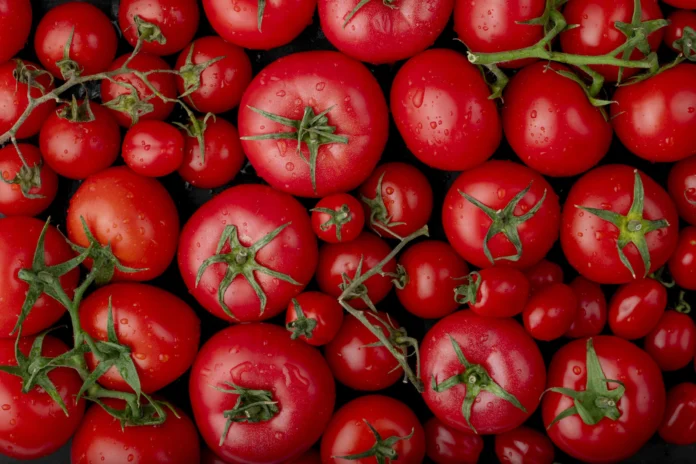
Further east, Almería’s vast sea of plastic greenhouses, often described as Europe’s winter vegetable garden, also sustained heavy damage. The Poniente zone and the municipality of El Ejido, core areas for tomato, pepper, cucumber, zucchini, and aubergine production, recorded some of the strongest gusts. Hundreds of hectares of greenhouse structures were partially or totally destroyed, roofs ripped away, side walls collapsed, and supporting frames bent beyond repair. Irrigation networks were disrupted by flooding and debris, while access roads on many farms became temporarily impassable. Although provincial authorities noted that harvesting continued in most areas despite the adverse conditions, the structural losses will translate into lost production days and reduced yields in the weeks ahead.
Almería’s greenhouse model, while remarkably productive, is inherently vulnerable to extreme wind events. The lightweight plastic coverings and metal frames that allow year-round cultivation under the region’s mild climate offer little resistance to gusts above 120 km/h. When such storms strike, the repair process is labor-intensive and material-dependent, requiring specialized crews to re-stretch plastic, replace frames, and restore ventilation systems. Supply chains for these materials are already stretched during peak season, and the sudden surge in demand following Kristin will almost certainly lead to delays and price inflation for replacement parts. Farms that suffered only partial damage may limp along with makeshift fixes, but efficiency and crop quality will suffer, translating into lower marketable volumes and potential rejection rates at packing stations.
Looking ahead, the combined effect of delayed strawberry output from Huelva and disrupted vegetable flows from Almería points to noticeable supply tightness across Europe during the critical late winter and early spring period. Supermarket shelves that normally feature abundant Spanish produce may show thinner stocks, particularly for strawberries in February and March, and for certain greenhouse vegetables through April. Retail prices are likely to rise in response, with strawberries potentially commanding premiums well above recent averages as buyers compete for limited volumes. Importers in northern Europe may accelerate purchases from alternative suppliers, increasing pressure on Moroccan berry acreage and Egyptian or Turkish vegetable exports, which in turn could drive secondary price increases across the Mediterranean basin.
Recovery timelines will vary by region and by individual farm resources. Larger, better-capitalized operations with insurance coverage and established contractor relationships may return to near-normal output within weeks, while smaller family farms could face months of reduced capacity. The need for replanting in Huelva will delay the buildup of fruit load on plants, meaning that even when peak production finally arrives, total seasonal volume may fall short of initial projections. If spring weather proves unfavorable, with continued rain or temperature swings, secondary disease pressure could further erode yields. In Almería, the cumulative loss of protected growing space will constrain output until damaged structures are fully restored, potentially shifting some harvest peaks later and reducing the region’s ability to meet forward contracts signed months earlier.
The financial fallout will extend beyond direct repair costs. Many producers operate on tight margins and rely on bank financing tied to expected seasonal revenue. Delayed cash flow from lower early sales will strain liquidity, making it harder to cover ongoing expenses such as labor, fertilizers, and energy for climate control systems. Some growers may choose to defer maintenance or expansion plans originally scheduled for the summer off-season, perpetuating a cycle of reduced competitiveness in future years. Regional agricultural organizations have already begun calling for emergency support measures, and while specific government responses remain pending, any aid packages announced in the coming weeks will be crucial in determining how quickly the sector can rebound.
Longer term, Storm Kristin serves as a stark reminder of the exposure faced by southern Spain’s intensive horticultural model. As extreme weather events increase in frequency and intensity, the industry will need to invest in more resilient infrastructure, whether through stronger greenhouse designs, improved drainage systems, or diversified planting calendars. Without such adaptations, future storms risk inflicting even greater disruptions, threatening the region’s dominant position in Europe’s fresh produce supply chain. For now, however, growers are focused on immediate survival: clearing debris, repairing what they can, and preparing new plantings in the hope that the remainder of the season can still salvage a portion of what was lost to Kristin’s fury.
The road to full recovery will be long and costly, but Spain’s fruit and vegetable producers have demonstrated resilience in the face of past adversities. Whether this latest blow permanently alters market dynamics or simply creates a temporary shock remains to be seen, yet one thing is clear: the effects of Storm Kristin will be felt on dinner tables across Europe for months to come.