Arabfields, Adel Serai, Economic Analyst — The global cotton industry enters 2026 with renewed confidence, driven by resilient production forecasts, improving yields in key regions, and a steadily recovering demand from textile markets worldwide. As the 2025/26 marketing year progresses, major producers are positioned to benefit from technological advancements, favorable weather patterns in select areas, and expanding export opportunities. Among the leading cotton-producing nations, China, Brazil, Australia, and Pakistan stand out for their ability to maintain or expand output while navigating global market dynamics, offering a promising landscape for stakeholders throughout the supply chain.
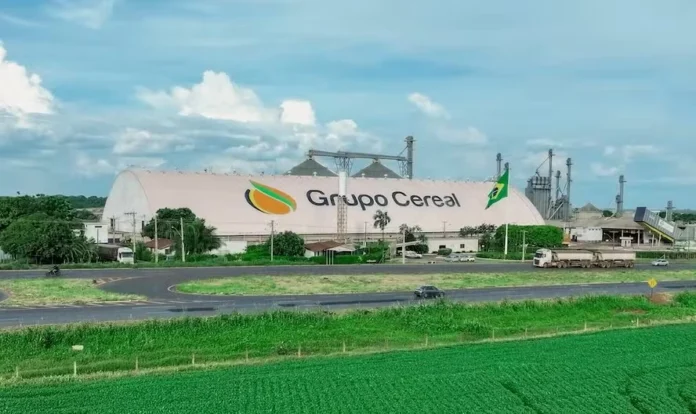
Brazil emerges as one of the brightest success stories heading into 2026, with projections pointing to another potentially record-breaking harvest. The country’s cotton production for the 2025/26 season is forecast to reach approximately 18 million bales, supported by expanded planted area and historically high yields approaching 1,944 kilograms per hectare. This remarkable performance stems from investments in modern farming techniques, improved seed varieties, and efficient irrigation systems that have transformed vast regions into highly productive cotton zones. Brazilian growers have consistently outperformed expectations in recent years, capitalizing on abundant land resources and a favorable climate that minimizes disruptions compared to other regions. As a result, Brazil continues to strengthen its position as a dominant exporter, supplying high-quality fiber to growing textile hubs in Asia and beyond, which in turn bolsters farm incomes and encourages further expansion in the coming seasons.
China, the world’s largest cotton consumer and a pivotal producer, maintains a stable and substantial output that underpins global supply stability in 2026. Forecasts for the 2025/26 season place Chinese production at around 27 million bales, reflecting the country’s vast planted area and ongoing efforts to enhance productivity through state-supported agricultural programs. Despite occasional challenges from weather variability, Chinese cotton farmers benefit from advanced mechanization and research into drought-resistant varieties, ensuring consistent yields that meet both domestic mill needs and reserve stockpiling goals. The nation’s textile industry, the biggest in the world, is projected to consume over 36 million bales annually, yet production levels allow for a balanced approach that supports price stability and reduces import dependency over time. This self-reliance, combined with gradual improvements in sustainable farming practices, positions China for continued leadership, providing a solid foundation for global cotton availability throughout 2026.
Australia demonstrates remarkable efficiency in cotton production, achieving some of the highest yields globally even as overall output adjusts to market signals. For the 2025/26 season, production is estimated at around 4.5 to 5 million bales, with yields exceeding 2,000 kilograms per hectare in irrigated fields thanks to world-class water management and precision agriculture technologies. Australian growers have long prioritized sustainability, employing innovative methods that optimize resource use and minimize environmental impact, which resonates strongly with international buyers seeking responsibly sourced fiber. Although harvested area has moderated in response to competing crops, the focus on quality and reliability ensures that Australian cotton commands premium prices in export markets. Looking ahead to 2026, these strengths are expected to drive steady contributions to global trade, particularly as demand for high-grade, traceable cotton rises among apparel brands committed to ethical sourcing.
Pakistan rounds out this group of key producers with a dependable output that supports both its domestic textile sector and export ambitions. The 2025/26 forecast holds production steady at approximately 5 million bales, a level sustained by resilient farming communities and gradual adoption of better pest management and seed technologies. Pakistani cotton benefits from a long growing tradition and strategic location that facilitates trade with nearby markets, allowing the country to maintain competitiveness despite occasional climatic pressures. Investments in infrastructure and research are yielding incremental gains in productivity, setting the stage for potential growth if rainfall patterns remain supportive through 2026. The integration of cotton into Pakistan’s broader textile export economy, one of the nation’s economic cornerstones, ensures ongoing government and private sector support, fostering an environment where producers can anticipate stable returns and expanded opportunities.
Across these four nations, common threads of optimism weave through the 2026 outlook, including projected global cotton consumption reaching near 118 million bales, a multi-year high that signals recovering demand from apparel and home textile sectors. Technological progress, from genetically improved seeds to data-driven farming, continues to elevate yields and reduce risks, while sustainable practices gain traction in response to buyer preferences. Export volumes are anticipated to remain robust, with total global trade exceeding 43 million bales, providing ample markets for surplus production. Although challenges such as input costs and weather uncertainties persist, the overall trajectory points toward a balanced market where supply growth in dynamic regions like Brazil complements the stability offered by China, Australia, and Pakistan.
In summary, 2026 promises a positive chapter for cotton producers in these leading countries, characterized by record potentials, efficient operations, and alignment with rising global demand. This convergence of factors not only supports farmer prosperity but also ensures a reliable flow of cotton to manufacturers worldwide, reinforcing the fiber’s enduring role in the international economy. As the year unfolds, these nations are well-equipped to capitalize on emerging opportunities, delivering both volume and quality that sustain the industry’s forward momentum.