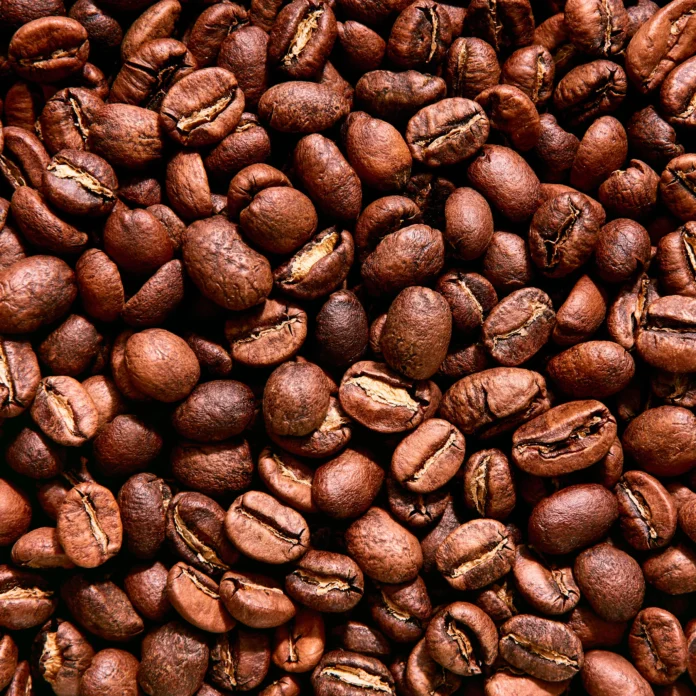
Arabfields, Sophia Daly, Financial Analyst specialized in Agriculture and Futures Markets — Coffee has long been a staple in daily routines across the globe, a comforting ritual that powers mornings and fuels conversations, yet its affordability has often fluctuated, causing occasional grumbles at the checkout counter or cafe register. These minor annoyances, however, are poised to escalate into a profound crisis as climate change reshapes the very foundations of coffee production. Recent analyses from climate scientists paint a stark picture, warning that by 2040, the price of coffee could triple compared to current levels, transforming what is now an accessible luxury for many into a potentially prohibitive expense for households worldwide. This dramatic surge would not stem from fleeting market speculation or temporary supply glitches, but from deep-rooted environmental shifts that are already undermining the delicate conditions required for growing high-quality coffee beans.
The vulnerability of coffee plants to changing weather patterns lies at the heart of this looming challenge. Coffee, particularly the premium Arabica variety favored for its smooth flavor, thrives in specific altitude ranges with consistent rainfall, moderate temperatures, and protection from extreme events. Rising global temperatures, driven by accumulating greenhouse gases, are pushing these ideal growing zones higher up mountainsides, where cooler air persists longer, but suitable land becomes scarcer. In many traditional coffee regions, warmer conditions are fostering the spread of pests and diseases, such as the devastating coffee leaf rust fungus, which has already ravaged crops in Central America and parts of Africa in recent decades. Erratic rainfall patterns, with prolonged droughts interspersed by intense downpours, further stress the plants, reducing yields and diminishing bean quality. These factors compound over time, gradually eroding the productive capacity of farms that have sustained generations of growers.
Major coffee-producing nations are already feeling the strain, and the trajectory suggests worsening conditions ahead. Brazil, the world’s largest supplier of Arabica beans, has endured repeated droughts and unseasonal frosts in recent years, events made more likely and severe by climate shifts, leading to significant harvest shortfalls that ripple through global markets. Vietnam, dominant in robusta production, the bolder and more caffeine-rich variety often used in blends and instant coffee, faces similar threats from extended dry spells and shifting monsoon patterns. Countries like Colombia, Ethiopia, and Indonesia, which together account for a substantial share of global output, are grappling with soil degradation, water scarcity, and increased storm intensity. As these disruptions become more frequent, the overall supply of coffee beans tightens, while demand continues to climb with growing populations, expanding middle classes in emerging economies, and unwavering consumer habits in established markets. This imbalance sets the stage for sustained price escalation, culminating in the projected tripling by 2040.
The economic ramifications of such a price increase extend far beyond the individual consumer’s wallet. For millions in developing countries, coffee farming represents a primary livelihood, often practiced on small family plots with limited resources for adaptation. As yields decline and input costs rise, many farmers may find it unsustainable to continue, leading to abandoned plantations and rural migration that strains urban areas. In consuming nations, higher prices could disproportionately affect lower-income households, where coffee expenditures form a noticeable part of discretionary spending, potentially prompting shifts toward cheaper alternatives or reduced consumption altogether. The broader industry, encompassing roasters, distributors, and cafes, would face squeezed margins, forcing difficult decisions on pricing, portion sizes, or product quality. Specialty coffee shops, which pride themselves on single-origin beans and artisanal brewing, might struggle most, as customers balk at steeply elevated costs for their favorite lattes or pour-overs.
Looking further into the future, the outlook grows even more concerning if current trends persist unchecked. By mid-century, some projections indicate that up to half of the land currently suitable for coffee cultivation could become marginal or entirely unproductive, pushing production toward more resilient but less desirable robusta beans, which could alter the taste profile of everyday coffee for billions. New growing areas might emerge in higher latitudes or elevations, such as parts of East Africa or even experimental zones in temperate regions, but these transitions require decades of investment in infrastructure, soil preparation, and varietal testing. Without aggressive mitigation of emissions and proactive adaptation measures, the tripled prices anticipated by 2040 could mark merely an intermediate point on a steeper upward curve, with potential for even greater scarcity and cost in subsequent decades.
Efforts to avert the worst outcomes are underway, though their scale and speed remain critical questions. Breeders are developing climate-resilient coffee varieties through crossbreeding and genetic selection, aiming for plants that withstand higher temperatures, resist diseases, and maintain flavor integrity. Agroforestry practices, integrating coffee with shade trees and diverse crops, help regulate microclimates, conserve water, and enhance biodiversity, offering a buffer against extremes. International initiatives promote sustainable certification, fair trade premiums, and reforestation to support farmers in adopting these methods. Technological innovations, from precision irrigation to drone monitoring of crop health, hold promise for optimizing limited resources. Yet, these solutions demand substantial funding, policy support, and global cooperation, areas where progress has been uneven amid competing priorities.
Consumer behavior also plays a pivotal role in shaping the trajectory. Growing awareness of coffee’s environmental footprint has spurred demand for ethically sourced and sustainably grown beans, encouraging companies to invest in long-term supply chain resilience. Choices favoring shade-grown or regenerative coffees can incentivize better practices, while reduced waste and mindful consumption ease overall pressure on resources. Still, the sheer scale of the challenge underscores that individual actions alone cannot reverse the momentum; systemic changes in energy use, agriculture, and emissions reduction are essential to preserve viable coffee production.
In the coming years, the morning brew that so many cherish may serve as a tangible reminder of broader planetary shifts. The projected tripling of coffee prices by 2040 encapsulates the convergence of ecological limits and human dependence, illustrating how disruptions in one corner of the world reverberate through daily life everywhere. As temperatures climb and weather grows more unpredictable, the industry stands at a crossroads, where proactive stewardship could soften the blow, preserving access to this beloved beverage for future generations. Failing that, coffee risks evolving from an everyday essential into a rare indulgence, its rich aroma and invigorating warmth increasingly confined to those able to afford the escalating cost. The path forward demands urgency, innovation, and collective resolve to ensure that the future of coffee remains as vibrant as its past.