Arabfields, Adel Serai, Economic Analyst Arabfields — Global prices for coffee and wheat are rising sharply as severe weather continues to disrupt agricultural production across South America, creating new challenges for farmers, exporters, food manufacturers and consumers. Economists warn that the combination of climate stress and tighter supplies is likely to keep food markets under pressure in the coming months.
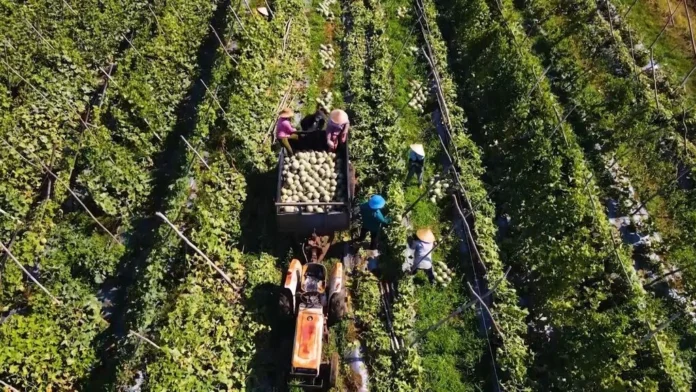
Across major farming regions, prolonged droughts, record-breaking heat and irregular rainfall have significantly reduced harvests. Coffee growers have reported lower yields after repeated periods of extreme temperatures damaged flowering cycles, while wheat producers have struggled with dry soils and unpredictable weather that affected crop development from planting through harvest.
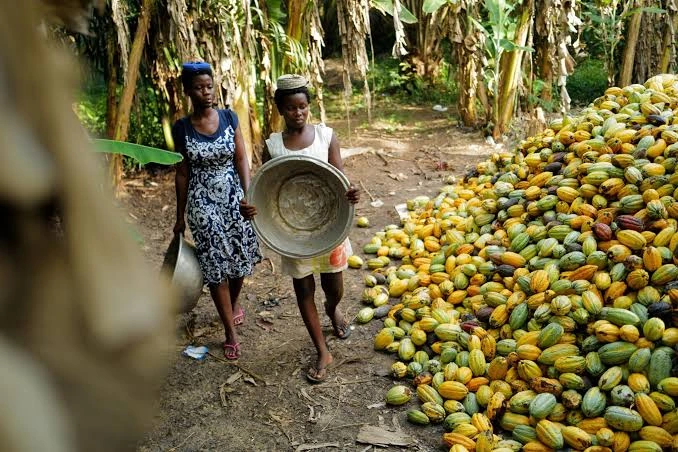
For many farming families, the situation has become increasingly difficult. Producers have invested more in irrigation, fertilizers and crop protection, yet many say those efforts have not been enough to offset the losses caused by changing weather patterns. Some communities are also facing declining incomes as smaller harvests limit export opportunities and reduce local employment during the agricultural season.
The impact is spreading well beyond farms. Food processors and retailers are paying higher prices for raw materials, costs that are gradually being passed on to consumers. Coffee shops, bakeries and packaged food manufacturers are adjusting pricing strategies while trying to avoid significant declines in customer demand. Household budgets are feeling additional strain as food inflation remains elevated in several markets.
Recent agricultural data from 2026 indicate that global coffee prices have increased by roughly 24 percent compared with the previous year, while wheat prices are trading around 17 percent higher following weaker harvest expectations. Analysts estimate that weather-related disruptions have affected millions of hectares of farmland across South America, reducing export volumes and tightening supplies in international markets.
Climate specialists believe these developments are part of a broader long-term trend rather than isolated events. Rising average temperatures and more frequent extreme weather episodes are expected to increase production risks for several important crops, encouraging producers to invest in more resilient farming methods and drought-resistant crop varieties.
Looking ahead, market forecasts suggest that coffee and wheat prices could remain above historical averages if weather conditions fail to improve during upcoming growing seasons. Agricultural researchers expect stronger investment in climate adaptation, improved irrigation systems and advanced forecasting technologies, but they caution that these measures will take time to produce measurable results. Until then, businesses throughout the food supply chain are likely to continue managing higher costs, while consumers may experience continued price volatility for everyday products.