Arabfields, Meriem Senouci, Correspondent, Hanoï, Vietnam — Vietnamese food exporters are entering a new phase in their trade relationship with China as authorities and businesses accelerate the adoption of digital traceability systems designed to simplify customs checks and improve food safety transparency.
The move comes at a critical moment for Vietnam’s agricultural sector, which has experienced rapid growth over the past two years. Bilateral agricultural trade between Vietnam and China surpassed $20 billion in 2025, while Vietnamese exports to China climbed more than 40 percent year over year, according to official trade figures released earlier this year.
Inside packing facilities in southern Vietnam, exporters are now spending longer hours updating planting area codes, digitizing shipping records and training workers to comply with stricter Chinese import standards. For many businesses, the changes are no longer optional.
China is preparing to enforce tighter food safety and traceability requirements under new customs regulations that take effect in 2026. Vietnamese exporters fear that even small errors in packaging declarations or production data could delay shipments at border checkpoints.
“We cannot rely on old paperwork methods anymore,” said a fruit exporter based in Gia Lai province, who described the transition as expensive but necessary to remain competitive in the Chinese market. “Chinese buyers now want to know exactly where products are grown, how they are processed and whether every stage can be verified digitally.”
Vietnamese authorities have responded by expanding national traceability initiatives. Government agencies are piloting systems that allow agricultural products to be tracked through QR codes connected to centralized databases. Durian exports are among the first sectors being used to test the system because of their strong demand in China.
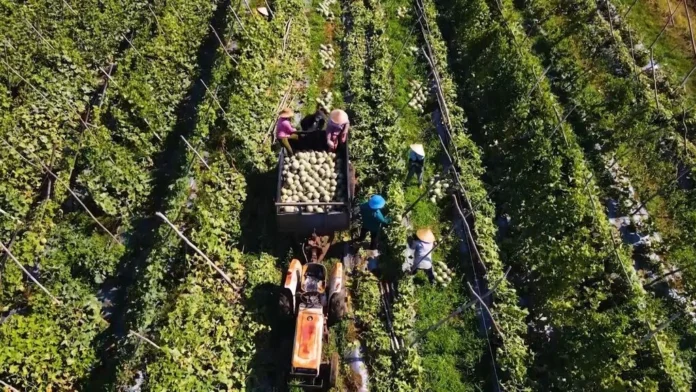
The pressure to modernize is also changing rural production habits. Farmers who once depended on handwritten logs are increasingly adopting digital cultivation diaries and electronic tracking tools. Export cooperatives are hiring technical staff to help growers meet documentation standards required by Chinese customs authorities.
Economists say the transition could strengthen Vietnam’s long term position in Asia’s food supply chain. China remains Vietnam’s largest agricultural export market, and analysts expect demand for tropical fruit, seafood and processed food products to continue rising over the next several years.
Fresh jackfruit exports are expected to become another major growth driver after China approved official imports beginning in mid 2026. Industry observers believe additional Vietnamese products could gain formal access if exporters continue improving traceability compliance.
Vietnam’s agricultural exports already exceeded $45 billion during the first eight months of 2025, reflecting growing international demand despite global economic uncertainty. Officials now believe digital traceability could become one of the country’s most valuable trade tools during the next decade.
Trade specialists forecast that by 2030, most Vietnamese agricultural shipments bound for China will likely operate through integrated digital verification systems linked directly to customs platforms. Businesses that fail to modernize may struggle to keep access to premium export channels, while companies investing early in traceability infrastructure are expected to secure stronger contracts and faster customs clearance.
Analysts also predict the next stage of development will focus on cold chain logistics, blockchain based shipment tracking and real time monitoring systems capable of reducing food fraud and improving consumer confidence across Asia’s rapidly expanding food trade market.