Arabfields, Meriem Senouci, Correspondent, Hanoï, Vietnam — Vietnam has officially been recognised by the International Cocoa Organisation as a producer of Fine Flavour Cocoa, becoming the second Asian country to receive this prestigious status, and this milestone marks a pivotal moment in the nation’s agricultural evolution. This acknowledgment elevates Vietnamese cocoa beans into an elite category prized not for sheer volume, but for their distinctive and complex flavour profiles that appeal to discerning chocolatiers and premium markets worldwide. Fine Flavour Cocoa represents only about ten to fifteen percent of global production, yet it commands significantly higher prices due to its nuanced aromas, balanced acidity, and unique notes that shine in craft chocolate, dark varieties, and high-end products. For Vietnam, this recognition is more than a badge of honour, it is a strategic opportunity to reposition itself in the international cocoa landscape, shifting from a marginal player to one focused on quality, sustainability, and value addition.
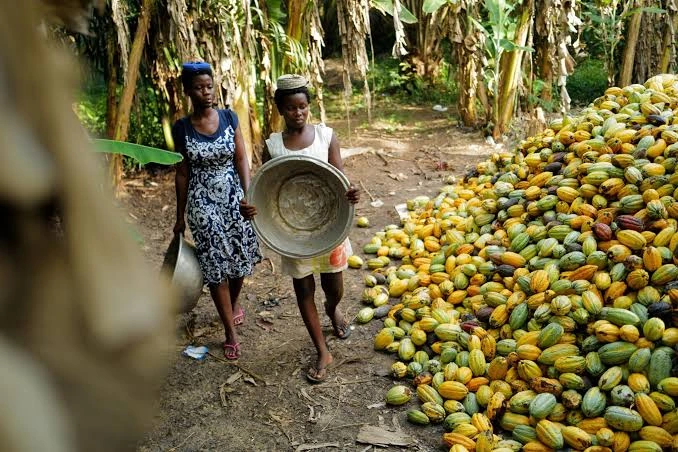
The journey of cocoa in Vietnam has been one of quiet persistence rather than explosive growth. Introduced decades ago as a complementary crop in various regions, it long remained overshadowed by more dominant exports like coffee, rice, and fruits. Grown primarily in small-scale plantations, often intercropped with other trees, cocoa struggled to gain prominence in national agricultural policies. However, recent shifts toward green growth, carbon emission reduction, and deeper global integration have brought this humble bean into sharper focus. Experts highlight that Vietnamese cocoa possesses inherent qualities that align perfectly with fine flavour standards, including rich taste profiles, natural acidity in harmonious balance, and fruity undertones that evoke the diverse terroirs of the country. These attributes arise from a fortunate blend of genetic varieties, favourable ecological conditions, and traditional farming practices that emphasise harmony with nature.
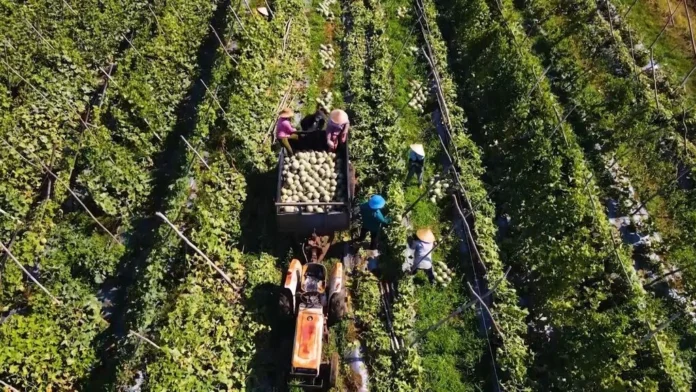
What sets Vietnam apart is its potential to develop cocoa through models that embody modern sustainable agriculture. Agroforestry and intercropping systems, where cocoa trees thrive beneath the canopy of coffee plants, fruit orchards, or native forests, offer multiple benefits. These approaches enhance soil health by increasing organic matter, provide natural shade that protects against harsh weather, promote biodiversity, and contribute to carbon sequestration, all while generating additional income for farmers without depleting resources. In an era where consumers and regulators increasingly demand low-carbon and regenerative practices, Vietnam’s natural inclination toward such methods positions it advantageously. Rather than chasing the bulk cocoa dominance held by West African giants, Vietnam can carve a niche in the premium segment, where traceability, environmental responsibility, and regional storytelling add immense value.
The Central Highlands emerge as the heart of this emerging industry, with Dak Lak province leading the way in both scale and ambition. Blessed with fertile red basalt soils, a stable highland climate ideal for consistent yields, and a wealth of experience in industrial crops, Dak Lak hosts the largest cocoa plantations in the country. Here, cocoa integrates seamlessly into existing agricultural landscapes, growing alongside established crops in ways that mutually benefit the ecosystem. Farmers in the region have formed cooperatives that link production to markets, ensuring more stable outlets and incentives for quality improvement. Yet, these connections remain nascent, mostly centred on supplying raw beans rather than advancing into processing or branding. Recognising this gap, local authorities and stakeholders are crafting comprehensive value-chain strategies that aim to elevate the entire sector, from farm to finished product.
Entrepreneurs and experts alike emphasise that the true potential of Vietnamese cocoa lies beyond exporting dried beans. Deep processing into chocolate bars, powders, butter, and specialised ingredients multiplies economic returns many times over, while allowing the country to narrate its own story on the global stage. A crafted chocolate product can convey the essence of the Central Highlands, the dedication of local farmers, and the sustainable practices that underpin production, transforming a commodity into a cultural ambassador. Businesses in Dak Lak are increasingly investing in this vision, collaborating with cooperatives to build an ecosystem where innovation meets tradition. As one industry leader notes, entering markets as creators of value, rather than mere suppliers of raw materials, represents a profound shift that could redefine Vietnam’s role in the cocoa world.
Looking ahead, the future for Vietnamese fine flavour cocoa appears bright, underpinned by robust global market trends and the country’s unique strengths. Projections indicate that the worldwide cocoa bean market, valued at around seventeen billion dollars in recent years, could surpass thirty-seven billion by the mid-2030s, growing at a steady compound annual rate of over seven percent. Much of this expansion will come from premium categories, including organic, artisanal, and sustainably sourced products, where demand outpaces supply and prices reflect added ethical and quality premiums. With eighty percent of its exports now classified as fine flavour by international standards, Vietnam is well-placed to capture a growing share of this high-value segment. As awareness of its distinctive profiles spreads among international buyers, export volumes and revenues are likely to rise substantially in the coming decade.
Sustainability initiatives, supported by international partners, will further accelerate this trajectory. Projects promoting circular economy principles, such as utilising cocoa by-products for biochar or organic fertilisers, and adopting regenerative techniques, align perfectly with emerging regulations in major markets like Europe. These efforts not only enhance environmental credentials but also open doors to certifications that command even higher premiums. Farmers benefiting from stable off-take agreements and rising bean prices, which have surged in recent years amid global shortages, are motivated to expand plantings and improve practices. In the Central Highlands and southeastern regions, cultivation areas could grow significantly, potentially doubling or tripling current hectares as intercropping models prove economically viable and resilient to climate challenges.
By the early 2030s, Vietnam could emerge as Asia’s leading supplier of fine flavour cocoa, with production scaling to meet demand from craft chocolatiers in Europe, North America, and emerging Asian markets. Domestic processing capacity is expected to flourish, giving rise to Vietnamese-branded chocolates that compete on shelves alongside established names. This development would boost rural economies, create thousands of jobs in processing and tourism-related experiences, and contribute meaningfully to national goals of green growth and net-zero emissions. Challenges remain, including the need for greater investment in post-harvest technology, broader cooperative networks, and marketing expertise to build global brand recognition. However, with the recent ICCO recognition serving as a catalyst, momentum is building.
In essence, Vietnam’s cocoa sector stands at the threshold of a renaissance, where quality trumps quantity, and sustainability drives prosperity. As the world seeks more ethical and flavourful alternatives in its chocolate indulgence, Vietnamese beans, with their fruity elegance and eco-friendly origins, are poised to delight palates and inspire innovation. The red soils of the highlands may soon become synonymous with premium chocolate excellence, proving that thoughtful ambition can turn a niche crop into a global treasure. This path forward promises not only economic gains but also a lasting legacy of harmonious agriculture, where farmers, the environment, and consumers all share in the rewards of a bean that has finally found its moment to shine.