Arabfields, Jamel derbal, Senior Correspondent: Agrifood Innovation & Sustainability, Singapore — The latest projections from the United States Department of Agriculture have adjusted Vietnam’s compound feed demand downward for the 2025-26 marketing year, yet the overall trajectory for the country’s livestock and aquaculture sectors continues to point toward steady expansion over the coming decade. According to the USDA’s freshly released data, total compound feed production in Vietnam is now expected to reach 19.2 million tonnes in 2025-26, a reduction of approximately 500,000 tonnes from earlier forecasts. This trim reflects a combination of slower-than-anticipated recovery in the swine sector, persistently high input costs, and a gradual shift toward more efficient feeding practices across multiple species.
The primary driver behind the lowered estimate lies in the pork industry, which remains the dominant consumer of compound feed in Vietnam. African swine fever, although no longer causing the catastrophic losses seen between 2019 and 2021, continues to cast a long shadow over herd rebuilding efforts. Many small and medium-sized farmers have either exited the sector entirely or moved toward larger, more biosecure commercial operations. This consolidation has improved average feed conversion ratios but has also reduced overall animal numbers in the short term. As a result, swine feed demand, which accounts for roughly half of the country’s total compound feed consumption, has been revised lower by close to 400,000 tonnes compared with previous expectations.
Poultry feed, the second-largest segment, has also seen a modest downward adjustment. Broiler production growth has slowed as producers grapple with elevated costs for corn and soybean meal, both of which are heavily imported. Domestic corn production continues to fall far short of demand, and although Vietnam has diversified its sourcing away from traditional suppliers, global grain price volatility remains a significant headwind. Layer feed demand, however, has proven more resilient, supported by steady domestic consumption of eggs and growing export opportunities for processed egg products.
In contrast to the terrestrial livestock segments, aquaculture feed demand continues to show remarkable strength. Vietnam remains one of the world’s top exporters of pangasius and shrimp, and the government’s ongoing push toward sustainable intensification has encouraged greater use of high-quality commercial feeds. The USDA now projects aquaculture feed production to rise by more than 4% year-on-year in 2025-26, with tra catfish and white-leg shrimp driving the bulk of that increase. This growth helps offset some of the weakness in swine and poultry feed, underscoring the increasingly important role that farmed fish and crustaceans play in Vietnam’s overall animal protein economy.
Looking beyond the immediate horizon, the long-term outlook remains unequivocally positive. Rising household incomes, continued urbanization, and a growing middle class with greater purchasing power are expected to sustain demand for animal protein well into the 2030s. The USDA forecasts that total compound feed production will climb to approximately 24 million tonnes by 2030-31, representing an average annual growth rate of around 3% from current levels. Swine feed is anticipated to reclaim its position as the fastest-growing category once herd repopulation accelerates and biosecurity investments bear fruit. Poultry feed demand will be supported by expanding quick-service restaurant chains and modern retail channels, while aquaculture feed will benefit from both export growth and domestic substitution of captured fisheries.
Several structural changes are already reshaping the feed industry landscape. Large integrators, both domestic conglomerates and multinational players, are expanding their presence through vertical integration, from grandparent stock importation all the way to processed meat and seafood distribution. These companies enjoy economies of scale in raw material procurement and greater bargaining power in an import-dependent market. Smaller feed mills, meanwhile, face mounting pressure to upgrade technology or consolidate, a trend that is gradually concentrating production capacity in fewer hands.
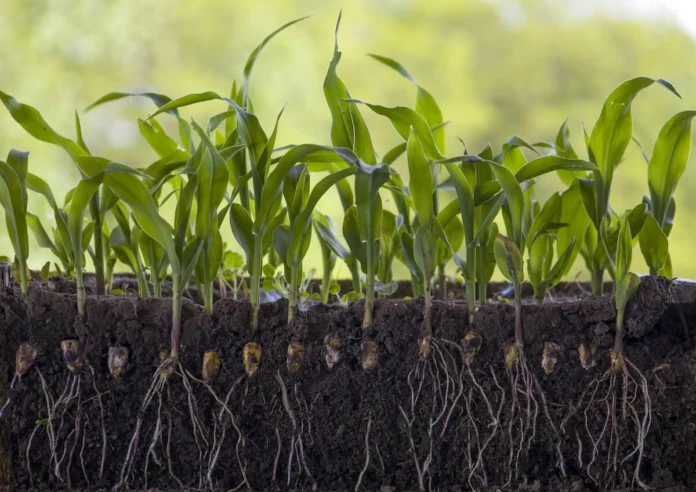
Raw material availability remains the critical bottleneck. Vietnam imports roughly 60% of its corn requirements and more than 80% of its soybean meal, leaving the sector vulnerable to currency fluctuations, trade policy shifts, and weather-related supply shocks abroad. Efforts to expand domestic corn acreage have yielded limited success due to competition for land with higher-value cash crops and the challenges of mechanization on small fragmented plots. Industry voices have renewed calls for targeted government support in the form of improved seed varieties, irrigation infrastructure, and incentives for contract farming arrangements that could gradually reduce import dependence.
Another notable development is the growing emphasis on feed efficiency and sustainability. Regulatory pressure to reduce antibiotic use in livestock production, combined with international buyer requirements for responsibly sourced aquaculture products, has accelerated the adoption of functional additives, enzymes, and alternative protein sources. While soybean meal remains the dominant protein component, ingredients such as distillers dried grains with solubles, canola meal, and increasingly insect meal and single-cell proteins are finding their way into commercial formulations. These shifts not only improve environmental footprints but also help mitigate some of the cost pressures associated with traditional ingredients.
In summary, although near-term feed demand in Vietnam has been trimmed due to lingering swine sector challenges and cost-related caution among producers, the fundamental growth drivers remain firmly in place. A wealthier and more urban population, ongoing modernization of animal production systems, and Vietnam’s entrenched position in global seafood markets all point to a robust expansion of compound feed consumption over the medium to long term. For feed manufacturers and raw material suppliers willing to navigate the cyclical challenges, the country continues to offer one of Southeast Asia’s most compelling growth stories in the animal nutrition space.