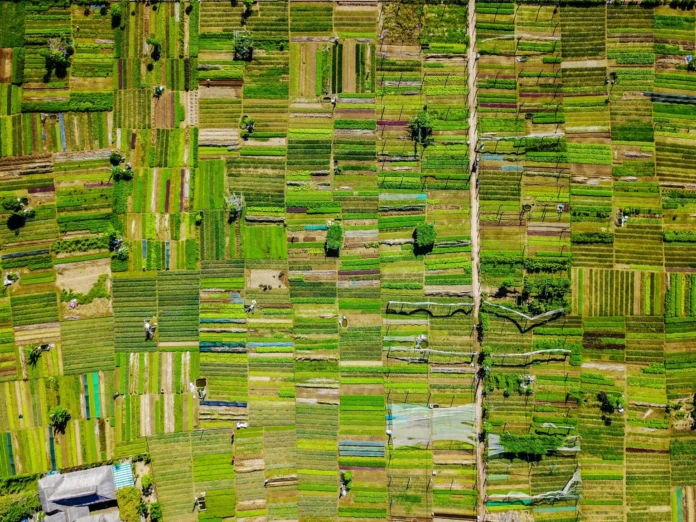
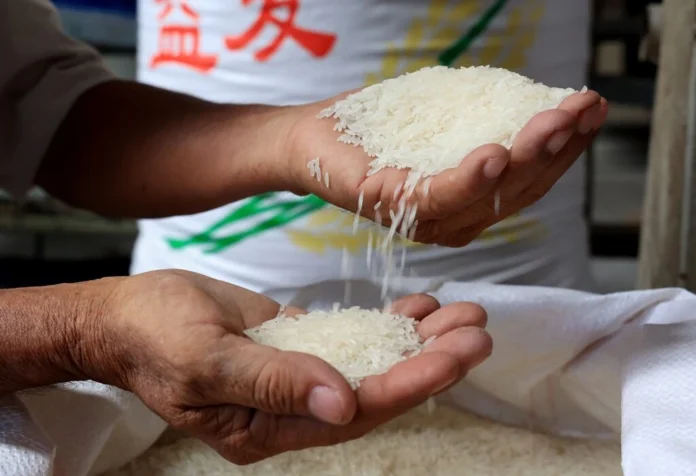
Arabfields, Said Ali, Specialist in Agricultural Policy and Economic Innovations in Asia — In an era defined by rapid urbanization and escalating environmental challenges, the global agricultural landscape is poised for a transformative decade ahead, as outlined in the latest OECD-FAO Agricultural Outlook for 2025-2034. This comprehensive forecast paints a picture of robust growth in the consumption of tropical fruits and fish, projected to surge by 31 percent over the next ten years, largely propelled by the burgeoning urban populations in Southeast Asia. Yet, this optimistic trajectory is overshadowed by a stark reality, one where 47 percent of worldwide agricultural losses are attributed to climate-induced disruptions, casting long shadows over the yields of vegetables and fruits. As cities swell and climates shift, the interplay between these forces will not only reshape food systems but also redefine how nations adapt to ensure food security, sustainability, and economic resilience in the years to come.
The drivers behind the anticipated boom in tropical fruit and fish consumption are deeply rooted in demographic and economic shifts, particularly in Southeast Asia, a region that exemplifies the broader global trend toward urban living. By 2034, urban dwellers in countries like Indonesia, Vietnam, the Philippines, and Thailand are expected to account for over 60 percent of the population, up from around 50 percent today, fostering a demand for convenient, nutrient-dense foods that align with fast-paced lifestyles. Tropical fruits such as mangoes, bananas, pineapples, and papayas, prized for their year-round availability and health benefits, will see heightened integration into urban diets, from street-side smoothies to exported value-added products like dried snacks and juices. This surge, contributing roughly half of the 31 percent overall increase, will be mirrored in fish consumption, where freshwater and marine species like tilapia, pangasius, and tuna become staples in affordable, protein-rich meals for the region’s growing middle class. As incomes rise and supply chains modernize, per capita intake could climb by 15 to 20 percent in these markets, bolstering trade volumes and positioning Southeast Asia as a pivotal hub for global exports.
Looking further into the future, this consumption uptick heralds a cascade of opportunities for innovation and economic upliftment, but only if proactive measures are embraced. Imagine a 2030s where vertical farming towers in Jakarta and Ho Chi Minh City cultivate hybrid tropical fruit varieties engineered for urban rooftops, reducing transport emissions and ensuring fresher produce for millions. Aquaculture advancements, including sustainable pond systems integrated with smart sensors for real-time water quality monitoring, could double fish output in the Mekong Delta by 2032, mitigating overfishing pressures in the South China Sea and creating jobs for displaced rural workers. Trade agreements, building on frameworks like the Regional Comprehensive Economic Partnership, might streamline cross-border flows, allowing Thai dragon fruit to flood Singaporean supermarkets overnight or Vietnamese shrimp to grace European plates with minimal carbon footprint. Economically, this could inject billions into local economies, with Southeast Asian agricultural exports potentially reaching $200 billion annually by 2034, fostering a virtuous cycle of investment in processing facilities and cold-chain logistics that further accelerates consumption growth.
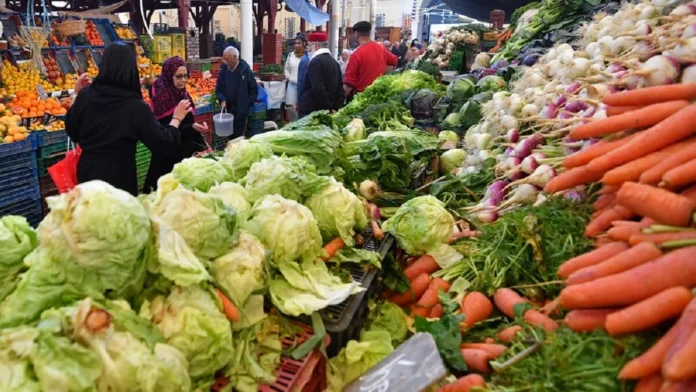
However, the shadow of climate change looms large, with its fingerprints already evident in the 47 percent of global agricultural losses it inflicts, a figure that disproportionately hammers vegetable and fruit production through erratic weather patterns, prolonged droughts, and intensified pest outbreaks. In vulnerable regions like sub-Saharan Africa and parts of South Asia, where smallholder farmers dominate, rising temperatures could slash tomato and leafy green yields by up to 25 percent by 2030, exacerbating malnutrition and inflating prices for urban consumers worldwide. Southeast Asia itself is not immune, as monsoons grow more unpredictable, threatening banana plantations in the Philippines and mango orchards in India, potentially offsetting some of the consumption gains if supply chains falter. These losses, often manifesting as post-harvest spoilage or outright crop failures, underscore a precarious balance, where the very urbanization driving demand also amplifies vulnerability by concentrating populations in flood-prone coastal cities.
Peering into the mid-2030s, the ramifications of these climate threats could pivot global food dynamics toward either catastrophe or calculated resilience, depending on collective action. Without intervention, projections suggest that by 2040, fruit and vegetable shortfalls could drive international prices 30 to 40 percent higher, sparking food riots in megacities from Manila to Mumbai and straining humanitarian aid networks already stretched thin by migration waves. Yet, this dystopian scenario need not prevail; instead, envision a future where climate-smart agriculture becomes the norm, with gene-edited crops resistant to heat stress boosting yields by 20 percent across tropical belts, and expansive reforestation efforts in the Amazon and Congo basins stabilizing rainfall patterns that benefit distant orchards. International collaborations, such as expanded carbon credit schemes under a post-Paris framework, could incentivize farmers to adopt drip irrigation and cover cropping, slashing loss rates to below 30 percent and preserving the nutritional backbone of diets worldwide. In Southeast Asia, hybrid public-private initiatives might transform urban green spaces into community orchards, blending local production with imported fish to create hyper-local food ecosystems that buffer against global shocks.
The broader implications for global markets extend beyond mere supply and demand, touching on equity, health, and geopolitical stability in profound ways. As tropical fruits and fish proliferate on plates, they promise to combat micronutrient deficiencies afflicting over two billion people today, particularly in urban slums where access to diverse foods remains uneven. A 31 percent consumption rise could translate to millions fewer cases of anemia and stunting among children, provided affordability keeps pace through subsidies and fair-trade certifications that empower small-scale producers. Conversely, unchecked climate losses risk widening inequalities, as wealthier nations hoard resilient supplies while developing economies grapple with export bans during shortages, echoing the 2008 food crisis but amplified by today’s interconnected trade webs. Geopolitically, control over fish stocks in contested waters like the East China Sea could ignite tensions, yet it also opens doors for diplomacy through joint sustainable fisheries pacts that foster peace dividends.
To steer toward the brighter horizon, policymakers, agribusiness leaders, and communities must converge on multifaceted strategies that harmonize growth with guardianship. Investing in digital twins for predictive climate modeling could preempt losses, allowing farmers to pivot plantings weeks in advance, while blockchain-tracked supply chains ensure transparency from farm to fork, curbing waste and building consumer trust. Education campaigns in urban centers might cultivate a cultural shift toward plant-based proteins from tropical sources, easing pressure on overexploited fisheries and aligning with net-zero pledges. By 2034, if these threads weave together, the world could witness not just a 31 percent consumption leap but a resilient food paradigm where abundance thrives amid adversity, nourishing a planet of ten billion with equity and foresight.
In essence, the OECD-FAO Outlook serves as a clarion call, illuminating pathways where urbanization’s hunger meets climate’s fury, yet yields a harvest of possibility. The next decade will test our ingenuity, but with bold foresight, the global table can overflow with the vibrant hues of tropical bounty and the silvery gleam of sustainable seas, even as storms rage.