Arabfields, Mira Sabah, Special Economic Correspondent, Nairobi, Kenya — Oman is steadily advancing its aquaculture sector as part of a broader strategy to enhance food security and diversify its economy away from traditional oil dependence. The Shinas shrimp farming complex in Al Batinah North Governorate exemplifies this push, with significant progress reported in recent developments. Developed by Singapore-based Blue Aqua International under the leadership of Group Executive Chairman Dr. Farshad Shishehchian, and supported by local investors such as Bahwan Services and Trading LLC along with Muscat Investment House, the project spans 22 hectares and integrates a shrimp farm, hatchery, and broodstock center focused primarily on whiteleg shrimp production. Advanced technologies are at the core of this initiative, including controlled farming environments, efficient water usage, sophisticated treatment systems to minimize waste, stringent biosecurity measures to prevent diseases, and comprehensive environmental protections to ensure sustainable yields.
The facility is on track to become fully operational by February 2026, building on announcements made in 2023. Once complete, it aims to produce 1,800 metric tonnes of shrimp annually, addressing both domestic consumption needs and growing regional demand. This output is expected to create numerous jobs across hatchery operations, grow-out phases, processing, transportation, and technical support, thereby boosting employment in the Al Batinah North region. Furthermore, the project aligns with Blue Aqua’s expansion plans, which include a separate 5,000 metric tonne land-based Rainbow Trout farm utilizing Recirculating Aquaculture Systems for minimal water consumption, slated for completion in 2027. These integrated efforts are designed to form a robust aquaculture value chain, incorporating aquafeed production alongside shrimp and trout farming.
Looking ahead, the momentum in Oman’s aquaculture sector suggests promising growth trajectories. With the Shinas project reaching full capacity by early 2026, annual shrimp production could stabilize at or exceed the targeted 1,800 tonnes, provided biosecurity and environmental safeguards continue to mitigate common industry risks like disease outbreaks. By the end of the decade, combined outputs from shrimp and upcoming trout facilities may contribute significantly to Oman’s seafood self-sufficiency, potentially reducing import reliance and enhancing export potential to neighboring Gulf markets. Government-backed initiatives for economic diversification are likely to accelerate further investments, leading to expanded aquaculture zones and technological innovations that prioritize sustainability. Projections indicate that Oman’s aquaculture output could double or triple within the next ten years if current trends persist, fostering greater food security amid global challenges like climate variability and population growth.
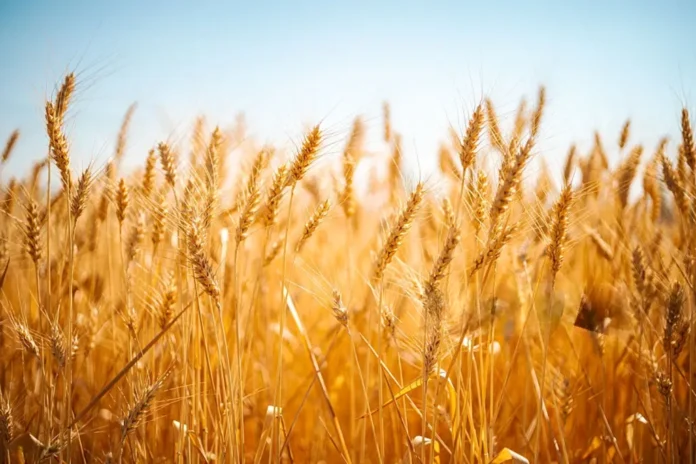
In a broader global context of agricultural sustainability, contrasts emerge with traditional land-based crop production systems reliant on chemical inputs. In Canada, large-scale wheat farming, particularly in the Prairies where the majority of production occurs, heavily depends on pesticides to maintain high yields. Herbicides, especially glyphosate, are widely applied for weed control, often as pre-harvest desiccants to facilitate even drying, while fungicides address diseases like Fusarium head blight, and insecticides target pests where necessary. Statistics show that a significant portion of Canadian crop farms apply these products, with herbicides being the most common due to the vast monoculture fields that encourage weed proliferation. Similarly, lentil production on a commercial scale in provinces like Saskatchewan involves intensive pesticide use, given the crop’s poor competitiveness against weeds. Herbicides such as glyphosate are employed pre-seed, in-crop, or pre-harvest to manage resistant species like kochia, supplemented by fungicides for diseases including ascochyta blight and anthracnose, and occasional insecticides for threats like grasshoppers or cutworms. These practices, while boosting productivity in large operations, highlight ongoing debates over residue levels and environmental impacts, underscoring the appeal of controlled aquaculture models like Oman’s that emphasize minimal chemical interventions and closed-loop systems.
As Oman continues to build on projects like Shinas, the sector’s emphasis on technology-driven, low-waste farming positions it as a model for sustainable protein production in arid regions. Future expansions could incorporate even more innovative approaches, such as integrated multi-species farming or renewable energy integration, further solidifying aquaculture’s role in the nation’s long-term food and economic resilience.