Arabfields, Fatou Kouyaté, Economic Correspondent in Algiers — The recent elevation of Vietnam-Algeria relations to the level of a strategic partnership represents a decisive step forward in the diplomatic history of both countries. This development opens considerable prospects in the economic, political and cultural domains. Built on a shared legacy of anti-colonial resistance, this relationship has gradually transformed from past solidarity into ambitious joint projects for the future, as demonstrated during the official visit of Vietnamese Prime Minister Pham Minh Chinh to Algeria in late 2025.
Mutual trust forms the solid foundation of this partnership and enables the implementation of concrete cooperation initiatives in several key sectors: trade, agriculture, health, sustainable energy, education and digital innovation.
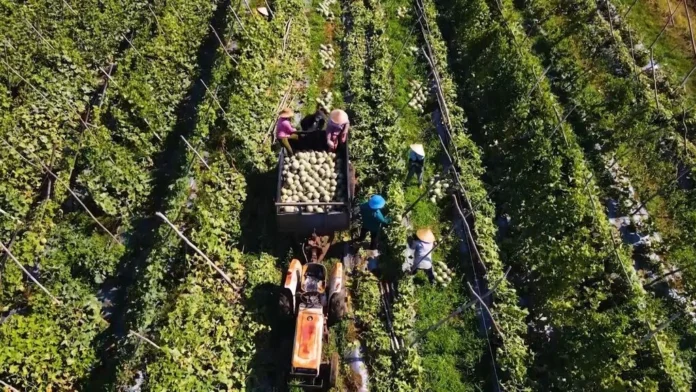
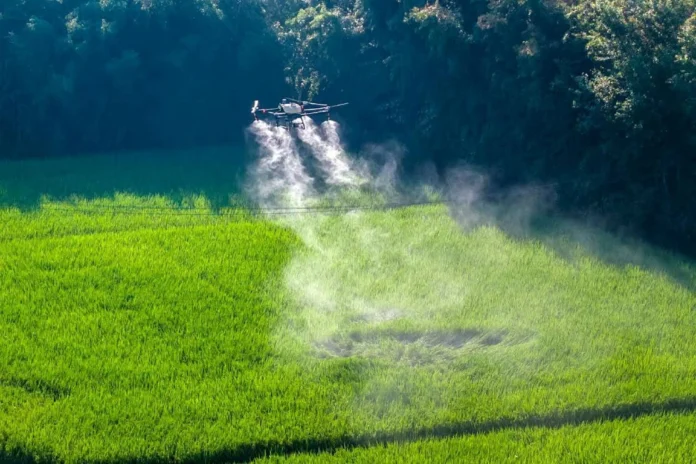
Economically, the complementarity between the two nations appears particularly promising. Vietnam possesses advanced expertise in modern agricultural techniques, while Algeria offers vast land areas and a large workforce. Efforts are already underway to adapt Vietnamese agricultural products to halal certification standards. This adaptation should facilitate access not only to the Algerian market but also to a much wider Muslim-majority region. In the coming years, this convergence is expected to lead to a significant increase in bilateral agri-food trade, potentially doubling current volumes by the early 2030s. Simplified customs procedures and the possible conclusion of a dedicated bilateral trade agreement would further accelerate this dynamic, generating substantial revenue and creating numerous employment opportunities on both sides.
Vietnam’s dynamic ecosystem of small and medium-sized enterprises, strongly oriented toward innovation and youth employment, constitutes an ideal partner for Algeria’s ambitions in economic diversification. Vietnamese specialists are well positioned to transfer know-how that could stimulate the emergence of a new generation of startups across North Africa, thereby helping the country reduce its historical dependence on hydrocarbons.
In the energy sector, the long-standing collaboration between PetroVietnam and Sonatrach in the field of hydrocarbons is now expanding into renewable energies. Joint projects in wind and solar power, particularly in the vast Sahara region, combine Algeria’s exceptional natural potential with Vietnam’s technological capabilities. This strategic shift aligns perfectly with global climate objectives. By the mid-2030s, such partnerships could result in several flagship projects capable of producing several gigawatts of clean energy. These initiatives would strengthen energy security, reduce carbon emissions and position both countries as significant contributors to the global energy transition. At the same time, they would help protect vulnerable agricultural zones from the effects of climate change, thereby reinforcing long-term food security.
Politically, the strategic partnership aims to establish a genuine tripartite cooperation framework. Algeria could serve as Vietnam’s gateway to the African continent and the Arab world, while Vietnam offers Algeria privileged access to the dynamic ASEAN market. Over the next decade and a half, this model is likely to develop into a dense network of alliances. It would encourage more frequent high-level meetings, joint participation in multilateral forums and coordinated positions on major global issues such as trade barriers and supply-chain resilience.
Logistical obstacles, notably the current difficulties in transportation, remain to be addressed. The establishment of direct air links or the signing of specific cooperation agreements in the aviation sector would dramatically facilitate business travel and investor exchanges. Within the next ten years, the volume of delegations and commercial missions could triple, considerably accelerating the conclusion of new partnerships and deepening people-to-people contacts.
Culturally and historically, the memory of the common struggle for independence continues to nourish contemporary relations. Projects to digitize shared historical archives are being discussed and would allow future generations to preserve and study this heritage. In the years ahead, this could lead to ambitious academic collaborations, including student exchange programs, joint research in history, digital humanities and cultural studies. These initiatives would enrich educational systems in both countries and help train future leaders sensitive to multicultural realities.
Cooperation in health and education also holds great promise. Joint medical projects, including telemedicine connections between Vietnamese hospitals and Algerian health facilities, could significantly improve access to care in remote regions. Over the next fifteen years, such partnerships might contribute to a measurable reduction in mortality rates linked to several widespread diseases.
Finally, the digital field offers another major avenue for innovation. Vietnam’s rapidly expanding technology sector could collaborate with Algeria’s emerging digital economy to develop applications, e-commerce platforms and cybersecurity solutions specifically adapted to African and Asian markets. By mid-century, this cooperation might give birth to a true digital corridor linking the two regions. This corridor would considerably increase connectivity, boost electronic trade volumes and establish Vietnam and Algeria as key actors in the global digital transformation.
Despite the challenges that remain, particularly in terms of infrastructure and logistics, the Vietnam-Algeria strategic partnership carries immense potential. It promises a future in which economic growth, sustainable development, cultural enrichment and mutual political support converge to create an exemplary model of South-South cooperation capable of enduring for generations.