Arabfields, Nadia Fatima Zahra, Arabfields, Yamoussoukro, Ivory Coast — In recent months, the global markets for coffee and cocoa have experienced a sharp reversal, shifting from record highs to significant declines that have sent shockwaves through producing nations, including Togo, where these commodities play a vital role in the national economy and the livelihoods of thousands of farmers. After enjoying elevated prices that boosted export revenues and provided a rare windfall for producers, the Togolese coffee and cocoa sectors now face a daunting challenge as international prices have plummeted, leading to unsold stocks, stalled transactions, and growing anxiety among all participants in the value chain. This downturn has prompted a swift and coordinated response from industry actors, who are coming together to confront the crisis head-on and chart a path toward recovery.
The importance of coffee and cocoa to Togo’s agricultural landscape cannot be overstated, as these crops represent key export products that contribute substantially to foreign exchange earnings and support rural communities across the country. For years, Togolese farmers have cultivated these commodities with dedication, navigating the inherent volatility of global markets, yet the current situation stands out for its severity and suddenness. Reports indicate that approximately 1,500 tons of coffee and cocoa remain unsold, accumulating in warehouses and creating a bottleneck that threatens to deepen financial losses for everyone involved, from smallholder producers to exporters and processors. This buildup of inventory is a direct consequence of the dramatic price drops, which have made it unprofitable for buyers to purchase at previous rates and for sellers to offload their harvests without incurring heavy losses.
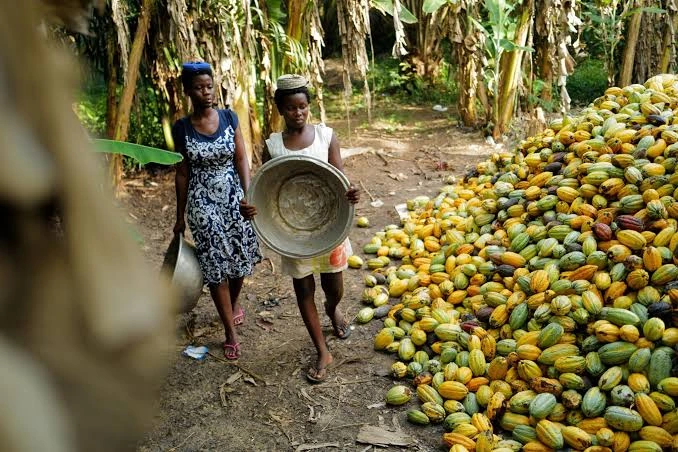
The price collapse has been nothing short of staggering. Cocoa, which once commanded prices as high as 5,525 FCFA per kilogram during the peak period, has now fallen to around 2,240 FCFA, a reduction of more than half in a matter of months. Coffee has suffered an even more precipitous decline, with prices dropping from 600 FCFA per kilogram to as low as 200 FCFA or less in some markets. These figures illustrate the brutal reality facing Togolese producers, many of whom had invested heavily in their crops based on the optimistic outlook provided by the earlier highs. The sudden shift has paralyzed commercial activity, leaving operators with substantial volumes of goods that they cannot move without accepting steep discounts, further eroding their margins and threatening their ability to sustain operations into the next planting season.
To address this escalating crisis, stakeholders in Togo’s coffee and cocoa sectors convened a critical meeting in Lomé on January 28, 2026, organized by the Coordinating Committee for the Coffee and Cocoa Sectors, known as the CCFCC. This gathering brought together a broad spectrum of participants, including producers, buyers, exporters, and processors, all united in their determination to diagnose the root causes of the downturn and formulate practical solutions. The discussions were frank and urgent, reflecting the shared recognition that inaction could lead to prolonged stagnation and irreversible damage to the industry. Participants highlighted how the price volatility has disrupted the entire supply chain, turning what was once a period of relative prosperity into one of uncertainty and hardship.
Industry leaders attribute the current low prices to the aftermath of the previous surge, which was driven by supply shortages in the world’s leading producers, particularly Côte d’Ivoire and Ghana. Those shortages stemmed from a combination of adverse climate effects, such as erratic weather patterns that reduced yields, and structural challenges like the aging of both plantations and the farmers themselves. As production in these major countries faltered, global prices soared, benefiting secondary producers like Togo. However, the subsequent recovery or normalization in those primary markets appears to have flooded the international scene with supply, driving prices downward and catching Togolese stakeholders off guard. This explanation underscores the interconnected nature of global commodity markets, where events in one region can profoundly impact distant producers.
Evidence of the crisis’s impact is clear in export figures. By late January of the previous year, Togo had already exported more than 10,000 tons of cocoa beans, a strong performance that reflected the favorable price environment at the time. In contrast, during the corresponding period this year, exports have slowed dramatically to around 5,000 tons, demonstrating a halving of activity and highlighting the extent to which falling prices have deterred sales and shipments. This slowdown not only reduces immediate revenues but also risks damaging Togo’s reputation as a reliable supplier, potentially leading to lost market share in the long term if the situation persists.
In response to these challenges, the CCFCC has advocated for a collaborative sacrifice across the value chain as a short-term strategy to unlock the impasse. The committee urges producers, buyers, and exporters to accept modest losses in order to clear existing stocks and restore fluidity to the market. By facilitating the movement of unsold inventory, even at reduced prices, participants can prevent further accumulation and create conditions for renewed transactions. This concerted approach, if widely adopted, could pave the way for a gradual stabilization of the sector, allowing commerce to resume and providing breathing room for all involved.
Looking ahead, the future of Togo’s coffee and cocoa industries hinges on the success of these mobilization efforts and broader structural reforms. If stakeholders heed the call for shared concessions and successfully liquidate the current stockpiles in the coming months, exports could rebound significantly, potentially approaching or exceeding previous levels by the end of the 2026 season. This would help restore cash flow to farmers, enabling them to invest in maintenance and prepare for future harvests, while also stabilizing domestic prices at more sustainable levels around the current range. A smoother market could encourage renewed buyer interest, both domestically and internationally, leading to a partial recovery in revenues and mitigating the worst effects of the downturn.
However, the outlook also carries risks if cooperation falters. Without collective action, unsold stocks could continue to grow, exacerbating financial strain on producers and potentially forcing some smaller operators out of business. This could result in reduced planted areas in subsequent seasons, further diminishing Togo’s production capacity and export volumes over the next few years. Moreover, the underlying vulnerabilities exposed by this crisis, such as dependence on raw commodity exports and susceptibility to global supply swings, suggest that prices may remain volatile in the medium term, fluctuating between 2,000 and 4,000 FCFA per kilogram for cocoa and 200 to 500 FCFA for coffee, depending on weather outcomes in major producing regions.
On a more optimistic note, the current mobilization could serve as a catalyst for longer-term improvements. By fostering dialogue among producers, processors, and exporters, Togo’s sector may accelerate investments in value addition, such as local transformation into finished products like chocolate or roasted coffee, which could command higher and more stable prices. Additionally, addressing the aging of plantations through rejuvenation programs and adapting to climate challenges with resilient varieties could enhance yields and reduce future vulnerability. If these steps are prioritized, Togo’s coffee and cocoa output might grow steadily over the next decade, with exports potentially doubling from current levels by 2030, provided global demand continues to rise with population growth and consumer preferences in emerging markets.
The involvement of processors in the recent discussions signals potential for diversification, where a greater share of production is transformed domestically rather than exported raw. This shift could insulate the sector from pure price volatility, creating jobs and adding economic value within Togo. In the years ahead, successful implementation of such strategies might position the country to benefit more robustly from any future price upswings, turning periodic booms into sustained growth rather than temporary relief.
Ultimately, the crisis facing Togo’s coffee and cocoa sectors today is a stark reminder of the perils and opportunities inherent in global agriculture. Through unity and pragmatic action, stakeholders are demonstrating resilience, working not just to weather the storm but to emerge stronger. The path forward will require ongoing commitment, but the foundations laid in recent meetings offer hope that the industry can navigate this downturn and secure a more prosperous future, one where Togolese producers play an enduring role in the world market. As the situation evolves, the collective efforts underway will determine whether this episode becomes a fleeting setback or a turning point toward greater stability and prosperity.