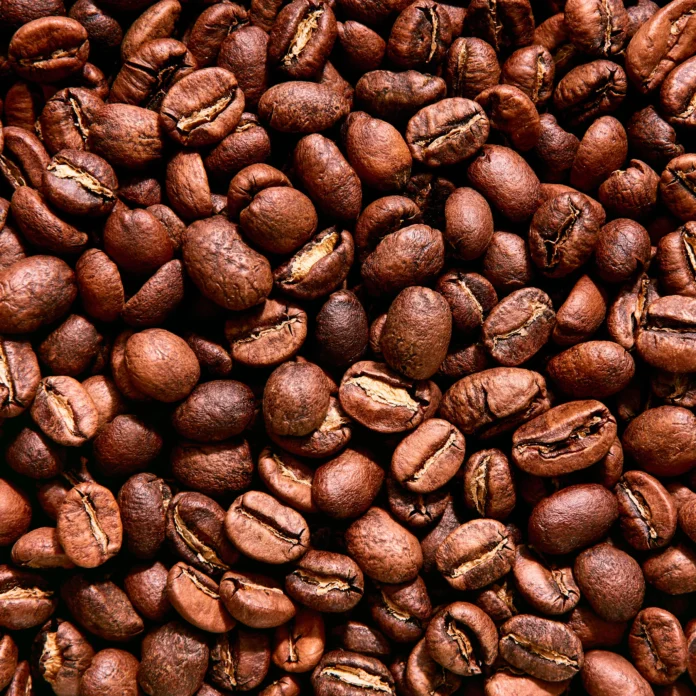
Arabfields, Meriem Senouci, Correspondent, Hanoï, Vietnam — For decades, the coffee Robusta has served as a cornerstone of the global supply chain, accounting for more than 40 percent of worldwide production. Vietnam stands as the dominant force in this segment, consistently delivering the majority of Robusta beans that fuel blends, instant coffees, and espresso-based beverages across international markets. In recent years, the country has undertaken a strategic initiative to develop its own national standard for Robusta coffee. This effort aims to enhance quality consistency, promote sustainability, and elevate the economic value of Vietnamese exports beyond mere volume.
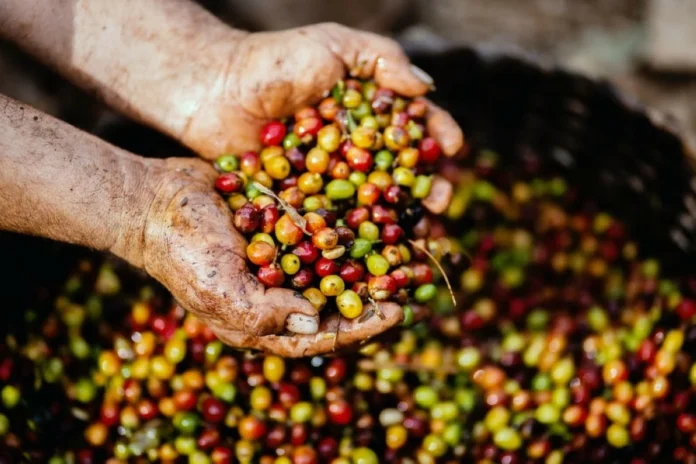
The Vietnamese coffee sector has demonstrated remarkable resilience and growth amid fluctuating global conditions. In the 2025-2026 crop year, total coffee production reached approximately 30.8 million 60-kilogram bags in green bean equivalent, reflecting a roughly 6 percent increase from the previous season. Robusta varieties comprised about 96 percent of this output, underscoring their central role in national agriculture. Yields benefited from favorable weather patterns in key regions, combined with heightened investments by farmers responding to elevated international prices. The Central Highlands provinces, including Dak Lak, Lam Dong, and Gia Lai, accounted for over 92 percent of the planted area and nearly 95 percent of total production, with the cultivated land spanning around 710,000 hectares nationwide.
Export performance in 2025 set unprecedented records. Vietnam shipped approximately 1.59 million tonnes of coffee, generating export revenues exceeding 8.9 billion US dollars. This represented an 18 percent rise in volume and a surge of nearly 59 percent in value compared to the prior year. Robusta exports alone contributed substantially, with average prices remaining elevated due to sustained global demand and supply constraints elsewhere. Deep processing activities, such as the production of instant coffee and value-added products, further amplified these earnings, allowing the sector to capture a larger share of the value chain.
The development of a dedicated Vietnamese standard for Robusta coffee marks a pivotal shift in industry strategy. Rather than relying solely on international benchmarks, authorities and stakeholders have collaborated to create tailored criteria focused on defect limits, moisture content, sensory profiles, and traceability. This initiative seeks to differentiate Vietnamese Robusta in premium segments, where quality perceptions have traditionally favored Arabica. By establishing rigorous yet achievable parameters suited to local growing conditions and processing methods, the standard encourages improvements in farming practices, post-harvest handling, and varietal selection. Early consultations with producers in regions like Buon Ma Thuot have highlighted the potential for voluntary adoption, fostering gradual upgrades without disrupting smallholder operations.
Projections for the coming years indicate continued expansion grounded in current trends. For the 2026-2027 crop year, total production is anticipated to stabilize between 30.5 and 31.5 million bags, with Robusta maintaining its overwhelming dominance at 29.5 to 30.3 million bags. This modest growth of 1.5 to 3 percent stems primarily from productivity enhancements rather than significant area expansion, as farmers prioritize sustainable intensification. Domestic consumption is expected to climb toward 4.9 million bags by 2026, representing about 16 percent of output and reflecting rising local demand for both traditional and specialty preparations.
Global market dynamics support an optimistic outlook for Vietnamese Robusta. As climate variability challenges Arabica cultivation in higher altitudes, Robusta’s resilience to warmer conditions and pests positions it favorably. Industry analysts forecast that Robusta’s share of global coffee exports could exceed 37 percent in the near term, driven by its utility in cost-effective blends and ready-to-drink products. Vietnam, contributing over 40 percent of world Robusta supply, is well-placed to influence pricing and standards. Should favorable weather persist and investments in irrigation and shade-grown systems accelerate, production could sustain annual increments of 5 to 10 percent through the end of the decade, assuming stable input costs and market access.
Sustainability emerges as a critical factor in future trajectories. Vietnamese authorities promote practices that reduce carbon footprints, including optimized fertilizer application and intercropping to diversify monoculture farms. Such measures not only mitigate environmental impacts but also appeal to discerning buyers in Europe and North America, where regulatory frameworks increasingly emphasize traceability and low-emission sourcing. The national Robusta standard incorporates elements aligned with these expectations, potentially facilitating compliance with international sustainability certifications and opening doors to higher-premium contracts.
Economic contributions extend beyond exports. The coffee sector supports hundreds of thousands of smallholder families, many operating plots averaging just over one hectare. Rising revenues from 2025 have enabled reinvestment in replanting programs, improved seedlings, and processing infrastructure. Deep processing capacity has expanded, with instant coffee facilities contributing to value addition and job creation in rural areas. By 2030, projections suggest that sustained quality improvements could push annual export values toward or beyond 10 billion US dollars, even if global prices moderate from their 2025 peaks.
Challenges remain on the horizon. Climate change introduces risks of erratic rainfall and droughts in the Central Highlands, necessitating adaptive strategies such as water-efficient farming and resilient varieties. Global supply recovery in competing origins may exert downward pressure on prices, with some forecasts indicating Robusta futures could settle lower by the close of 2026 if record harvests materialize elsewhere. Nevertheless, Vietnam’s focus on quality differentiation through its emerging standard provides a buffer, transforming potential vulnerabilities into opportunities for brand elevation.
Looking further ahead, the integration of digital traceability tools and sensory evaluation protocols within the national framework could redefine Robusta’s reputation. Currently viewed primarily for its body and affordability, Vietnamese Robusta may gain recognition for nuanced flavor profiles when processed under controlled conditions. This evolution aligns with broader consumer shifts toward diverse coffee experiences, including single-origin offerings and specialty blends that highlight Robusta’s unique attributes.
In summary, Vietnam’s proactive development of a Robusta-specific standard represents a forward-thinking response to evolving market demands. Backed by robust production statistics from 2025 and 2026, and informed by steady growth patterns, the initiative promises to strengthen the country’s position as a global leader. Future forecasts point to sustained output increases, enhanced value capture, and greater sustainability, ensuring that Robusta coffee continues to underpin Vietnam’s agricultural economy while adapting to international expectations. Through these measures, the sector not only secures its foundational role in world supply but also charts a path toward higher recognition and profitability in the decades ahead.