Arabfields, Isabela Valentina Montemayor, Correspondent, Mexico — Guatemala’s banana sector, a cornerstone of the country’s agricultural economy, has come under renewed scrutiny following detailed allegations of worker mistreatment at plantations linked to Chiquita. Industry observers note that these claims highlight persistent challenges in ensuring fair labor practices within global supply chains, even on farms carrying prominent sustainability certifications.
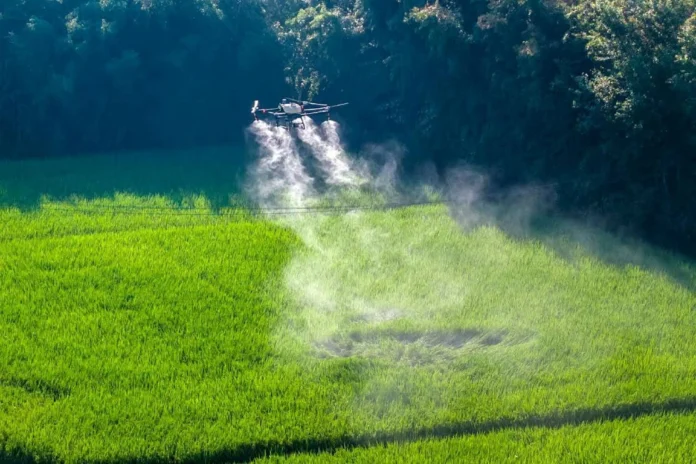
The accusations center on operations in southern Guatemala, where Chiquita sources bananas through a network of suppliers. Reports describe workers enduring extended hours that lead to severe fatigue, wages falling below legal minimums, and insufficient protection during aerial pesticide applications. Freedom of association also appears restricted, limiting workers’ ability to address grievances collectively. These conditions, observers say, fall short of international labor standards and raise questions about the effectiveness of certification programs meant to safeguard both people and the environment.
Local accounts add a human dimension to the findings. Farm employees recount mornings beginning before dawn, followed by shifts that stretch well into the afternoon under intense heat, with limited access to proper safety equipment. One longtime harvester from the region, who asked not to be named for fear of reprisal, explained that exposure to chemical sprays from overhead aircraft often leaves workers with respiratory discomfort and skin irritation, yet protective measures remain inconsistent. Families dependent on these wages frequently struggle to cover basic needs, underscoring the broader socioeconomic impact on rural communities that rely heavily on banana production for employment.
As of 2026, Guatemala’s banana exports have reached approximately 1.8 million metric tons annually, contributing more than $800 million to the national economy. Suppliers tied to major brands such as Chiquita account for roughly 18 percent of this output, according to updated trade figures from the Ministry of Agriculture. Yet labor advocates warn that ongoing violations could erode these gains. Preliminary assessments suggest that if current practices continue unchecked, productivity on affected plantations may decline by up to 12 percent over the next 24 months, driven by higher absenteeism and potential workforce turnover.
Looking ahead, experts anticipate several developments grounded in the documented concerns. Certification bodies are expected to face increased pressure to tighten audit protocols, potentially leading to temporary suspensions for non-compliant farms by late 2027. Market analysts project that sustained reputational damage could prompt European and North American retailers to diversify sourcing, resulting in a modest 7 percent contraction in Guatemala’s banana shipments to key export markets within three years. At the same time, calls for stronger enforcement of minimum-wage laws and aerial-spray buffers may accelerate regulatory reforms at the national level, offering a pathway toward improved conditions if stakeholders act decisively.
Chiquita has chosen not to issue a formal response to the specific allegations. Separately, representatives of the Rainforest Alliance, whose certification appears on the plantations in question, have reiterated that certain pesticides highlighted in the complaints do not meet their approved standards, though they acknowledge the need for continued dialogue with operators.
The situation serves as a reminder of the complexities involved in balancing commercial demands with ethical responsibilities in tropical agriculture. As global consumers demand greater transparency, the banana industry finds itself at a critical juncture where addressing these labor issues could determine not only its social license to operate but also its long-term economic resilience in an increasingly competitive marketplace.