Arabfields, Sophia Daly, Financial Analyst specialized in Agriculture and Futures Markets — The global spice market continued its rapid expansion on May 22, 2026, as rising food demand, higher export activity and changing consumer habits strengthened international trade across Asia, Africa and the Middle East. Industry analysts say the sector is benefiting from growing interest in natural ingredients, premium cuisine and processed food production worldwide.
Prices for several major spices increased during the first half of 2026 after weather disruptions and transportation costs affected supply chains in producing countries. Black pepper, cardamom and turmeric recorded noticeable price fluctuations across global commodity markets, while demand for chili products and blended seasonings continued rising in both retail and industrial sectors.
India remains the world’s largest producer and exporter of spices, with exports expected to surpass 5 billion dollars in value this year. Strong international demand from the United States, Europe and Gulf countries helped Indian exporters expand shipments despite higher logistics costs and tighter quality regulations.
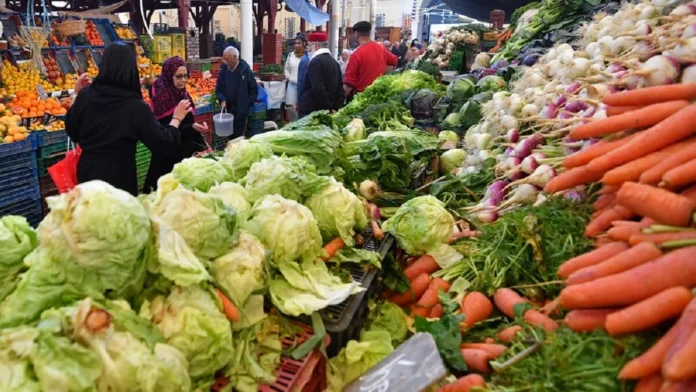
At wholesale spice markets in Kochi and Dubai, traders described stronger activity compared with the same period last year. Buyers are increasingly seeking long-term contracts for premium spices as restaurant chains and food manufacturers attempt to secure stable supplies amid ongoing market uncertainty.
Global spice trade volumes are projected to rise significantly in 2026, supported by expanding food processing industries and growing consumer interest in international cuisine. Analysts estimate that worldwide spice consumption could increase by nearly 4% this year, particularly in urban markets across Asia and Africa.
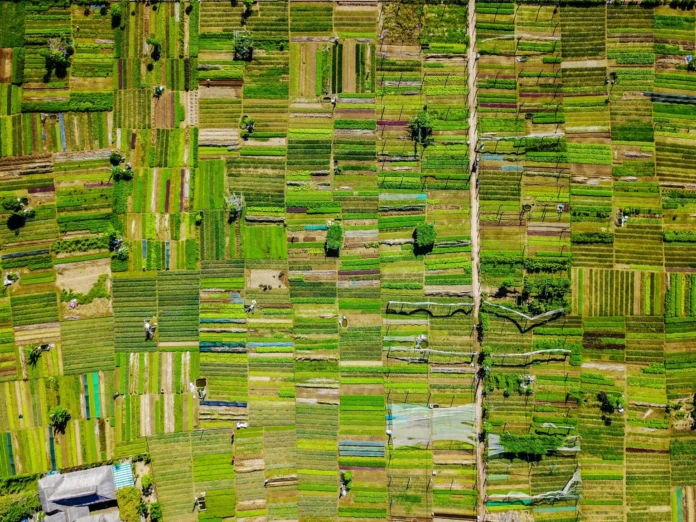
Farmers, however, continue facing major environmental challenges. Irregular rainfall, heat waves and soil degradation affected harvest quality in several producing regions during recent seasons. In parts of Southeast Asia and East Africa, some growers reported lower yields after prolonged dry conditions reduced crop productivity.
The market is also witnessing stronger demand for organic and sustainably sourced spices. Supermarket chains and food companies in Europe and North America are increasing purchases from certified farms as consumers pay closer attention to product origin and environmental standards. Exporters investing in traceability systems and eco-friendly farming practices are gaining easier access to high-value markets.
In the Middle East and North Africa, spice imports continued growing in 2026 due to expanding restaurant industries and rising household consumption. Several distributors reported stronger sales of blended spice products used in ready-made meals and packaged foods.
Economic forecasts suggest the global spice industry could maintain steady growth through 2028 as international food trade expands and culinary trends become more globalized. Analysts believe premium products, health-focused ingredients and processed spice blends will remain among the fastest-growing segments of the market.
For producers and exporters, the coming years are expected to bring both opportunity and pressure. As demand rises worldwide, the spice industry must adapt to climate risks, stricter food safety standards and increasingly competitive international trade conditions.