Arabfields, Maleeka Kassou, East, West & Central Africa Agriculture Correspondent — Cameroon is accelerating its efforts to strengthen the international competitiveness of its agricultural sector through a major investment in certification programs. The initiative reflects the country’s growing commitment to meeting global sustainability standards while expanding access to premium export markets.
Since 2020, nearly 8.9 billion CFA francs have been invested in certifying key agricultural production areas across the country. The funding has supported farming communities in major cocoa and banana producing regions, helping growers improve production practices, strengthen cooperatives and comply with internationally recognized environmental and quality standards. These efforts have become increasingly important as overseas buyers demand greater transparency throughout agricultural supply chains.
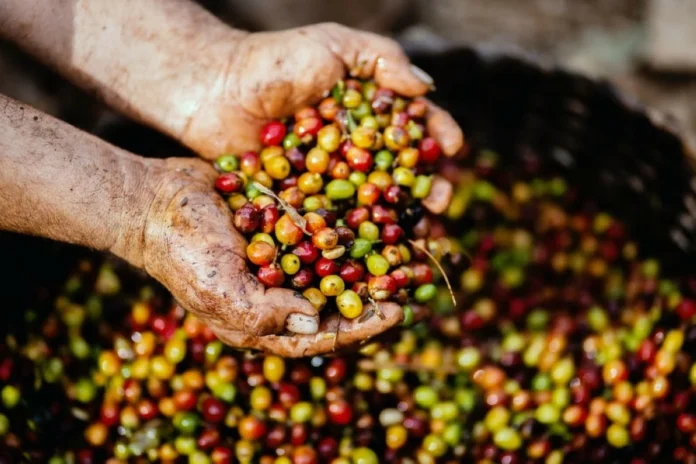
The results are already visible across the sector. In 2026, around 42% of Cameroon’s cocoa production is certified under internationally recognized sustainability programs, while approximately 73% of exported banana volumes comply with global certification requirements. Cocoa has also become the country’s leading export product, surpassing crude oil in export earnings after production reached more than 309,000 tonnes and exports exceeded 73,000 tonnes. Banana exports have climbed to more than 225,000 tonnes, highlighting the growing importance of agriculture in the national economy.
For thousands of farmers, certification represents more than a commercial label. It provides access to better market opportunities, improved farming techniques and stronger long term partnerships with international buyers. Cooperative leaders report that training programs have helped producers improve productivity while protecting forests and adopting more sustainable agricultural practices.
The certification strategy also prepares Cameroon for stricter international trade regulations. European import rules aimed at preventing deforestation are expected to increase compliance requirements for agricultural exporters, making traceability and environmental standards essential for maintaining access to key overseas markets. Authorities and industry organizations believe that expanding certification will help producers remain competitive under the new regulatory framework.
Looking ahead, analysts expect certification to become an even more important driver of Cameroon’s agricultural growth. If investment continues and additional farming regions join the program, certified cocoa and banana production is expected to increase steadily over the next few years. The expansion could strengthen export revenues, attract new international buyers and improve incomes for rural communities, while reinforcing Cameroon’s position as one of Africa’s leading suppliers of sustainably produced agricultural commodities.