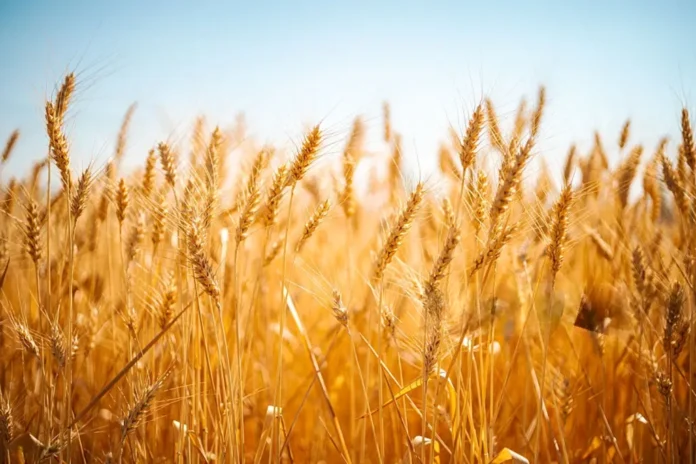
Arabfields, Maleeka Kassou, East, West & Central Africa Agriculture Correspondent — North Africa’s wheat production is making a strong recovery in 2026 after several challenging seasons, supported by improved rainfall, expanded irrigation projects and higher investment in agricultural productivity. Across the region, total wheat output is estimated to have increased by around 15 percent compared with the previous harvest, marking one of the strongest recoveries in recent years.
Algeria has emerged as the region’s standout performer, recording its highest wheat harvest on record. National production is estimated at approximately 3.5 million tonnes, representing a rise of about 16 percent from the previous season. Farmers in several grain-producing provinces reported healthier crops following favorable weather conditions and broader access to modern farming equipment.
“This season has been completely different from last year,” said Ahmed Bensalem, a wheat farmer in western Algeria. “Rain arrived at the right time, and our fields responded much better than expected.”
Egypt also posted another solid harvest, with wheat production reaching an estimated 10.2 million tonnes, roughly 7 percent higher than last season. Morocco and Tunisia benefited from improved growing conditions after periods of drought, helping stabilize cereal supplies across the region.
Agricultural economists say the stronger harvest could ease pressure on wheat imports during the coming marketing year, although North African countries are still expected to remain among the world’s largest grain buyers because of rising domestic demand and population growth.
Government officials and industry analysts believe the 2026 rebound demonstrates that investments in irrigation, improved seed varieties and farm modernization are beginning to deliver measurable results. However, they also caution that production remains highly dependent on rainfall patterns and climate variability, factors that continue to create uncertainty for future harvests.
Looking ahead, regional forecasts suggest wheat production could continue to improve over the next few years if weather conditions remain favorable and current agricultural policies are maintained. Continued investment in water management and climate-resilient farming practices is expected to play a central role in strengthening food security and reducing dependence on international grain markets.