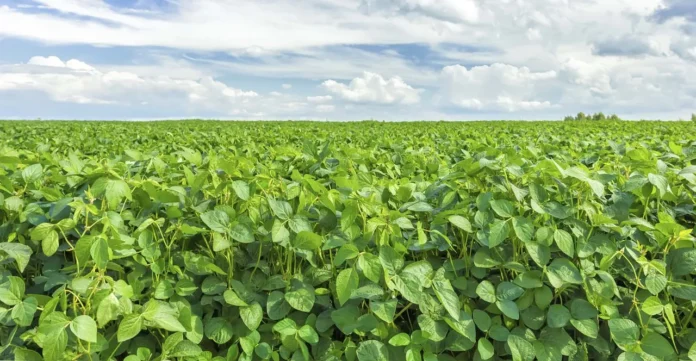
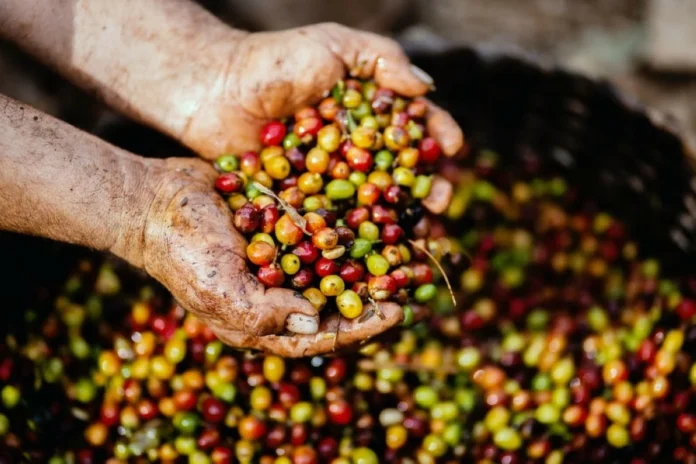
Arabfields, Maleeka Kassou, East, West & Central Africa Agriculture Correspondent — Across several African countries, farmers are watching regional and international trade discussions with growing interest as they hope for easier market access, lower transport costs, and stronger demand for their products. While many agricultural producers have improved harvests in recent seasons, they say trade barriers continue to limit opportunities for expanding sales beyond local markets.
For many growers, agriculture remains more than a business. It is the primary source of income that supports families, pays school fees, and sustains rural communities. In northern Ghana, maize farmer Samuel Owusu says unpredictable border procedures often delay deliveries, reducing profits and increasing uncertainty. Similar concerns are shared by fruit, coffee, and vegetable producers across East and Southern Africa, where exporters continue to face logistical challenges despite ongoing efforts to improve regional trade.
Economic indicators suggest that agriculture remains one of Africa’s most important sectors in 2026. The industry accounts for roughly 15% of the continent’s gross domestic product and provides employment for nearly half of the workforce. Agricultural exports have continued to recover as demand strengthens in regional markets, although transportation costs and customs procedures remain significant obstacles for many small and medium-sized producers.
Trade specialists believe that further progress on cross-border agreements could improve competitiveness by reducing delays and simplifying documentation. Farmers’ organizations argue that faster implementation of existing trade commitments would allow producers to reach larger consumer markets while encouraging investment in storage facilities, irrigation systems, and food processing industries.
Consumers also have a stake in the outcome. More efficient trade could help stabilize food supplies, reduce seasonal shortages, and ease price volatility in urban markets. Food processors say greater regional integration would improve access to raw materials while creating new employment opportunities throughout agricultural value chains.
Looking ahead, economists expect agricultural trade within Africa to continue expanding if governments maintain reforms aimed at improving infrastructure and harmonizing customs regulations. Current projections indicate that intra-African agricultural exports could record steady growth over the next few years, supported by rising food demand, population growth, and increasing investment in logistics. Farmers remain cautiously optimistic that continued trade progress will translate into higher incomes, stronger rural economies, and more resilient food systems across the continent.