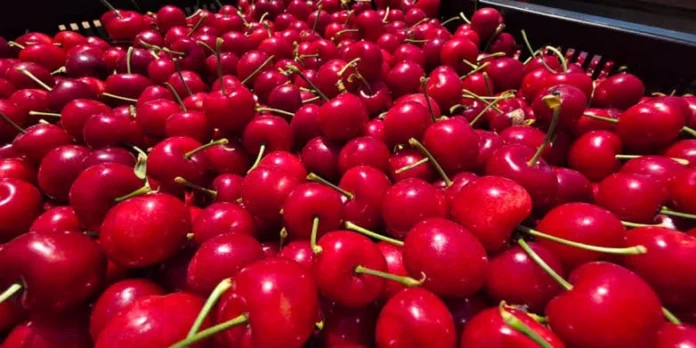
Arabfields, Farah Benali, Economic Correspondent, China — Driscoll’s China has moved to reassure consumers that berries sold in the country comply with domestic food safety standards after legal action in the United States triggered concerns across parts of the Chinese retail market.
The clarification came after reports of a consumer lawsuit in the US alleging the presence of PFAS, often referred to as “forever chemicals”, in certain strawberries sold there. The case has attracted significant attention online, prompting questions from shoppers and temporary disruptions at several retail outlets in China.
Company representatives said berries distributed in China are primarily grown in Yunnan Province under local regulations and undergo testing to ensure they meet national food safety requirements. The business added that products available to Chinese consumers are managed separately from those involved in the US legal proceedings.
The controversy has nevertheless influenced consumer behavior. Some supermarket shelves temporarily ran out of selected berry products while several online platforms displayed short restocking notices. Shoppers expressed mixed reactions, with some saying they would wait for additional testing results before purchasing, while others continued buying the fruit after reading the company’s explanation.
Food industry analysts note that public confidence has become increasingly important as consumers demand greater transparency about agricultural production and food safety. According to 2026 market estimates, China’s fresh berry sector is expected to exceed US$9 billion in retail sales this year, supported by rising demand for premium fruit and expanding domestic cultivation. Industry researchers also estimate that more than 70 percent of urban consumers now consider traceability and food safety certifications among the most important factors when purchasing fresh produce.
Experts say the current situation highlights how legal disputes in one country can rapidly influence purchasing decisions in another through social media and international news coverage. Retailers are responding by strengthening communication with customers and providing more detailed information about product origins and quality controls.
Looking ahead, market observers expect berry producers to increase investment in laboratory testing, digital traceability systems and independent certification programs. If these measures continue to expand alongside consumer education, confidence in premium berry brands could gradually recover, supporting steady growth in China’s fresh fruit market over the coming years despite short-term uncertainty surrounding overseas legal proceedings.