Arabfields, Ingrid Anker, Correspondent, Norway — AI-powered agricultural robotics company Dogtooth has secured £14 million in new funding, strengthening investor confidence in embodied artificial intelligence as growers increasingly seek practical solutions to labor shortages and rising production costs. The investment will support the wider deployment of robotic harvesting systems capable of operating in commercial farming environments while assisting workers during harvest seasons.
The funding arrives at a time when agricultural technology continues to attract capital despite a more selective investment climate. Industry analysts estimate that global investment in agricultural AI and automation exceeded $8 billion during 2026, with embodied AI emerging as one of the fastest-growing segments because it combines machine learning with physical robotics capable of performing complex tasks directly in the field. These technologies are increasingly viewed as essential for improving productivity while addressing the limited availability of seasonal workers.
Dogtooth’s harvesting robots use advanced computer vision and robotic manipulation to identify ripe fruit and pick delicate crops with minimal damage. Farmers involved in commercial deployments report that the systems are designed to work alongside existing crews rather than replace them entirely, allowing employees to focus on quality control, logistics and farm management while repetitive harvesting tasks become increasingly automated. Company executives believe this human and machine collaboration represents the next stage of agricultural modernization.
Investors see embodied AI as a significant evolution beyond software-based artificial intelligence because these systems interact directly with the physical world. The latest financing reflects growing confidence that agricultural robotics can move from pilot projects to large-scale commercial operations. Demand has also been supported by growers facing higher labor expenses, climate uncertainty and increasing pressure to improve operational efficiency without compromising crop quality.
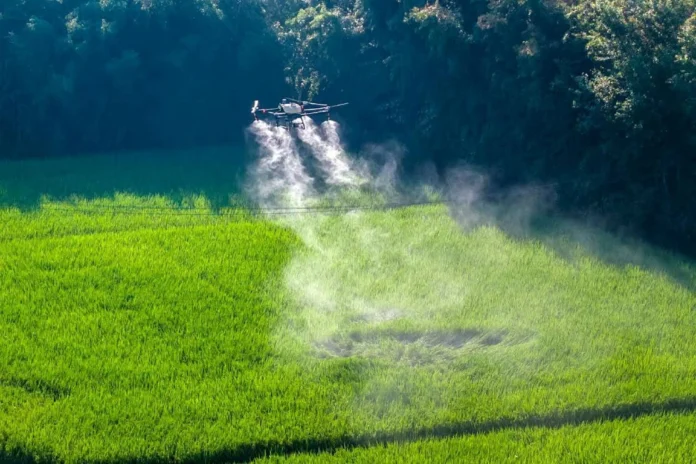
Market observers expect adoption to accelerate over the next several years as robotic hardware becomes more affordable and AI models continue to improve through real-world field data. If current investment trends continue, autonomous harvesting systems are expected to become a standard feature across high-value fruit and vegetable production, particularly in regions where labor shortages remain persistent. Continued advances in embodied AI could also expand automation into additional farming activities, including crop monitoring, precision spraying and autonomous field maintenance, helping growers build more resilient agricultural operations for the future.