Arabfields, Sophia Daly, Financial Analyst specialized in Agriculture and Futures Markets — Global food commodity prices rose further in September, adding to concerns for households and food-importing countries as transport disruptions, adverse weather and tighter supply expectations pushed several major agricultural markets higher.
The Food and Agriculture Organization of the United Nations said its Food Price Index averaged 136.0 points in September, up 1.5% from August and 5.8% from the same month a year earlier. It was the highest reading since November 2022.
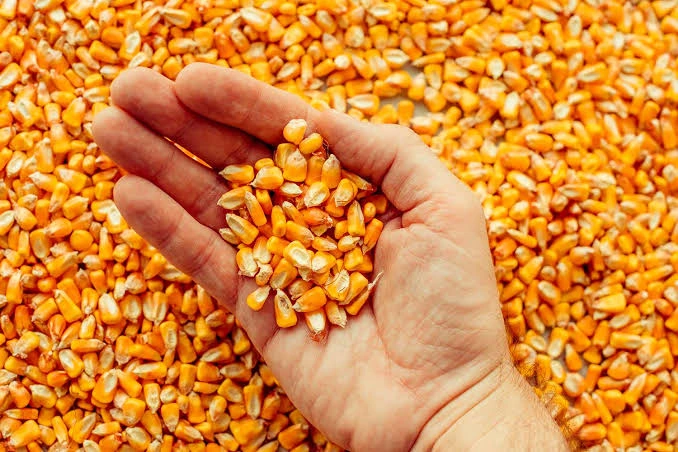
The increase was led by cereals and sugar, two markets closely linked to everyday food costs. The FAO cereal index climbed 5.1% in September, with wheat prices rising 6.3% and maize prices increasing 5.6%. Disruptions affecting Black Sea shipments, combined with dry weather in parts of North America, have added pressure to grain markets.
For consumers, the effects of international commodity prices can take time to appear. A higher cost for wheat, maize, cooking oils or sugar can eventually feed into the prices of bread, flour, processed foods and other household staples, particularly in countries that rely heavily on imports.
Sugar recorded one of the sharpest increases, with its FAO price index rising 6.1% in September. Concerns about weather conditions and the possible impact of El Niño on production in major growing regions have added uncertainty to the outlook. Vegetable oil prices also increased, rising 0.9% during the month, largely because of stronger palm oil prices and concerns about production in Southeast Asia.
Not every food category moved higher. The FAO meat price index fell 1.1% in September, while dairy prices edged down 0.1%. The differences underline how uneven the current pressure is across agricultural markets, with crops particularly exposed to weather and transport disruptions.
Behind the figures are farmers, traders and families dealing with a more uncertain market. A farmer facing higher fuel, fertiliser and transport costs may receive a better price for a crop but still see much of the additional revenue absorbed by rising production expenses. For households, particularly those with limited room in their budgets, even moderate increases in staple foods can influence what they buy each week.
The global supply picture remains relatively strong despite the recent price increases. FAO forecasts cereal production at 2.979 billion tonnes in 2026, about 2.1% below the previous year’s record but still the second-largest harvest on record. At the same time, the agency reduced its forecast for global cereal trade in the 2026/27 marketing year by 0.7%, citing weaker expectations for wheat and maize exports amid shipping constraints in the Black Sea.
The outlook for the coming months will therefore depend less on production alone and more on whether transport disruptions and weather risks persist. If Black Sea trade remains constrained and El Niño develops into a significant agricultural shock, grain, sugar and vegetable oil markets could face further upward pressure. FAO has warned that sustained increases in commodity, energy and transport costs could eventually pass through to consumer prices, especially in countries dependent on imported food and energy.
For now, the large global cereal harvest provides some buffer against a broader supply shortage. But the September figures show that ample production does not necessarily guarantee stable prices when shipping routes, weather conditions and geopolitical risks are changing at the same time.