Arabfields, Habiba Masmoudi, Economic Correspondent, Tunisia — Tunisia and Oman are exploring a joint project to collect camel milk from small-scale producers, in a move that could create new income opportunities for rural communities and strengthen agricultural cooperation between the two countries.
The initiative was discussed during a meeting between Tunisia’s Agriculture Minister Ezzeddine Ben Cheikh and his Omani counterpart, Saud bin Hamoud Al Habsi, in Muscat on Sunday, October 18, on the sidelines of the sixth session of the Council of Members of the International Dates Council.
The proposed project would involve a partnership between a Tunisian private company and an Omani firm. Its objective is to improve milk collection from small producers, encourage the exchange of technical expertise and increase the commercial value of locally produced dairy products.
For camel breeders in southern Tunisia, where livestock farming remains an important source of income, a reliable collection system could help address a longstanding difficulty: finding regular buyers for milk produced in remote areas. Better access to processing and distribution facilities could allow farmers to sell more consistently rather than depend primarily on local or informal markets.
The project remains under study, and the authorities have not announced an investment amount, a launch date or a production target. Its economic impact will therefore depend on the details of the partnership, the collection infrastructure and the ability to establish reliable outlets for the finished products.
Camel milk offers opportunities for diversification in regions where water scarcity and difficult climatic conditions limit other agricultural activities. However, developing a commercial supply chain requires investment in refrigeration, transport, quality controls and processing facilities. These costs can be particularly challenging for small producers operating far from major markets.
Tunisia has already taken steps to develop camel milk collection. In August 2024, a project to establish a collection and sterilisation centre was announced in Hezoua, in the Tozeur governorate. The experience gained from such initiatives could help inform future efforts to organise the sector and improve the handling of fresh milk.
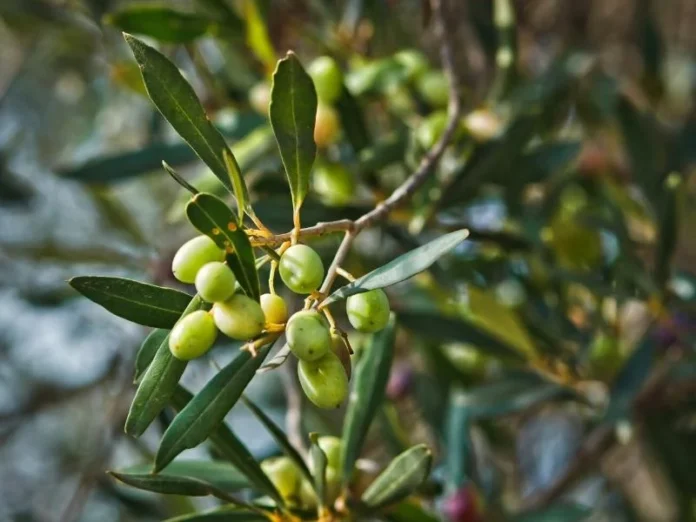
Beyond camel milk, the discussions in Muscat covered several other areas of agricultural cooperation, including olive oil production, exports and quality improvement. Tunisia could share its experience in olive cultivation, while Oman could contribute expertise in water management and desalination, areas of growing importance as both countries face pressure on their water resources.
The two ministers also discussed training, agricultural activities and maritime fisheries, particularly marine aquaculture. They stressed the need to activate an existing memorandum of understanding, identify priority areas and accelerate the implementation of joint projects.
The promotion of dates on international markets was another priority. At the International Dates Council meeting, the Tunisian delegation called for stronger coordination among producing countries to improve marketing, increase competitiveness and support the long-term development of the sector.
The camel milk initiative could provide a practical test of how bilateral cooperation translates into commercial opportunities. If the partners establish an efficient collection network and secure access to processors and buyers, the project could gradually improve incomes for participating breeders and encourage further private investment.
For now, however, the proposal remains at the planning stage. Its success will depend on whether the two companies can develop a financially sustainable model that balances affordable collection services for farmers with the costs of processing and distribution.
If those conditions are met, the partnership could offer Tunisia and Oman a starting point for broader cooperation in specialised agricultural products, while giving small rural producers a more dependable route to market.