Arabfields, Maleeka Kassou, East, West & Central Africa Agriculture Correspondent — Belarus is stepping up its efforts to strengthen its presence in West Africa’s agricultural sector, with a growing focus on supplying farm machinery and building long-term partnerships aimed at improving food production across the region.
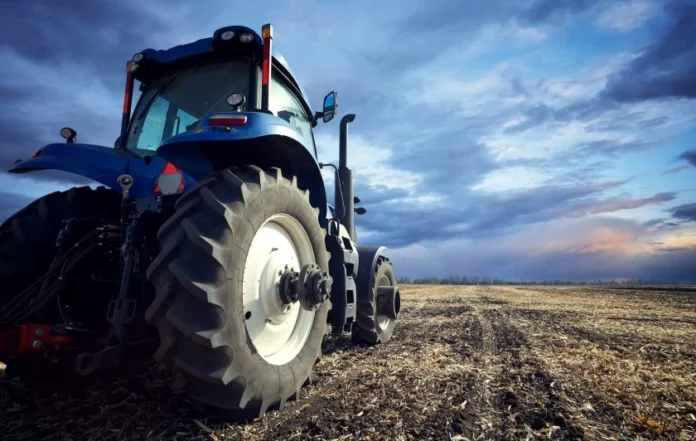
The latest agreements highlight Minsk’s ambition to become a major supplier of tractors, seeders, plows and other agricultural equipment as West African governments accelerate investments in mechanized farming. Officials from both sides say the partnerships extend beyond equipment deliveries, with plans that include technical training, maintenance services and the gradual development of local assembly capabilities.
The strategy comes at a time when agriculture continues to play a central role in the economies of West Africa. Across the region, the sector employs well over half of the workforce in several countries, while rising food demand is increasing pressure to modernize production systems. Farmers have repeatedly pointed to limited access to modern machinery as one of the biggest barriers to improving productivity and reducing post-harvest losses.
In 2026, Belarus announced plans to deliver approximately 7,500 agricultural machines to Ghana and Togo, including around 3,000 units for Ghana and 4,500 for Togo. The initiative also includes the creation of service centers where local technicians will receive training to maintain the equipment, an approach intended to improve long-term reliability and reduce operating costs.
For many producers, better access to mechanization could significantly shorten planting and harvesting times. Agricultural cooperatives have welcomed the growing availability of modern equipment, arguing that reliable machinery can help farmers expand cultivated land while improving operational efficiency during increasingly unpredictable weather conditions.
Industry analysts believe the partnership reflects a broader shift in Africa’s agricultural investment landscape, where governments are seeking diversified international partners capable of supporting both technology transfer and industrial development. Rather than relying solely on equipment imports, several countries are now encouraging projects that include local assembly, workforce training and after-sales support.
Current market trends suggest demand for agricultural machinery across West Africa will continue to grow over the next several years as governments pursue food security objectives and invest in rural infrastructure. If existing cooperation programs expand as planned, Belarus could strengthen its position as one of the region’s leading equipment suppliers while helping accelerate the modernization of commercial and small-scale farming. Continued investment in local servicing networks and technical expertise is expected to improve equipment availability, increase farm productivity and support more resilient agricultural value chains throughout the region.