Arabfields, Naïla Mokhtari, Correspondent, São Paulo, Brasil — Brazil is stepping up efforts to make its wheat industry more sustainable as agricultural researchers launch a national programme designed to measure carbon emissions and establish a certification system for low-carbon wheat production.
The initiative, led by the Brazilian Agricultural Research Corporation (Embrapa), comes as the country faces mounting pressure to improve agricultural efficiency, reduce environmental impacts and strengthen its position in international food markets.
Known as the Low-Carbon Wheat Programme, the project will run from 2026 to 2030 and aims to develop scientific indicators for measuring greenhouse gas emissions throughout the wheat supply chain, from agricultural inputs and field operations to grain transportation, drying and industrial processing.
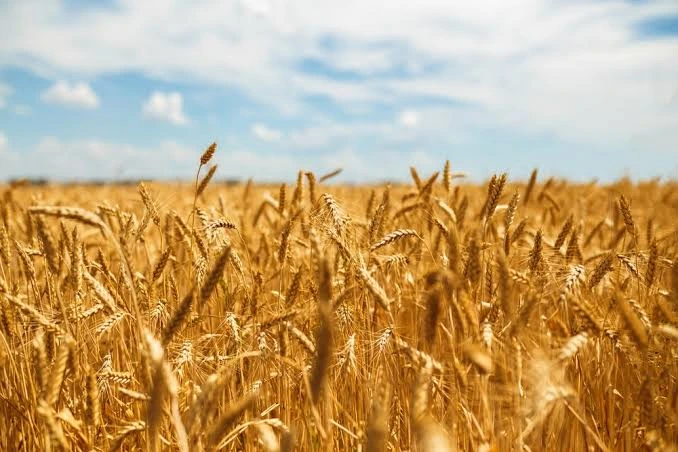
The programme comes at a challenging time for Brazil’s wheat sector. According to the National Supply Company (Conab), the country’s 2026 wheat harvest is estimated at approximately 5.7 million tonnes, representing a 27.2% decline compared with the previous season. The reduction reflects lower planted areas and weaker productivity, increasing concerns about domestic supply and the country’s dependence on imported grain.
Against this background, improving production efficiency has become an important priority for researchers and agricultural businesses.
Embrapa’s preliminary findings offer some encouragement. A study conducted in partnership with Moageira Irati during the 2024 agricultural season in Paraná estimated Brazil’s wheat carbon footprint at 0.50 kilograms of carbon dioxide per kilogram of wheat produced. This compares with a global benchmark of 0.59 kilograms, placing Brazilian production approximately 15.3% below the international average used in the study.
For farmers, the findings could eventually translate into new commercial opportunities. As food manufacturers and international buyers increasingly examine the environmental impact of agricultural products, certified wheat could offer producers an opportunity to differentiate their harvests and potentially secure better market conditions.
The programme is expected to mobilise more than 50 professionals, including researchers, agricultural specialists and technology experts. It will also train 200 technicians and establish 120 technological reference units across farms and industrial facilities.
Four private-sector companies, Cotrijal, Be8, Bunge and UPL, are participating in the initiative alongside Embrapa. Their involvement is intended to support research, field testing and the development of practical standards that can be adopted by farmers and businesses.
A central component of the project will be the development of an environmental calculator. The digital tool will allow farmers and agricultural technicians to estimate the carbon footprint of wheat production, expressed in kilograms of carbon dioxide equivalent per kilogram of grain or flour.
The platform will also consider other environmental indicators, including water consumption, soil acidification and ecological toxicity. By comparing individual farms with regional emission benchmarks, producers will be able to assess the environmental performance of their agricultural practices.
Nitrogen fertiliser use will receive particular attention. Although essential for wheat development, nitrogen fertilisers are a significant source of agricultural greenhouse gas emissions, particularly nitrous oxide.
Researchers intend to investigate alternative nitrogen sources and develop wheat varieties capable of improving nitrogen efficiency through a biological process known as Biological Nitrification Inhibition. Such varieties could help reduce emissions while maintaining or improving crop productivity.
The research will also account for differences between agricultural regions. Wheat grown in southern Brazil faces different climatic and soil conditions from crops cultivated in the tropical Cerrado region. Irrigated and rain-fed production systems will therefore require separate assessments.
For researchers involved in the project, the challenge extends beyond measuring emissions. The objective is to establish reliable indicators that demonstrate how agricultural practices affect environmental performance across the entire production chain.
The results could become increasingly important as international food markets place greater emphasis on traceability and sustainability. A recognised certification system would give Brazilian producers a clearer framework for demonstrating their environmental performance to domestic and overseas buyers.
By 2030, Embrapa expects to deliver a national certification protocol, an environmental assessment calculator and a recognised programme identity for low-carbon wheat.
The initiative does not guarantee an immediate reduction in production costs or higher prices for farmers. However, if the research produces reliable standards and the certification gains acceptance among buyers, Brazilian wheat producers could benefit from improved market access and stronger competitiveness.
With domestic wheat production facing a significant decline in 2026, the combination of agricultural innovation, improved productivity and environmental certification could become an important part of Brazil’s strategy to strengthen its wheat industry over the coming years.