Arabfields, Naïla Mokhtari, Correspondent, São Paulo, Brasil — Soybean prices in Brazil edged lower at the port of Paranaguá as farmers accelerated planting for the 2026/27 season, reinforcing expectations of a large domestic harvest and increasing pressure on local grain markets.
The Cepea/Esalq soybean indicator fell 0.06% on Friday, October 16, to 154.61 reais per 60-kilogram bag. The modest decline reflected a market increasingly focused on the prospects for greater supplies from Brazil and favourable production expectations in neighbouring Argentina.
For farmers preparing to plant or expand their crops, the price movement comes at a critical point in the agricultural calendar. Producers must balance the prospect of selling their harvest at lower prices against the need to secure inputs, finance field operations and manage weather-related risks.
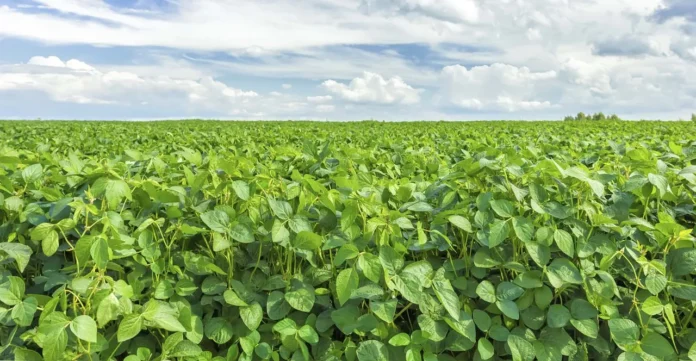
Brazil’s soybean planting campaign has advanced at an unusually rapid pace. According to Pátria Agronegócios, sowing had reached 30.38% of the expected area, compared with 22.80% at the same stage a year earlier and a five-year average of 21.28%. The figures indicate that planting is progressing faster than in previous seasons, strengthening expectations of an ample supply in the months ahead.
Analysts say the combination of early planting and favourable production prospects is reducing the urgency among buyers to secure supplies at higher prices. With more soybeans expected to enter the market, traders have greater scope to negotiate purchases, while farmers face increasing pressure to assess their selling strategies.
Luiz Pacheco, an analyst at T&F Consultoria Agro-econômica, said prices could move further away from the year’s highs as expectations for Brazilian production remain strong. Brazil’s soybean crop was projected at 181 million tonnes in the outlook cited by the market, while favourable prospects for Argentina’s harvest added to the supply outlook.
The prospect of abundant production is particularly important for Brazil, one of the world’s largest soybean producers and exporters. Changes in domestic prices can affect farm revenues, storage decisions, export competitiveness and the purchasing strategies of international trading companies.
Price movements across regional markets, however, have not been uniform. In Ponta Grossa, Paraná, soybeans were quoted at 149 reais per bag, up 2 reais from the previous session. In Primavera do Leste, Mato Grosso, prices fell by 1 real to 139 reais per bag. In Luís Eduardo Magalhães, Bahia, quotations rose by 1 real to 139 reais.
These regional differences reflect variations in local supply, transport costs and trading conditions. While the national market faces pressure from expectations of a large crop, individual producing areas can still experience price increases when local demand or logistics support stronger bids.
For producers, the next several weeks will be decisive. Farmers who harvest substantial volumes may benefit from economies of scale, but lower market prices could reduce margins if production costs remain elevated. Those with access to storage facilities may choose to delay sales in anticipation of improved prices, although that strategy carries its own financial and market risks.
Looking ahead, soybean prices are likely to remain under pressure if planting continues at its current pace and expectations for Brazilian and Argentine production remain favourable. A sustained increase in supply would give buyers more negotiating power and could encourage farmers to spread sales over a longer period rather than commit their entire harvest at once.
Weather remains a key uncertainty. Any significant deterioration in rainfall, crop development or expected yields could change market sentiment and provide support for prices. Conversely, continued progress in planting and favourable growing conditions would reinforce expectations of a large harvest.
The current decline remains modest, and the latest figures do not establish that prices will continue falling indefinitely. For now, the market is weighing the prospect of abundant supply against weather risks and the changing needs of producers and exporters.
As Brazil moves deeper into the new planting season, the balance between crop development and demand will help determine whether soybean prices stabilise or face further downward pressure.