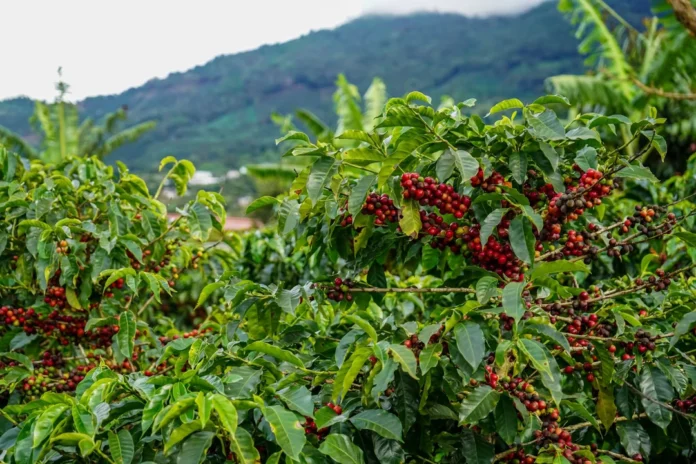
Arabfields, Sophia Daly, Financial Analyst specialized in Agriculture and Futures Markets — Coffee prices retreated on Friday, pulling back from four-week highs as expectations of a substantial crop in Brazil continued to exert downward pressure on the market. Both arabica and robusta futures settled lower, reflecting growing confidence among analysts that global supply will expand significantly in the coming seasons.
Traders have monitored developments closely in recent weeks, with many noting the shift from earlier concerns over tighter supplies to a more balanced outlook. One veteran broker in New York, who has followed the sector for over two decades, remarked that favorable weather patterns in key growing regions have bolstered optimism for higher yields, though short-term inventory constraints still provide some support.
In the latest trading session, arabica contracts eased after climbing earlier in the week, while robusta followed a similar path. Market participants attribute the decline primarily to projections of robust production in Brazil, the world’s largest coffee producer. Analysts from several leading firms have raised their estimates for the 2026/27 season, pointing to conditions that could yield a historically large harvest.
Recent forecasts suggest Brazilian output may reach between 70 and 76 million bags in the 2026/27 cycle, representing a notable increase from prior years. This anticipated surge stems from improved rainfall in areas such as Minas Gerais, combined with the natural biennial cycle that often favors higher production following off-years. StoneX, for instance, has adjusted its projection upward to a record 75.3 million bags, while other estimates from Marex Group and Sucafina cluster around 75 million bags or more.
On a global scale, experts anticipate that world coffee production will support a meaningful surplus. Projections indicate that the 2026 global coffee balance could shift to a surplus of approximately 10 million bags, up sharply from much smaller figures in 2025. This development follows a period of relative tightness, during which ending stocks had declined modestly.
Industry observers highlight that such ample supply prospects could moderate prices throughout the remainder of 2026. A recent survey of analysts suggested that arabica futures might average around 225 cents per pound by the end of the year, while robusta contracts could settle near 2,500 dollars per tonne. These levels would mark a considerable retreat from peaks observed in previous months, assuming weather conditions remain supportive and no major disruptions emerge.
Farmers in Brazil and Vietnam, another major robusta producer, have responded to earlier high prices by expanding planted areas and enhancing cultivation practices. In Vietnam, improved output expectations have also contributed to the broader supply narrative. Nevertheless, some market watchers caution that unforeseen events, such as adverse weather or logistical challenges, could still influence the final outcome.
For consumers and roasters alike, the evolving picture offers potential relief after sustained periods of elevated costs. A coffee importer based in Europe noted that stable or lower prices would help maintain affordability for everyday blends, benefiting both households and the hospitality sector.
While the immediate trend points lower, participants emphasize the inherent volatility of the coffee market. Long-term forecasts remain tied to climate patterns, with many stressing the importance of sustainable practices to ensure consistent production in the years ahead. As the 2026/27 harvest season approaches, attention will turn to on-the-ground developments in Brazil and other origins for clearer signals on the final volumes.
The market will likely continue to weigh these abundant supply expectations against any lingering tightness in available stocks, shaping price movements in the months to come.