Arabfields, Jamel derbal, Senior Correspondent: Innovation & Sustainability, Singapore — Global coffee prices have entered a period of unprecedented escalation throughout 2025, reaching levels not seen in decades and transforming the daily ritual of billions of consumers worldwide. According to recent analyses, including a detailed report highlighted by the Royal Bank of Canada, coffee costs in major markets such as Canada have risen dramatically, with an increase of nearly 28 percent between 2024 and November 2025, far outpacing the overall food inflation rate of only 4.2 percent during the same period. This sharp upward movement stems primarily from severe supply constraints affecting the world’s leading producers, compounded by shifting demand patterns and temporary trade disruptions.
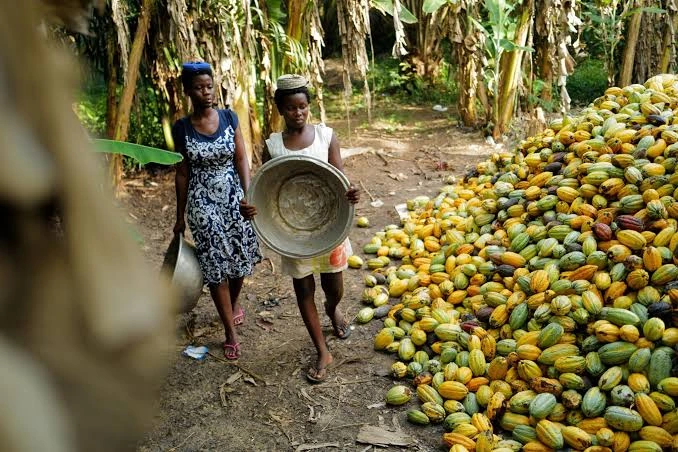
The core driver behind this surge remains climatic adversity, particularly prolonged droughts that have severely impacted output in key coffee-exporting nations. Brazil, the undisputed leader in global arabica production, Colombia, a premium arabica powerhouse, and Vietnam, the dominant supplier of robusta beans, have all faced restricted harvests and limited exports to international markets. Experts who recently visited major growing regions in South America have observed firsthand the consequences of insufficient sunlight, early frosts, rising average temperatures, and erratic weather patterns, all of which coffee cultivation requires to remain stable and predictable. These conditions have resulted in significantly lower yields, more difficult harvesting processes, and a tightening of global supply chains that has pushed producer prices, the amount farmers receive before retail distribution, up by an astonishing 266 percent over the past five years.
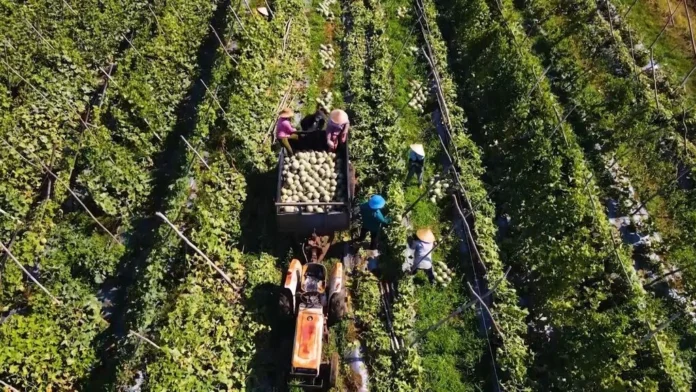
Vietnam, as one of the most affected countries, has had to impose restrictions on both production and exports in response to persistent drought conditions, mirroring the challenges experienced by its South American counterparts. Despite these difficulties, high prices have begun to stimulate renewed planting and investment among Vietnamese farmers, leading to optimistic projections for the upcoming seasons. The United States Department of Agriculture now forecasts Vietnam’s coffee production to reach 30.8 million 60-kilogram bags in the 2025/26 marketing year, representing a solid 6 percent increase from the previous season, with exports expected to climb by 8 percent to 27.3 million bags. This recovery, driven by attractive market incentives, suggests that robusta supply could stabilize relatively quickly compared to the more weather-sensitive arabica segment.
Demand dynamics have further intensified pressure on prices. While traditional coffee-consuming regions maintain steady habits, with Canada standing out as having one of the highest per capita consumption rates outside Europe, explosive growth in Asia has added significant momentum to the market. Middle-class consumers across the continent increasingly favor coffee over tea, resulting in consumption growth of nearly 15 percent since 2018 in many Asian countries. China, in particular, has witnessed an extraordinary 150 percent rise in coffee consumption over the last decade, creating fresh demand that absorbs available supply even before it reaches Western markets. This structural shift toward higher coffee intake in emerging economies appears poised to persist, providing sustained support for prices even as production begins to recover in certain areas.
Additional factors have contributed to the volatility observed in 2025. Temporary trade measures, including substantial tariffs imposed by the United States on imports from major producing countries such as Brazil and Vietnam, have disrupted traditional supply flows and forced importers to pass increased costs along the chain. Although some of these tariffs were later lifted or adjusted, their impact lingered in the form of higher baseline prices and rerouted trade patterns. Combined with already elevated green coffee costs due to low inventories and climate-related uncertainties, these developments have kept retail prices elevated across many regions.
Looking ahead, the future trajectory of coffee prices remains complex yet cautiously optimistic in the medium term. Current market signals indicate that the extreme tightness experienced in 2025 may gradually ease as production rebounds. Forecasts from authoritative sources, including the World Bank and various commodity analysts, suggest that after substantial increases in 2025, arabica prices could decline by approximately 13 percent in 2026 and a further 5 percent in 2027, supported by improved harvests in Colombia and potentially more favorable weather patterns in Brazil. Robusta prices are expected to follow a more moderate downward path, easing by around 2 percent annually in both 2026 and 2027 following a more contained rise in the current year. Some projections even anticipate a global production surplus of up to 7 million bags by the 2026/27 season, which would contribute to inventory rebuilding and eventual price moderation.
Nevertheless, the coffee industry faces ongoing structural challenges that prevent a swift return to pre-2024 price levels. Climate change continues to pose the most critical long-term risk, with recurring droughts, shifting rainfall patterns, and extreme weather events likely to disrupt the traditional coffee belt periodically. Farmers and producers will need to invest heavily in resilient varieties, improved irrigation systems, and sustainable practices to mitigate these vulnerabilities. At the same time, the rapid growth of demand in Asia and other emerging markets is expected to absorb much of any additional supply, limiting the extent of price declines.
In essence, the coffee market appears to be entering a new phase characterized by higher baseline prices and greater volatility than consumers have experienced in recent decades. While relief from the most acute pressures of 2025 seems probable over the coming two years, the combination of climatic uncertainty, evolving global demand, and the need for substantial adaptation throughout the supply chain suggests that coffee will remain a premium commodity for the foreseeable future. For producers in countries like Vietnam, the current environment offers opportunities to expand output and capture higher value, provided they can navigate the dual challenges of weather risks and market competition. For consumers worldwide, the era of inexpensive everyday coffee may have quietly come to an end, giving way to a more conscious appreciation of this beloved beverage and the fragile ecosystems that produce it.