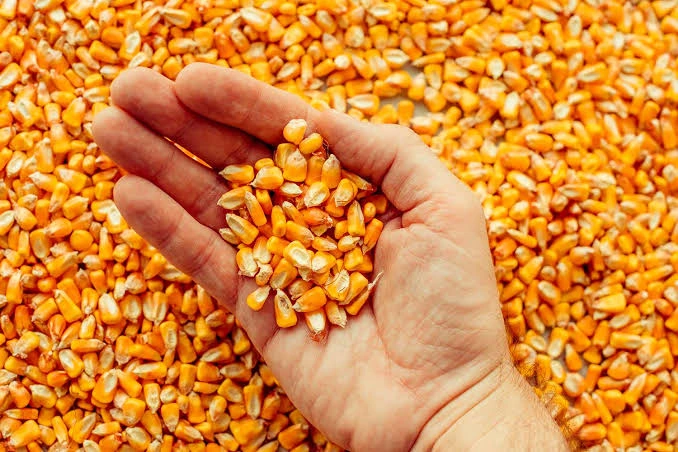
Arabfields, Isabela Valentina Montemayor, Correspondent, Mexico — Argentina stands as one of the world’s foremost producers and exporters of corn, with its vast Pampas region serving as the heartland of this critical agricultural endeavor, a fertile expanse that has long fueled the nation’s economy and contributed substantially to global food security. The 2025/26 corn season, which began with optimistic projections amid favorable planting conditions earlier in the cycle, now faces a significant threat from an unusually dry January, where limited and scattered rainfall across key growing areas could substantially diminish yields and overall output. This meteorological challenge arrives at a pivotal moment in the crop’s development, when moisture is essential for pollination, kernel formation, and overall plant health, raising concerns among farmers, agronomists, and market analysts alike about the potential for a reduced harvest that might ripple through international commodity markets.
The Pampas, stretching across provinces such as Buenos Aires, Córdoba, Santa Fe, and La Pampa, typically benefits from summer rains that align with the corn growing cycle, which spans from late spring planting through autumn harvest. Corn plants in this season, much of it early-planted varieties that are now entering reproductive stages, rely heavily on consistent precipitation during December and January to support vigorous growth and maximize grain fill. However, reports emerging in mid-January indicate that much of the region has experienced predominantly dry conditions throughout the month, with only sporadic showers providing minimal relief in isolated pockets. This scarcity of rainfall has already begun to stress crops in western and northern zones, where soil moisture reserves have depleted rapidly under high temperatures and evaporative demand, leading to visible signs of wilting and reduced vigor in fields that were otherwise promising just weeks ago.
Historical patterns underscore the vulnerability of Argentine corn to mid-summer dryness, as seen in previous seasons where prolonged dry spells during critical phases resulted in notable yield losses. For instance, droughts in earlier cycles have shaved millions of tons off projected outputs, forcing downward revisions in estimates and contributing to tighter global supplies. In the current 2025/26 season, initial forecasts had painted a picture of robust production, potentially reaching or exceeding 56 million metric tons based on expanded planted area and improved seed technologies that farmers adopted enthusiastically following recoveries from prior challenging years. Yet, with January unfolding as largely arid, particularly in core production zones, the risk of significant downgrades looms large, as water deficits during this period can irreversibly impair ear development and lead to smaller, lighter kernels.
Looking ahead, the trajectory of the 2025/26 harvest will hinge critically on weather patterns in the coming weeks and into February. If the dry conditions persist without substantial relief, analysts anticipate that national production could fall short of early expectations by several million tons, possibly dipping toward the lower end of revised projections around 50 to 53 million metric tons, reflecting yield reductions of 10 to 20 percent in affected regions. Such an outcome would stem from aborted pollination in stressed plants, increased susceptibility to pests and diseases under weakened conditions, and overall lower biomass accumulation. Western Buenos Aires and parts of La Pampa, already flagged for damage from prolonged dryness since late last year, appear most at risk, where early-planted corn has shown deteriorating conditions that may not fully recover even if later rains arrive.
Conversely, some meteorological outlooks suggest the possibility of heavier precipitation toward the latter part of January or early February, with potential accumulations of 50 to 100 millimeters in certain western and central areas, which could mitigate some of the emerging damage and allow portions of the crop to rebound. This influx, if timely and well-distributed, might preserve much of the potential in later-planted fields and bolster soil moisture for the grain-filling phase extending into March. However, even in this more favorable scenario, the uneven distribution of any incoming rains could leave pockets of the Pampas underserved, resulting in a patchwork harvest where some farmers achieve near-normal yields while others face substantial shortfalls. Overall, a partial recovery might cap losses, keeping total output closer to 54 million tons, though still below the most bullish pre-season estimates.
The implications of a diminished Argentine corn crop extend far beyond the nation’s borders, given its status as a top global exporter, routinely shipping tens of millions of tons annually to markets in Asia, Europe, and neighboring countries. A notable reduction in 2025/26 supplies could tighten exportable surpluses, prompting higher international prices as buyers scramble for alternatives from competitors like Brazil or the United States. This price escalation would likely inflate feed costs for livestock producers worldwide, contributing to upward pressure on meat and dairy products at a time when global food inflation remains a concern. Moreover, Argentina’s domestic industries, including biofuel production and animal agriculture, which consume significant volumes of corn, might face elevated input costs, squeezing margins for processors and potentially leading to reduced ethanol blending or higher poultry and beef prices within the country.
For Argentine farmers, the unfolding dry spell represents not only an immediate threat to incomes but also a reminder of the inherent risks in rain-fed agriculture amid shifting climate patterns. Many had invested heavily in inputs, expecting a strong rebound season to recoup from previous variability, only to confront water stress that could erode profitability through lower volumes and potentially depressed local prices if global markets react sharply. Government responses might include emergency support measures, such as subsidized insurance payouts or drought declarations to unlock aid, though these often provide only partial relief. In the longer term, recurring dry episodes could accelerate shifts toward more resilient hybrids, expanded irrigation where feasible, or even adjustments in planting calendars to better align with evolving rainfall reliability.
On a broader scale, the 2025/26 Argentine corn outlook serves as a case study in the interplay between weather anomalies and agricultural stability, highlighting how a single month’s precipitation shortfall can alter projections for a commodity that underpins food systems across continents. Should the dryness extend further, it could contribute to a more constrained global corn balance, with ending stocks potentially lower than anticipated and carrying over into subsequent seasons. Alternatively, a return to wetter conditions might stabilize supplies, allowing Argentina to maintain its pivotal role in meeting world demand. As the season progresses, stakeholders will closely monitor satellite imagery, soil moisture data, and field reports to refine these forecasts, understanding that the final harvest tally, expected around April and May, will ultimately reveal the full extent of January’s dry legacy on this vital crop.
In contemplating future seasons beyond 2025/26, the current challenges underscore the need for adaptive strategies in Argentine agriculture, where climate variability appears increasingly pronounced. Warmer temperatures and altered precipitation regimes, potentially linked to broader atmospheric phenomena, may necessitate greater investment in drought-tolerant varieties and precision farming techniques to safeguard yields. Economically, sustained production robustness remains essential for Argentina, as corn exports generate crucial foreign currency amid ongoing fiscal pressures. Globally, diversified sourcing and resilient supply chains will grow in importance, ensuring that disruptions in one major producer do not cascade excessively. Thus, while the dry January of 2026 poses immediate risks to the ongoing crop, it also prompts reflection on building greater endurance for the cycles ahead, where weather will continue to dictate the fortunes of this golden grain from the Pampas.