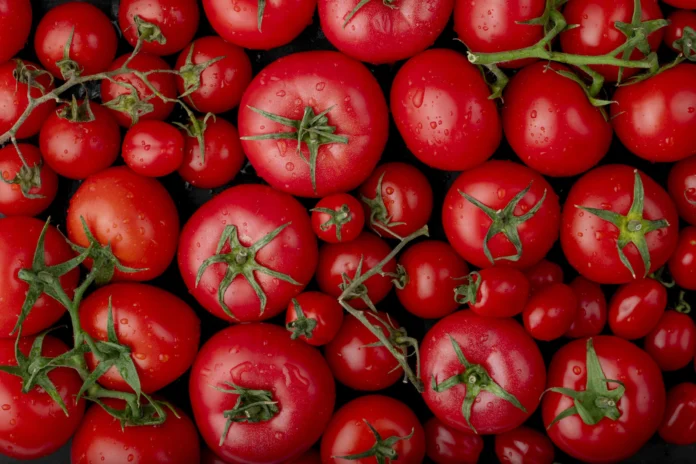
Arabfields, Leonor Fernández de Córdoba, Correspondent, Spain — The Spanish multinational corporation GB Foods has taken a decisive step toward deepening its engagement with the Ghanaian economy by acquiring a large tract of land for the purpose of industrial tomato cultivation. This development involves the allocation of approximately two thousand four hundred and twenty-eight hectares in the Afram Plains area of the Eastern Region, a move that will directly support the operations of the company’s local subsidiary. Through this initiative, GB Foods Africa and GB Foods Ghana are reinforcing their commitment to establishing a comprehensive and self-sustaining supply chain for tomato concentrate manufacturing, marking a notable advancement in the region’s agribusiness landscape and paving the way for greater industrial autonomy.
Specializing in the creation and distribution of fast-moving consumer goods centered around cooking and meal preparation, GB Foods has identified significant potential in enhancing local production capabilities within West Africa. The vast farmland now under its management is intended to serve as a primary source of high-quality tomatoes for processing into concentrates, thereby ensuring greater control over the quality and timeliness of raw material deliveries. Positioned as one of the most extensive farming operations maintained by the group in West Africa, this concession is expected to facilitate a substantial increase in the volume of tomatoes available for industrial use, streamlining the path from cultivation to consumer products and allowing for more predictable and efficient manufacturing cycles.
This agricultural expansion builds upon the foundation laid by the tomato processing facility that the company inaugurated in Tema during two thousand and twenty-three. The unit, which required an investment of five million US dollars, has been instrumental in the local manufacture and distribution of well-known brands including Gino and Pomo. These products have quickly established themselves in the Ghanaian market, appealing to both household consumers and commercial users who value reliable and flavorful tomato concentrates for a wide variety of everyday culinary applications. The addition of dedicated farmland will amplify the efficiency of this facility by minimizing logistical delays and reducing exposure to international supply chain disruptions that frequently affect imported raw materials, thereby creating a more resilient and integrated operational model.
Ghana enjoys a prominent status as the fourth leading producer of fresh tomatoes in West Africa, trailing only Nigeria, Guinea, and Niger in terms of overall output. Despite this agricultural strength, the nation has persisted in importing considerable quantities of processed tomato products to satisfy internal demand. Statistical records indicate that from two thousand and twenty through two thousand and twenty-four, average annual imports of tomato puree amounted to fifty-four thousand three hundred and sixty-one tons, corresponding to an average yearly financial outlay of fifty-four point four million US dollars. The cost escalated to a high of eighty-five point four million US dollars in two thousand and twenty-four, emphasizing the economic incentives for bolstering domestic processing industries and highlighting the substantial market potential that remains available for locally manufactured alternatives.
The strategic rationale behind the land purchase is rooted in a philosophy of localized industrial development. Vicenç Bosch, the Chief Executive Officer of GB Foods Africa, has highlighted the importance of cultivating industry within operational territories rather than depending on importation. In his view, the priority centers on augmenting local capacities and fostering self-sufficiency in production processes, it is not about importing, it is about building local capacity. This stance not only supports the company’s growth objectives but also aligns with Ghana’s aspirations for agro-industrial progress and reduced foreign dependency in key food categories, promoting a more balanced and sustainable economic structure.
The broader impacts of this project are anticipated to be profound and wide-ranging. Development of the concession will involve significant labor requirements for various phases of farming and initial processing, thereby generating employment prospects for local residents in the Eastern Region. These jobs will span skilled and unskilled categories, contributing to skill development and income generation in rural settings. As the operation matures, it may also stimulate related economic activities, such as the provision of inputs, equipment maintenance, and transportation services, creating a ripple effect that benefits surrounding communities and small businesses while fostering a more vibrant local economy.
Furthermore, the availability of domestically produced tomato concentrates at competitive prices will enhance food accessibility for Ghanaian consumers. Tomato-based products are integral to numerous local recipes, and a stable supply can help stabilize prices and improve nutritional consistency in diets across diverse socioeconomic groups. From a national perspective, the substitution of imports with local output will conserve foreign exchange, which can be redirected toward other essential sectors including education, healthcare, and infrastructure enhancement, thereby supporting holistic national development.
In envisioning the future trajectory of this venture and the sector it influences, several informed projections emerge from the underlying data and strategic direction. Over the next several years, the combination of extensive farmland and established processing infrastructure is likely to enable a considerable expansion in local tomato concentrate volumes. This growth could realistically address a meaningful share of the existing import demand, which has averaged more than fifty thousand tons of puree per year. Consequently, Ghana may witness a progressive decline in its annual import expenditures for these goods, potentially saving substantial sums in foreign currency and reinvigorating the domestic economy through retained capital and increased industrial activity.
Extending the outlook to the conclusion of the current decade, continued success in scaling operations could elevate Ghana’s role within the West African tomato products market. With a secure foundation of local cultivation on the scale of two thousand four hundred and twenty-eight hectares, the possibility arises for the country to not only achieve self-sufficiency but also to supply processed goods to adjacent markets experiencing comparable demand pressures. The established brands from GB Foods would be instrumental in this expansion, leveraging their reputation for quality to penetrate new territories and meet the rising demand driven by urbanization and changing consumption patterns across the region. Such progress would strengthen regional food security and diminish the collective exposure to global commodity price volatility, positioning Ghana as an increasingly influential participant in cross-border trade networks.
Sustainability forms another critical dimension of the anticipated advancements. The large-scale farming endeavor provides an opportunity to implement best practices in resource management, such as optimized irrigation and soil fertility programs suited to the conditions of the Afram Plains. As experience accumulates, these efforts are projected to yield improvements in productivity and environmental stewardship, setting benchmarks for other agricultural projects in similar climatic zones. In parallel, potential collaborations with governmental and educational institutions could accelerate innovation in tomato varieties and cultivation methods, ensuring long-term viability amid climatic challenges and promoting practices that balance high output with ecological preservation.
While the path forward includes considerations of potential obstacles like variable weather or market dynamics, the multinational resources and expertise of GB Foods afford robust mechanisms for risk management. Investments in technology and adaptive practices will likely ensure operational resilience, leading to more consistent performance and encouraging further capital commitments from both local and international sources. This project thus stands as a compelling example of how targeted agribusiness investments can drive multifaceted development, encompassing economic, social, and environmental dimensions in an integrated manner.
Beyond the immediate operational benefits, the initiative carries significant implications for the preservation and evolution of Ghanaian culinary traditions. Tomato concentrates serve as foundational elements in countless traditional dishes, from hearty stews to vibrant sauces that define daily meals and festive occasions. By ensuring a reliable domestic supply through expanded cultivation and processing, GB Foods contributes to the cultural continuity of these practices while making them more accessible and affordable to a broader population base. This cultural-economic synergy enhances consumer confidence in local products and reinforces national pride in domestically sourced ingredients, gradually shifting preferences away from imported alternatives toward home-grown options.
Moreover, the vertical integration achieved through the combination of farmland and processing capacity offers a blueprint for other sectors within Ghanaian agribusiness. As the model demonstrates tangible success in reducing import dependency and generating local value, it may inspire parallel investments in complementary areas such as packaging, distribution, and even research into crop resilience. Over time, this could lead to the emergence of a more diversified and robust agro-industrial cluster in the Eastern Region, with spillover effects that extend to neighboring areas and contribute to balanced regional development across the country.
Looking even further into the horizon, toward the early years of the next decade, projections grounded in the current scale of investment and import patterns suggest the potential for transformative outcomes. Should production from the new concession reach levels capable of matching or exceeding historical import volumes, Ghana could transition from a position of notable import reliance to one of surplus capacity in tomato concentrates. This shift would not only eliminate the average annual outflow of fifty-four point four million US dollars but also open avenues for export revenues, thereby bolstering the national trade balance and attracting additional foreign interest in similar ventures. The resulting economic multiplier effects, including sustained job growth and infrastructure upgrades, would compound over time, creating lasting foundations for prosperity.
In summary, the acquisition and planned utilization of the expansive land concession by GB Foods heralds a promising era for tomato production and processing in Ghana. It exemplifies a model of corporate involvement that prioritizes local empowerment and sustainable growth. As cultivation activities commence and production increases, the initiative is set to deliver tangible benefits in economic, social, and nutritional domains. The coming period holds the prospect of notable transformations, with Ghana advancing toward greater autonomy in this vital food category and contributing more substantially to West African agricultural value chains. This development not only affirms the confidence of international investors in the country’s potential but also illuminates pathways for similar undertakings that can collectively uplift the continent’s food systems and foster enduring regional cooperation.