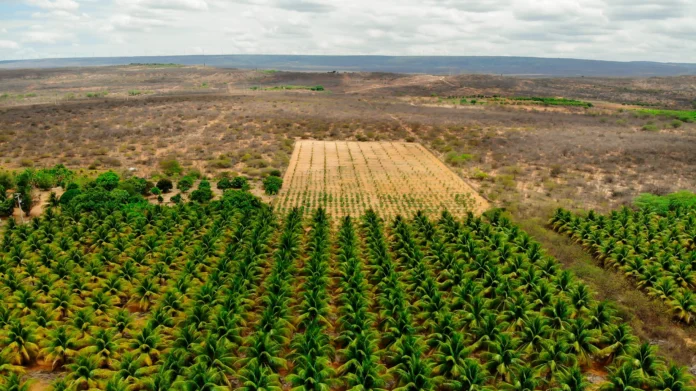
Arabfields, Said Ali, Analyst & Specialist in Agricultural Policy and Economic Innovations — A grain research station in central Cuba is helping farmers improve crop yields through locally adapted seed varieties, biological products and more effective plant protection, as the country seeks to strengthen domestic food production amid persistent supply constraints.
The Territorial Grain Research Station in Sur del Jíbaro, in the municipality of La Sierpe, is focusing its scientific work on three main areas: developing varieties suited to local growing conditions, expanding the use of domestically produced biological inputs and improving the control of weeds and crop diseases.
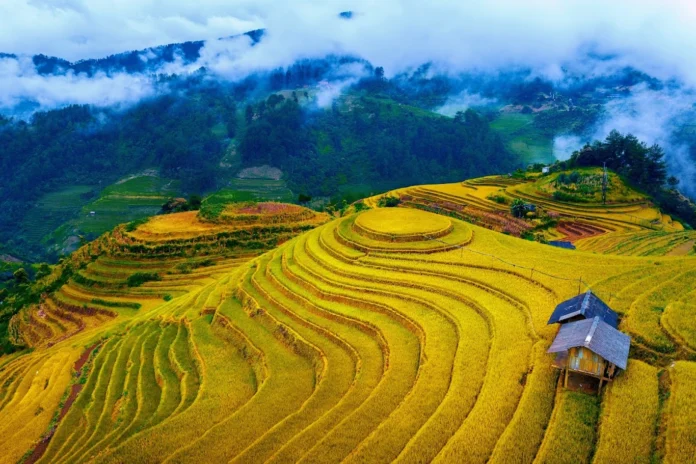
Rice remains the station’s principal research crop. Researchers are working to identify varieties that can deliver reliable yields under local conditions, while maintaining a seed production programme designed to bring improved planting material from experimental plots into commercial farming.
For researchers, the challenge is not simply to develop new varieties but to ensure that farmers can use them effectively. The station works with selected producers who have demonstrated strong technical skills and field results, helping them reproduce successful methods and share practical knowledge with other growers.
Rolando Sabori Reyes, a researcher at the institution, said the work also focuses on controlling red rice, a troublesome weed that competes with cultivated rice and can reduce the quality and productivity of harvests. Improving weed management is therefore an important part of efforts to raise production efficiency.
Biological products are another priority. Researchers are examining alternatives that can support crop development while making greater use of inputs produced within Cuba. Such approaches could help farmers reduce their dependence on imported agricultural supplies, although their effectiveness depends on crop conditions, application methods and consistent availability.
The station’s work comes as Cuba faces pressure to increase domestic grain production and reduce reliance on imports. Rice, beans and maize are important components of the national diet, while maize and other grains are also essential for animal feed. Shortages in these crops can therefore affect both household food supplies and the production of eggs, meat and other sources of protein.
The wider agricultural sector continues to face constraints involving fuel, machinery, fertilisers and access to financing. These difficulties can delay planting, complicate irrigation and increase production costs, limiting the benefits of scientific advances when farmers cannot obtain the resources needed to implement them.
Sancti Spíritus has considerable infrastructure for rice cultivation, including access to the Zaza reservoir, Cuba’s largest. Provincial authorities have argued that this combination of agricultural experience, available land and water resources provides opportunities to expand production, provided existing facilities are used more efficiently.
For the current agricultural year, the province committed to planting 10,200 hectares of rice and producing nearly 40,300 tonnes of paddy rice, figures reported as being on track at the time of the latest provincial review. For the next production cycle, the Sur del Jíbaro Agroindustrial Grain Company has outlined plans to plant 29,700 hectares and obtain 106,622 tonnes of paddy rice.
These are production targets rather than confirmed harvest results. Achieving them will depend on the availability of inputs, water management, weather conditions and the ability of producers to complete planting and harvesting operations on schedule.
The research station’s role is particularly important in this context because improvements in seed quality and crop management can raise productivity without necessarily requiring a comparable expansion in cultivated land. However, the extent of any gains will depend on how quickly successful research results can be adopted across farms.
The coming seasons are expected to test whether the station can translate its research into measurable improvements in yields and production stability. Wider access to improved seeds, more effective weed control and greater use of locally produced biological products could help reduce avoidable losses and strengthen the resilience of rice farming.
Over the longer term, closer cooperation between researchers, agricultural enterprises and independent producers could help Cuba make better use of its existing agricultural capacity. Yet research alone cannot resolve the sector’s structural difficulties. Reliable access to fuel, equipment, irrigation infrastructure and other essential supplies will remain critical.
For farmers in central Cuba, the practical value of the research will ultimately be measured in healthier crops, more dependable harvests and lower production risks. The station’s work offers a route towards those goals, while the wider success of the programme will depend on turning scientific progress into results across the country’s fields.