Arabfields, Cherifa Brahmi, Correspondent, Seoul, South Korea — South Korean President Lee Jae Myung has postponed the country’s planned application to join a major Asia-Pacific trade agreement, seeking further consultations with farmers and fishermen concerned that increased competition from imports could threaten their livelihoods.
Lee reaffirmed the strategic importance of joining the Comprehensive and Progressive Agreement for Trans-Pacific Partnership (CPTPP) during a meeting on Monday with about 110 representatives from the agricultural, fisheries, forestry and livestock sectors. He said the government would not submit an application this year and would continue discussions before deciding on the next steps.
The decision highlights the challenge facing an export-dependent economy seeking wider access to international markets while protecting domestic producers from the costs of trade liberalisation.
Under the government’s preliminary assessment, joining the CPTPP could raise South Korea’s real gross domestic product by 0.38 percentage points over 10 years. Manufacturing output is projected to increase by around 6.7 trillion won annually over 15 years, while production in agriculture, forestry and fisheries could decline by approximately 850 billion won a year. These are projections, not guaranteed outcomes.
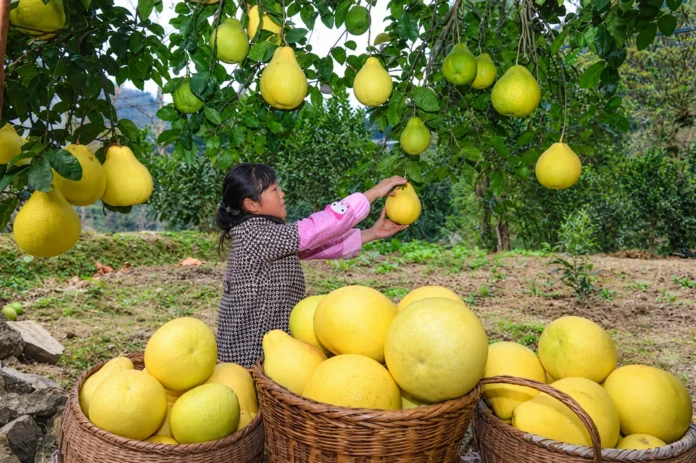
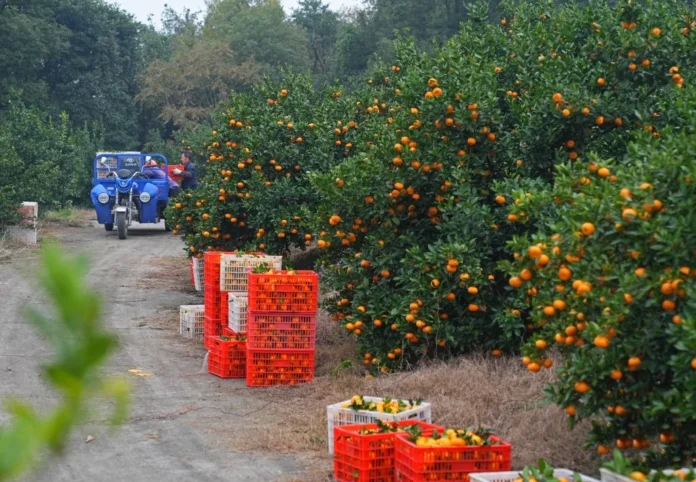
For farmers and fishing communities, the concern is that lower-cost imports could put pressure on domestic prices, reduce sales and weaken the viability of smaller producers. At Monday’s meeting, Lee pledged to prevent unfair losses and described agriculture and fisheries as strategic industries linked to national security and the country’s long-term resilience.
The president also acknowledged that securing membership would be a lengthy process. All 12 existing CPTPP members must agree to South Korea’s accession, making completion before his current term ends in June 2030 unlikely, according to his remarks reported on Monday.
The CPTPP includes major trading economies such as Japan, Australia, Canada, Mexico and Vietnam. Membership could give South Korean exporters another framework for expanding trade and diversifying markets, but the economic benefits would depend on the terms of accession, market conditions and the ability of businesses to take advantage of improved access.
A central issue for the government will be whether it can establish a credible compensation framework for sectors exposed to greater foreign competition. Seoul has also pledged to address a funding shortfall in a rural cooperation fund established following the 2015 free trade agreement with China, an issue that has contributed to distrust among agricultural groups.
In the coming months, the pace of the CPTPP initiative is likely to depend on consultations with farmers and fishermen, the design of support measures and the government’s broader trade priorities. With no new application deadline established, the immediate focus is expected to remain on building domestic consensus rather than securing rapid accession.
For South Korea, the decision postpones a significant trade-policy choice without removing it from the agenda. The challenge will be to weigh the potential gains from wider export opportunities against the adjustment costs for rural communities, while ensuring that any future move towards membership is supported by a workable plan for those most exposed to increased competition.