Arabfields, Farah Benali, Economic Correspondent, China — In the rice-growing region of Koba, located in western Guinea’s Boffa prefecture, farmers are celebrating another successful harvest season as hybrid rice cultivation continues to transform local agricultural production.
What began as a pilot initiative several years ago has evolved into a significant agricultural development program. Today, bags labeled “Hybrid Rice Produced in Guinea” are leaving local processing facilities and heading to markets across the country, reflecting the growing impact of improved farming techniques and high-yield seed varieties.
Guinea possesses abundant water resources and vast areas of fertile land, yet agricultural productivity has historically remained below its potential due to limited infrastructure and traditional farming methods. In response, a partnership launched in 2019 introduced hybrid rice varieties and modern cultivation practices to selected farming areas in Koba.
The results have been striking. According to agricultural specialists working on the project, some hybrid rice varieties are now achieving yields of up to nine tonnes per hectare in demonstration fields during the 2026 harvest season. By comparison, many conventional local varieties typically produce between three and five tonnes per hectare under similar conditions.
For local farmer Mamadou Camara, the difference has been significant. Standing beside a field ready for harvest, he explained that improved seeds combined with better irrigation and crop management have allowed producers to increase both production and income.
Agricultural technicians note that the gains are not solely linked to seed genetics. Over recent years, irrigation channels have been rehabilitated, drainage systems upgraded and farmers trained in nursery preparation, transplanting techniques, fertilizer management and crop protection measures.
The expansion of training programs has also played a crucial role. Each planting season, dozens of farmers attend practical workshops where they learn modern production methods and observe the performance of improved varieties firsthand. Local officials say the transfer of technical knowledge may ultimately prove as valuable as the higher yields themselves.
Rice remains one of Guinea’s most important staple foods, and demand continues to rise alongside population growth. In 2026, national rice consumption is estimated to exceed 1.8 million tonnes, encouraging authorities to prioritize domestic production and reduce reliance on imports.
Experts believe the outlook for Guinea’s rice sector remains positive. If the adoption of hybrid rice varieties continues at its current pace and investments in agricultural infrastructure are maintained, national rice output could increase by 25 to 35 percent over the next five years. Such growth would strengthen food security, improve rural incomes and support the country’s broader agricultural development strategy.
Researchers are now focusing on expanding local expertise in seed production and breeding technologies. The objective is not only to increase harvests but also to enable Guinea’s agricultural sector to develop greater self-sufficiency in the years ahead.
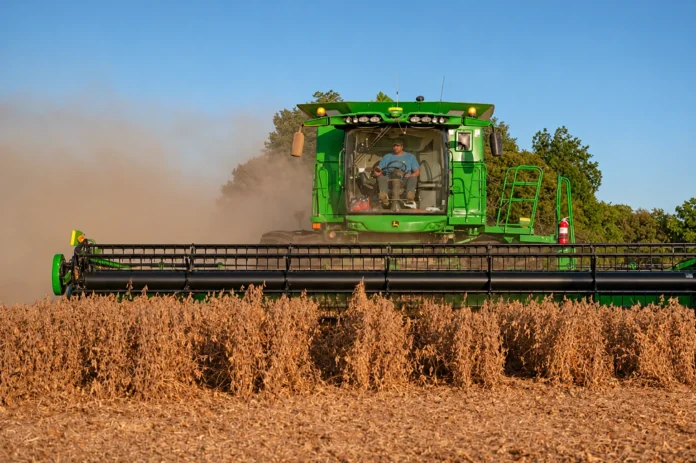
As combines move through the fields of Koba and trucks carry freshly processed rice toward regional markets, many farmers see the transformation as more than a successful harvest. For them, it represents a new chapter in Guinea’s efforts to modernize agriculture and secure a more productive future for rural communities.