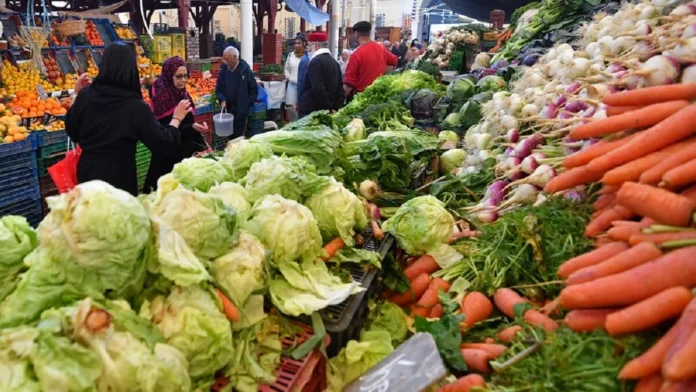
Arabfields, Maleeka Kassou, East, West & Central Africa Agriculture Correspondent — In a region where food security remains a daily concern for millions, a small but meaningful shift occurred in Mozambique toward the end of November 2025. Retail rice prices, a critical staple for urban and rural households alike, dropped by 4.7 percent in a single month, bringing the average price down to around USD 934 per metric ton. The decline, highlighted in the latest October 2025 Food Security Monitor published by AGRA, reflects improved domestic availability following the arrival of newly harvested paddy and continued imports through the ports of Beira and Nacala. For many low-income families who spend more than half their income on food, this modest relief has translated into a slightly less burdensome trip to the market and a few extra meticais available for school fees or medicine.
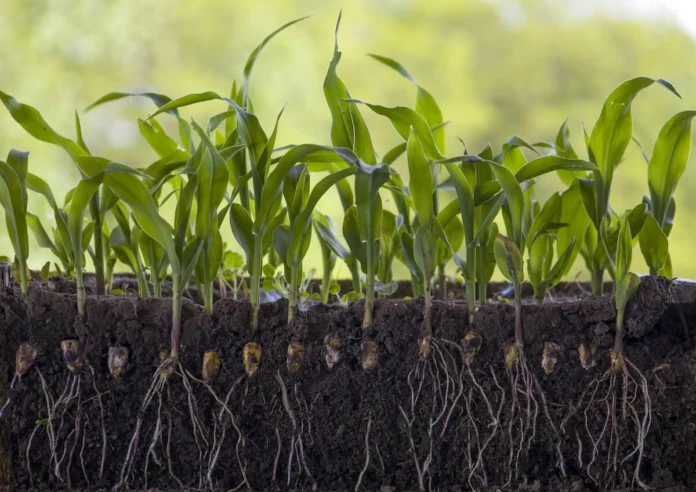
Yet the good news stops almost as quickly as it begins. While rice on the plate has become marginally more accessible, the inputs needed to grow the next season’s crops are moving in the opposite direction. Farmers across Mozambique report that both urea and NPK compound fertilizers have either held steady at elevated levels or continued a slow upward creep that began earlier in the year. Unlike neighboring Malawi, where monthly fertilizer quotations softened slightly in October and November, Mozambique has not benefited from the same downward correction. Retail prices for a 50-kilogram bag of urea in central and northern provinces now routinely exceed the equivalent of USD 45–50, a figure that places quality fertilization out of reach for the majority of smallholders who cultivate less than two hectares.
This diverging trend between consumer prices and production costs reveals the fragile equilibrium on which Southern Africa’s food systems currently rest. The recent drop in rice prices is largely a supply-driven phenomenon: better rains in the 2024–25 growing season in parts of Zambézia and Sofala provinces, combined with government and private-sector efforts to keep import channels open, have temporarily eased pressure on the market. However, the same farmers who contributed to that harvest are now staring at input bills that could erase the gains of the coming cycle. Without affordable fertilizer, many will either reduce application rates, leading to lower yields, or shift to cheaper but less balanced products that degrade soil over time.
The broader regional context offers little immediate comfort. The October 2025 Food Security Monitor underscores that coarse grains such as maize and sorghum still face sustained price pressure in several countries, driven by a combination of transport bottlenecks, currency depreciation, and lingering effects of previous El Niño-induced droughts. Mozambique, despite its coastline and port infrastructure, remains vulnerable to these shocks. Informal cross-border trade, which often acts as a safety valve when domestic production falters, has become more expensive as fuel prices and border fees rise. Meanwhile, humanitarian agencies warn that any further escalation in global fertilizer prices, still sensitive to energy markets and geopolitical tensions, would quickly reverse the fragile consumer-level gains now being felt in Maputo markets and rural trading centers alike.
For policymakers and development partners, the moment presents both an opportunity and a warning. The fact that rice supply responded relatively quickly to improved harvests and open trade corridors demonstrates that the country’s logistics and market information systems can work when conditions align. Replicating that responsiveness on the input side, however, requires more deliberate intervention: expanded subsidy programs that reach last-mile retailers, negotiated bulk procurement deals that shield farmers from exchange-rate volatility, and renewed investment in domestic blending facilities that could eventually lower dependence on imported finished fertilizers.
Until those structural measures take hold, the story of Mozambique’s food economy in late 2025 remains one of partial relief overshadowed by gathering clouds. Consumers have earned a brief breathing space, but the smallholder farmers who ultimately feed the nation are preparing for another season in which every kilogram of fertilizer must be weighed against dwindling cash reserves. In a country where agriculture employs nearly three-quarters of the workforce and climate risks never fully recede, the gap between cheaper rice on the shelf and costlier inputs in the field is more than an economic footnote, it is the narrow ledge on which the next year’s food security will either stand or slip.