Arabfields, Lamia Cherifa, Special Economic Correspondent, Moscow, Russia — In a notable development in international relations, the leaders of Russia and Madagascar have recently convened in Moscow to affirm their dedication to enhancing bilateral ties across an array of sectors. This engagement, which took place on February 20, 2026, reflects a strategic intent to build upon existing foundations and venture into promising new domains of collaboration. President Vladimir Putin of Russia hosted his Malagasy counterpart, Michael Randrianirina, for discussions that highlighted the potential for a more comprehensive partnership between the two countries.
The meeting comes at a time when both nations are poised to celebrate a significant milestone in their diplomatic history. Next year will mark the fifty-fifth anniversary of the establishment of formal relations between Russia and Madagascar, an occasion that serves as a testament to the enduring nature of their connection and provides an opportune moment to elevate the level of engagement. Throughout the conversation, both leaders expressed optimism regarding the future trajectory of their cooperation, emphasizing a willingness to expand interactions in fields that have hitherto remained underexplored.
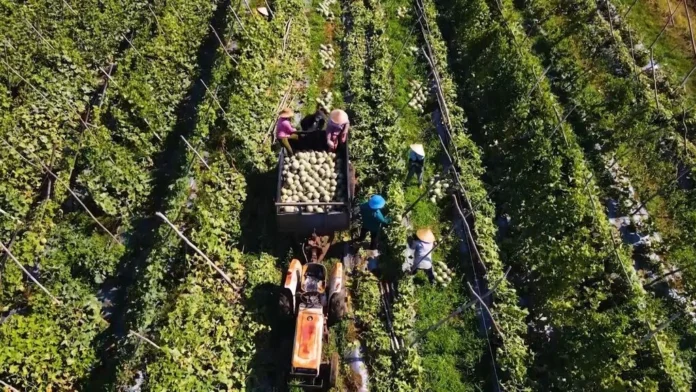
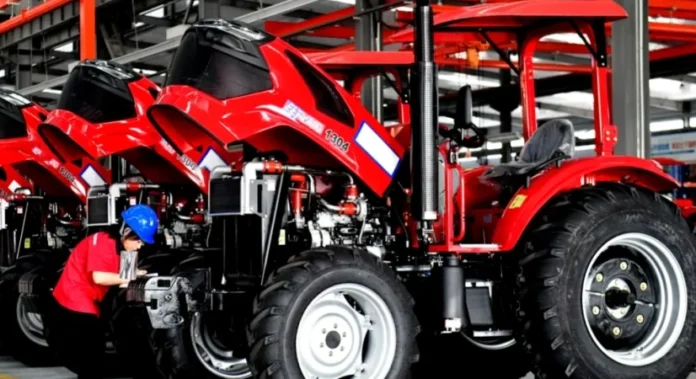
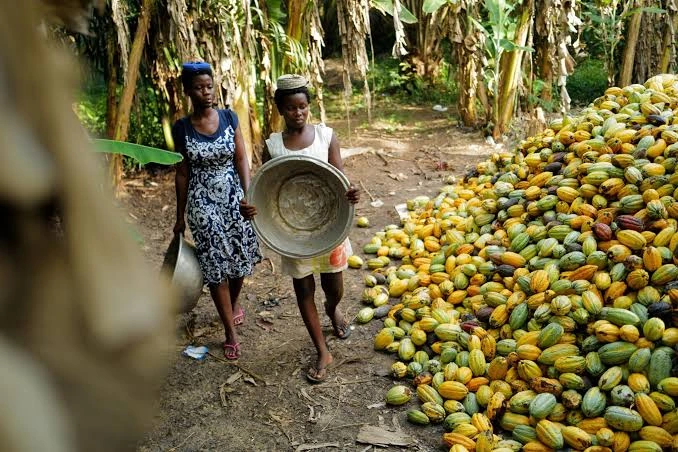
President Putin outlined several key areas where collaboration holds substantial promise, including agriculture, geological exploration, energy production, medicine, healthcare, and education. He conveyed that Russia stands prepared to broaden its partnership with Madagascar in these domains, noting the mutual benefits that could arise from such endeavors. In particular, the agricultural sector presents opportunities for Russia to increase exports of essential commodities such as grains and poultry products to Madagascar, while also facilitating the supply of mineral fertilizers that could significantly boost the productivity of Malagasy farmlands. Such exchanges are likely to contribute to enhanced food security on the island nation and support its agricultural development initiatives.
Geological exploration emerges as another critical avenue for cooperation. Madagascar is known for its rich mineral resources, and Russian expertise in this field could play a pivotal role in the systematic assessment and sustainable exploitation of these deposits. Joint ventures in this area may lead to the discovery and development of new mining operations, thereby generating economic growth, creating employment opportunities for local populations, and attracting further investment into the country’s infrastructure. Looking ahead, it is reasonable to anticipate that over the next five to ten years, these exploratory activities could translate into operational projects that position Madagascar as a more prominent player in global mineral markets, with Russia serving as a key technological and investment partner.
In the energy sector, the discussions underscored the potential for collaboration in hydrocarbons and related infrastructure. Given Russia’s advanced capabilities in energy extraction and management, partnerships could focus on modernizing Madagascar’s energy systems to ensure more reliable and efficient power supplies. This might encompass not only traditional fossil fuel resources but also the exploration of renewable energy options suited to the island’s unique geography. Future projections suggest that successful implementation of such initiatives could alleviate energy shortages, stimulate industrial growth, and contribute to the overall economic modernization of Madagascar. By the early 2030s, one might expect to see tangible improvements in energy access across various regions of the country, fostering sustainable development and reducing dependency on imported fuels.
Medicine and healthcare represent domains of profound importance for bilateral ties. Cooperation here could involve the exchange of medical knowledge, the provision of advanced equipment, and training programs for healthcare professionals from Madagascar in Russian institutions. Such measures would strengthen the capacity of Madagascar’s health system to address prevalent challenges, including those exacerbated by natural disasters. Educational partnerships are closely linked, as increased opportunities for Malagasy students to pursue higher education in Russia would build a cadre of skilled professionals equipped to tackle national priorities in science, technology, and public service. In the coming decade, these educational and medical exchanges are predicted to result in a more robust healthcare framework in Madagascar and a generation of alumni who facilitate ongoing technological and scientific collaboration between the two nations.
Furthermore, the leaders expressed readiness to expand their partnership in cultural and humanitarian spheres. Cultural exchanges can serve to deepen mutual understanding and appreciation between the peoples of Russia and Madagascar, potentially through initiatives such as the establishment of cultural centers or joint artistic and educational programs. Humanitarian cooperation gains particular relevance in light of recent challenges faced by Madagascar. President Putin extended sincere condolences for the devastating impacts of two recent cyclones, which affected more than two hundred seventy thousand individuals and resulted in over forty fatalities. In response, Russia has committed to delivering urgent humanitarian assistance to support the affected populations and aid in recovery efforts. This gesture not only addresses immediate needs but also lays the groundwork for longer term collaborative mechanisms in disaster preparedness and response.
The commitment to humanitarian aid highlights the compassionate dimension of the bilateral relationship and demonstrates Russia’s role as a reliable partner during times of crisis. As climate change continues to intensify the frequency and severity of extreme weather events in the Indian Ocean region, future cooperation in this field could evolve to include joint research on climate resilience, early warning systems, and reconstruction strategies. Predictions indicate that sustained humanitarian and technical support from Russia will enable Madagascar to recover more swiftly from such events and build greater adaptive capacities, ultimately enhancing the nation’s long term stability and prosperity.
Beyond these bilateral initiatives, the two countries have agreed to maintain and strengthen their collaboration on international platforms, notably within the framework of the United Nations. This alignment on global issues reflects a shared perspective on matters of international peace and security, as well as a desire to contribute constructively to multilateral dialogue. As geopolitical dynamics continue to shift, this coordination is expected to grow in significance, potentially influencing discussions on African affairs, development goals, and environmental policies. In the years ahead, observers may witness an increasing convergence of positions between Russia and Madagascar in international forums, which could amplify the voice of developing nations on the world stage.
The strategic location of Madagascar in the Indian Ocean adds another layer of importance to this burgeoning partnership. Enhanced ties with Russia could open avenues for broader security and logistical cooperation, including potential access to key maritime facilities that hold value for regional stability and trade routes. While the current focus remains on economic and humanitarian aspects, the foundation laid in this meeting paves the way for more integrated strategic relations. Future developments might see the implementation of joint training programs for security forces, infrastructure projects that bolster connectivity, and trade agreements that facilitate smoother exchange of goods and services.
Drawing from the commitments articulated during the Moscow meeting, several optimistic forecasts can be made regarding the evolution of Russia Madagascar relations. In the short term, one can expect the swift execution of humanitarian aid deliveries and the initiation of preliminary agreements in agriculture and education. Medium term projections, spanning three to five years, include the launch of geological surveys and energy sector pilot projects, alongside a notable rise in the number of Malagasy students and professionals benefiting from Russian training programs. Over the longer horizon, towards the end of the decade and into the 2030s, the partnership is likely to mature into a multifaceted alliance characterized by substantial trade volumes, operational joint ventures in resource extraction and energy, advanced healthcare collaborations, and vibrant cultural exchanges.
Such progress would not only yield direct economic and social benefits for both countries but also contribute to a more diversified network of international partnerships for Madagascar. For Russia, deepened engagement in Africa through Madagascar serves to expand its influence and access to valuable resources and markets in the region. The synergy between Russian technological prowess and Malagasy natural endowments holds the potential to generate win-win outcomes that extend beyond the two nations, influencing regional economic integration in southern Africa and the Indian Ocean rim.
Moreover, the emphasis on education and healthcare cooperation is poised to have enduring effects on human development indicators in Madagascar. As more individuals gain access to quality training and medical advancements, the country could experience accelerated progress in key areas such as literacy rates, life expectancy, and workforce productivity. These improvements, in turn, would create a more conducive environment for foreign investment and domestic innovation, setting Madagascar on a path of sustained growth.
In the agricultural domain, the anticipated increase in Russian exports of grains, poultry, and fertilizers is expected to stabilize food prices and enhance nutritional outcomes in Madagascar. Concurrently, knowledge transfer regarding modern farming techniques could empower local farmers to increase yields and adopt more sustainable practices, mitigating the impacts of climate variability. By fostering self-reliance in food production while maintaining robust import channels, the partnership could significantly bolster Madagascar’s agricultural resilience.
Energy cooperation promises to address one of the fundamental constraints to development in many parts of Madagascar. Reliable energy supply is essential for industrialization, urbanization, and the provision of basic services. Russian involvement could accelerate the development of both conventional and alternative energy sources, leading to a more diversified and secure energy matrix. Future scenarios envision a Madagascar where power outages become less frequent, enabling businesses to thrive and communities to enjoy improved living standards.
The cultural dimension should not be underestimated, as it fosters people-to-people connections that complement governmental agreements. Programs promoting language learning, artistic collaborations, and tourism could emerge, enriching the cultural landscapes of both societies and building a reservoir of goodwill that sustains the relationship through political or economic fluctuations. The planned opening of facilities dedicated to cultural promotion in Madagascar exemplifies this forward looking approach.
In conclusion, the recent meeting between the Russian and Malagasy leaders marks a pivotal moment in their bilateral history. By committing to expand cooperation in diverse fields and by demonstrating solidarity in the face of natural calamities, both countries have laid a solid foundation for a dynamic and mutually beneficial partnership. The future holds considerable promise, with forecasts pointing to enhanced economic interdependence, improved human development outcomes, and stronger strategic alignment. As the fifty-fifth anniversary of diplomatic relations approaches, the momentum generated by this engagement is set to propel Russia and Madagascar towards new heights of collaboration, benefiting their peoples and contributing positively to the broader international community.