Arabfields, Meriem Senouci, Correspondent, Hanoï, Vietnam — The appeal of Vietnamese coffee in Japan has grown significantly, reflecting a harmonious blend of distinctive flavors, competitive pricing, and reliable supply chains that align well with the discerning preferences of Japanese consumers. As one of Vietnam’s most prominent export commodities, coffee from this Southeast Asian nation continues to secure a solid position in the Japanese market, where quality consistency and value play central roles in purchasing decisions.
In early 2026, data from Japanese customs authorities indicate that Vietnam maintained its status as the second-largest supplier of coffee to Japan. During January of that year, Vietnam exported approximately 9,100 tons of coffee valued at 42.7 million US dollars, accounting for a market share of around 29.56 percent. This performance followed a period of robust growth in 2025, when Vietnam’s overall coffee exports reached record levels exceeding 1.59 million tons in volume and generating revenues approaching 9 billion US dollars, a substantial increase driven by elevated global prices and expanded production capacities.
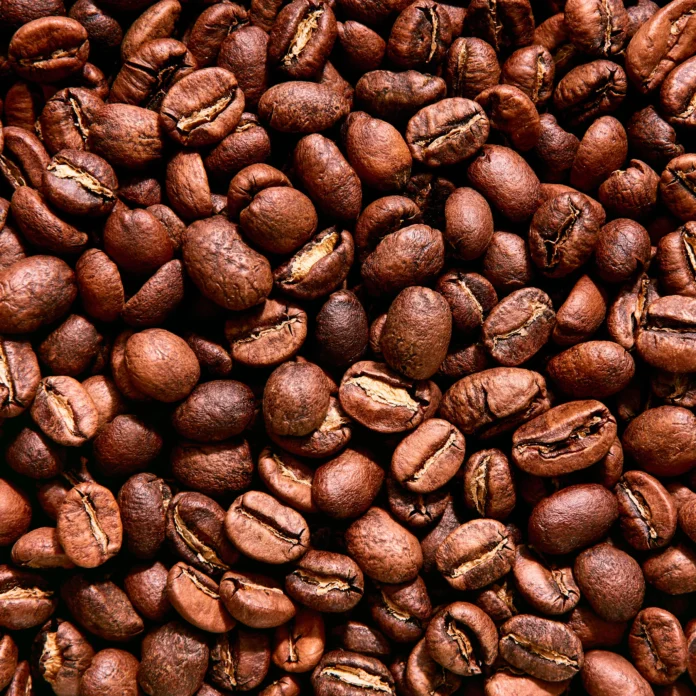
Japanese importers and consumers value Vietnamese coffee particularly for its affordability combined with a rich, robust taste profile that distinguishes it from offerings originating in Brazil, Colombia, or Ethiopia. The relative ease of consistent delivery further enhances its attractiveness, allowing Japanese businesses to maintain steady inventories without the logistical complexities sometimes associated with more distant or variable suppliers. Robusta varieties, which constitute the majority of Vietnamese exports, have proven especially popular, representing approximately 63 percent of the export value to Japan in the first two months of 2026. Processed and value-added coffee products have also gained traction, contributing about 30.7 percent to the total value during the same period, signaling a gradual shift toward higher-quality, ready-to-use formats that cater to modern consumption patterns.
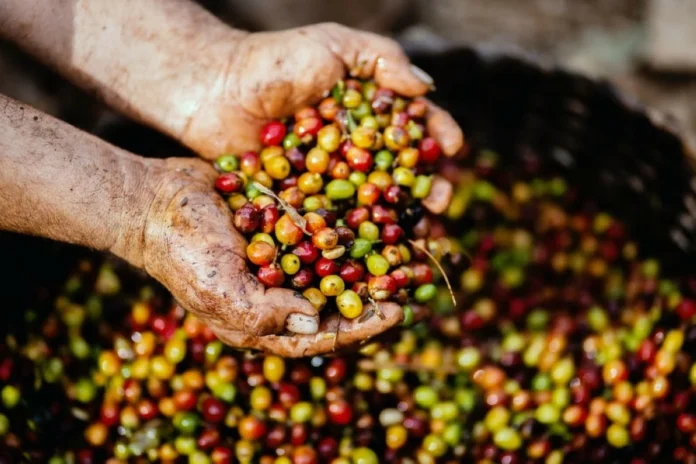
This preference stems in part from the unique characteristics of Vietnamese coffee cultivation and processing. Grown primarily in the fertile highlands of Vietnam, the beans benefit from ideal climatic conditions that yield a bold flavor with notes of chocolate, nuts, and subtle earthiness, often enhanced through traditional roasting techniques. Japanese consumers, known for their appreciation of refined sensory experiences, find these attributes appealing in both traditional drip preparations and contemporary specialty applications. Moreover, the stability in supply has allowed Vietnamese exporters to build long-term relationships with Japanese distributors, fostering trust in a market that prioritizes reliability alongside taste.
Despite a temporary dip in export volumes and values observed in the initial months of 2026, attributable to adjustments in global pricing and seasonal factors, the underlying fundamentals remain strong. In the January-February period of 2026, Vietnam shipped 20,600 tons of coffee to Japan worth 107.4 million US dollars. While this represented a modest decline compared to the prior year, it underscored the resilience of the trade linkage, particularly as Robusta continued to dominate and processed items demonstrated stability. Average export prices to Japan stood at approximately 5,425 US dollars per ton in February 2026, reflecting broader market dynamics where quality differentiation plays an increasingly important role.
Looking ahead, several indicators point to sustained and potentially accelerated growth in the consumption of Vietnamese coffee within Japan. Projections for the Japanese coffee market suggest overall consumption could approach 473,000 tons by 2028, expanding further toward 480,000 tons by 2030, with an average annual growth rate of roughly 0.3 percent in the near term. This modest yet steady expansion aligns with evolving consumer trends that favor convenient, high-quality, and health-oriented products, including a rising interest in decaffeinated options and specialty blends. Vietnamese suppliers are well-positioned to capitalize on these shifts by emphasizing sustainable farming practices, traceability, and product innovation, such as premium roasted beans and instant formulations tailored to Japanese preferences for precision and purity.
Furthermore, the broader Japanese coffee sector is anticipated to experience more dynamic growth, with market value expected to rise from approximately 18.53 billion US dollars in 2025 to 28.82 billion US dollars by 2034, reflecting a compound annual growth rate of about 5.03 percent from 2026 onward. This trajectory is propelled by increasing demand for premium and ready-to-drink products, as well as the expansion of café culture in urban centers. Vietnamese coffee, with its cost-effectiveness and flavor versatility, is poised to capture a larger portion of this expanding market, especially as Japanese consumers increasingly seek diverse origins that offer both value and distinct sensory profiles.
Vietnamese producers have responded to these opportunities by transitioning away from raw green bean exports toward more processed, higher-value offerings. This strategic evolution not only enhances profitability but also addresses the Japanese emphasis on consistency and refinement. Enterprises in Vietnam are investing in advanced processing technologies and branding initiatives to create products that resonate with Japanese standards of excellence. Such efforts are expected to strengthen market penetration, potentially elevating Vietnam’s share beyond current levels as competition from other suppliers intensifies.
Global coffee dynamics further support optimistic outlooks for Vietnamese exports to Japan. With production in Vietnam forecasted to recover and expand in the 2025/26 season, reaching around 30.8 million 60-kilogram bags, export capacities are set to increase by approximately 8 percent compared to previous estimates. This supply-side strength, combined with Japan’s stable import needs and growing appreciation for Robusta’s bold characteristics, creates favorable conditions for deepened trade relations. By 2030, should current trends persist, Vietnamese coffee could solidify its role as a cornerstone in Japan’s diversified sourcing strategy, contributing to a more balanced and resilient supply chain for the country’s coffee industry.
Cultural integration also plays a subtle yet meaningful part in this affinity. Japanese consumers’ meticulous approach to beverage preparation finds compatibility with the versatility of Vietnamese coffee, whether used in classic espresso-style drinks or innovative fusions that blend traditional elements with local aesthetics. As awareness of Vietnamese coffee’s heritage and quality continues to spread through culinary exchanges, specialty shops, and e-commerce platforms, its presence in Japanese households and commercial establishments is likely to deepen.
In summary, the enduring popularity of Vietnamese coffee in Japan rests on a foundation of superior taste, economic accessibility, and logistical efficiency, bolstered by data from 2026 that highlight Vietnam’s consistent ranking among top suppliers. With forward-looking projections indicating steady consumption growth in Japan and strategic advancements on the Vietnamese side, the future of this bilateral trade relationship appears promising. Continued collaboration focused on quality enhancement, sustainability, and market adaptation will undoubtedly propel Vietnamese coffee toward even greater recognition and success within one of Asia’s most sophisticated consumer markets. This partnership exemplifies how agricultural excellence from Vietnam can meet the refined demands of Japanese palates, fostering mutual economic benefits for years to come.