Arabfields, Farah Benali, Economic Correspondent, China — Rural communities across China’s Jiangsu province are playing an increasingly important role in the country’s economic transformation, as local authorities pursue development strategies aimed at narrowing the gap between urban and rural areas.
Once known primarily for agriculture, many villages in Jiangsu have evolved into thriving economic centers supported by manufacturing, technology, tourism and modern services. The transformation reflects a broader national effort to strengthen rural economies while improving living standards for millions of residents.
Recent figures from 2026 show that Jiangsu remains among China’s most economically dynamic provinces, with several rural counties recording steady increases in income, industrial output and investment. Local governments have encouraged the development of specialized industries tailored to the strengths of individual communities, creating new opportunities for employment and entrepreneurship.
In villages on the outskirts of major urban centers, residents say the changes have been visible over the past decade. Improved infrastructure, better transportation links and expanding digital services have helped connect rural communities to domestic and international markets.
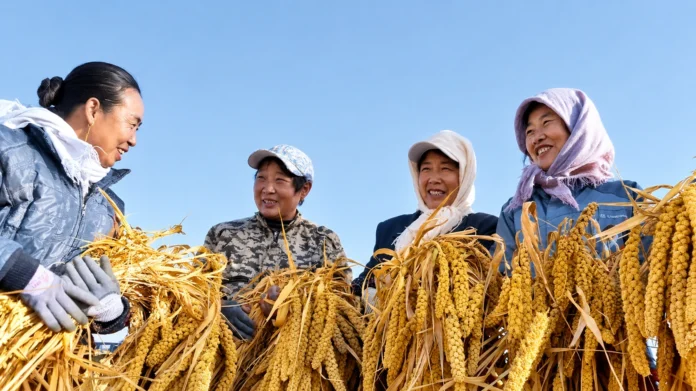
“Many young people used to leave for the cities to find work,” said a resident of a village in Jiangsu. “Today, there are more opportunities locally, and some people are even returning to start businesses.”
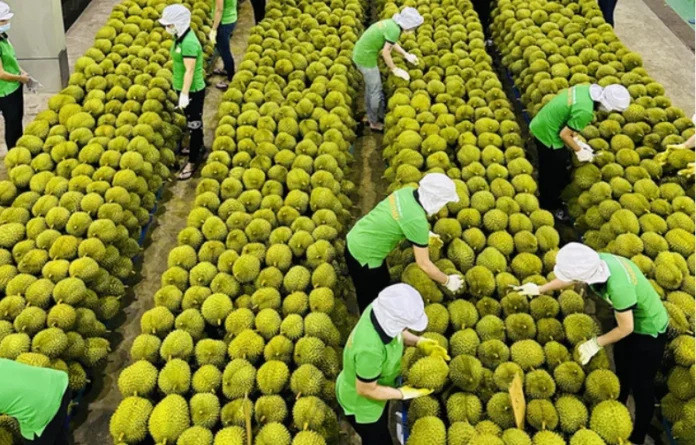
Officials point to the growing role of village-level industries in supporting regional growth. Manufacturing clusters, agricultural processing facilities and tourism projects have generated new sources of revenue while helping diversify local economies. Several communities have successfully developed niche industries that contribute significantly to household incomes.
Economic data from 2026 indicate that disposable incomes in many rural areas of Jiangsu continue to rise faster than the national average. Investments in education, healthcare and digital infrastructure have also improved access to public services, making rural areas more attractive places to live and work.
Analysts believe the province’s approach could serve as a model for other regions seeking balanced development. By combining industrial expansion with rural revitalization policies, local authorities have created conditions that encourage both economic growth and social stability.
Looking ahead, Jiangsu is expected to continue investing in innovation, green industries and smart agriculture. If current trends are maintained, rural economies could contribute an even larger share of provincial growth over the next five years. Experts anticipate that increased automation, digital commerce and sustainable development projects will further strengthen the competitiveness of village-based enterprises.
Challenges remain, including demographic pressures and the need to maintain long-term productivity gains. Nevertheless, many observers see Jiangsu’s rural transformation as evidence that economic modernization is no longer limited to large metropolitan areas.
For residents, the changes are tangible. New businesses, improved public services and rising incomes are reshaping daily life, reinforcing the idea that some of China’s most significant economic advances are increasingly taking place far from the country’s largest cities.