Arabfields, Maleeka Kassou, East, West & Central Africa Agriculture Correspondent — Togo has set an ambitious target of producing 105,000 tonnes of seed cotton during the 2026-2027 agricultural campaign, signaling renewed confidence in a sector that has shown signs of recovery after several challenging years.
The objective represents a significant step forward for the country’s cotton industry, which remains one of the most important sources of income for thousands of rural households. Authorities and producer organizations are encouraging farmers to expand cultivated areas and improve productivity as the new season gets underway.
The target is based on the cultivation of approximately 105,000 hectares nationwide. The goal follows a strong rebound during the previous campaign, when national production was expected to approach 80,000 tonnes, compared with just over 60,000 tonnes a season earlier. Improved yields, government support measures and favorable producer prices have contributed to the sector’s renewed momentum.
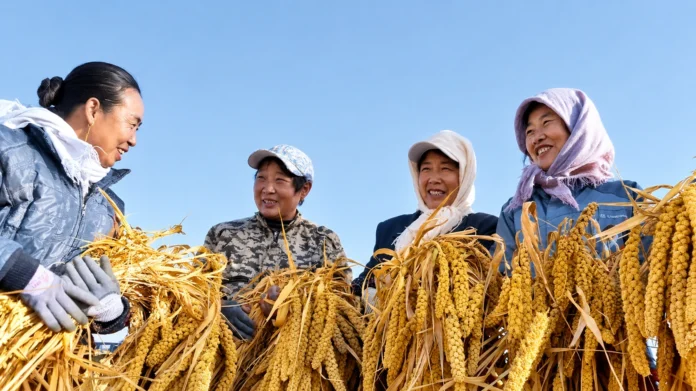
In cotton-growing regions across northern and central Togo, many farmers are entering the season with cautious optimism. Producer groups report growing interest in cotton cultivation as returns improve and technical support programs expand.
“We have seen better results than in previous years,” said a cotton farmer in the Centrale region. “If weather conditions remain favorable and inputs arrive on time, many producers believe they can increase production again.”
Regional performance has strengthened expectations for the upcoming campaign. In several production zones, yields have surpassed one tonne per hectare, reflecting improvements in farming practices and better management of agricultural inputs. Local officials hope these gains can be replicated across the country to support the national objective.
The government has maintained incentives aimed at supporting growers, including fertilizer assistance and a stable purchasing price for seed cotton. These measures are designed to encourage investment by farmers while protecting incomes in a volatile international market.
Analysts note that Togo’s cotton industry is recovering from a period marked by declining output and climate-related disruptions. Irregular rainfall and production challenges had previously weighed heavily on the sector, but recent improvements suggest a gradual turnaround.
Looking ahead, the industry’s prospects appear positive if current trends continue. Based on recent production growth and ongoing support policies, sector observers believe national output could exceed 120,000 tonnes within the next few years. Longer-term projections from industry stakeholders envision production eventually reaching between 150,000 and 200,000 tonnes by the end of the decade.
However, experts caution that weather conditions will remain a key factor. Sustained investments in productivity, climate resilience and farmer training are expected to play an increasingly important role in determining whether Togo can achieve its long-term ambitions.
For now, the 105,000-tonne target reflects growing confidence among producers and policymakers alike. As planting activities expand across the country’s cotton belt, many farmers see the new campaign as an opportunity to strengthen both household incomes and the broader agricultural economy.