Arabfields, Maleeka Kassou, East, West & Central Africa Agriculture Correspondent — The flour milling sector in Senegal continues to expand steadily as the demand for wheat and its derived products rises consistently across the population and the wider West African region. A recent industrial project has added a new wheat flour mill with a processing capacity of 500 tonnes per day, representing a significant step forward in strengthening local transformation capabilities and meeting evolving consumer needs. This development reflects the broader dynamism in the agro-industrial landscape, where investments in milling infrastructure are responding directly to sustained growth in wheat utilization for everyday food items.
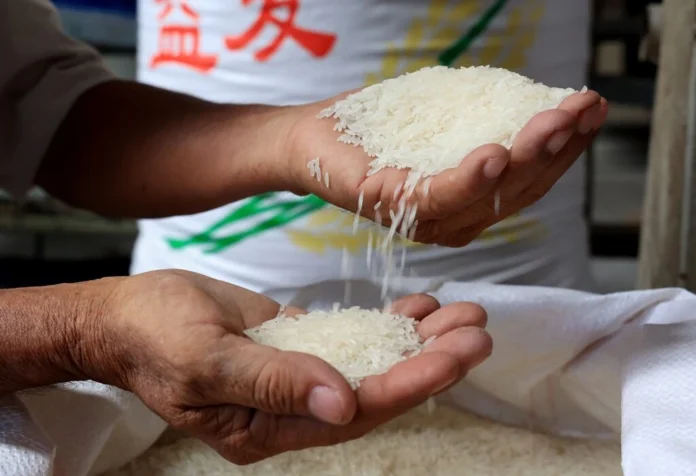
Wheat has established itself as the second most important cereal in the dietary patterns of Senegalese consumers, trailing only rice yet gaining prominence through its versatility in the preparation of bread, pastries, semolina, and pasta products. These items have become integral to daily meals, particularly in urban settings where convenience and variety influence food choices. The per capita annual consumption of wheat has demonstrated a clear upward movement over time, advancing from 27 kilograms in 2002 to 42 kilograms in 2020, a trend that underscores shifting preferences toward wheat-based foods amid broader economic and social changes. Such increases in individual intake contribute substantially to the overall market expansion, even as local wheat cultivation remains almost nonexistent, thereby necessitating reliance on external supplies to fulfill domestic requirements.
Senegal maintains its position as the third largest importer of wheat in West Africa, positioned after Nigeria and Ghana, with imports serving as the primary means to satisfy this growing appetite. The volume of soft wheat imports has risen notably, increasing by 30.3 percent over a five-year period and moving from 693,996 tonnes in 2020 to 904,947 tonnes in 2024. This volume growth has been accompanied by a more pronounced rise in the associated financial outlay, with the import bill advancing by 55.24 percent during the same interval to reach 171.37 billion CFA francs, equivalent to approximately 303.5 million US dollars in 2024. The differential between volume and cost escalations highlights the influence of international market prices on national expenditures, yet the steady demand signals resilience in consumer behavior despite such variables.
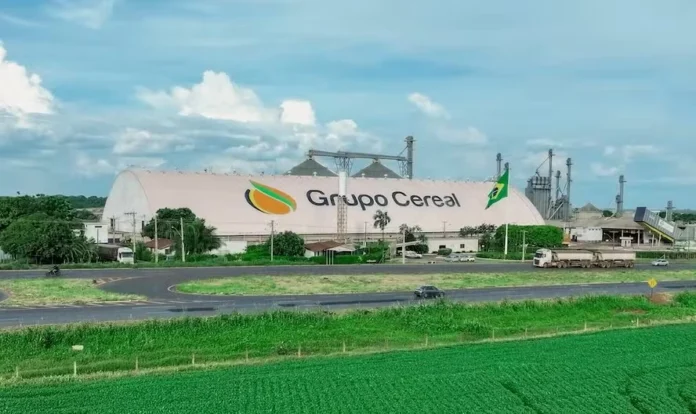
A network of milling operations handles the processing of these imported grains into flour, transforming raw materials into value-added products that support both local consumption and limited regional distribution. These facilities operate at varying scales and collectively form the backbone of the industry, enabling efficient conversion that adds economic value within the country rather than exporting unprocessed wheat. The presence of established players in this space has facilitated the scaling of production capacities over the years, and the addition of the new mill further augments the total available infrastructure, promising enhanced output levels in the near term.
Beyond serving the domestic market, a portion of the milled flour finds its way to export destinations within the West African subregion, contributing to Senegal’s role as a supplier in neighboring economies. Between 2020 and 2023, the average annual export volume of soft wheat flour stood at 13,861 tonnes, with a notable high of 29,249 tonnes recorded in 2021. Corresponding revenues from these shipments averaged 3.86 billion CFA francs, or about 6.83 million US dollars per year, peaking at 7.7 billion CFA francs in the same standout year of 2021. These export activities, though modest relative to imports, illustrate the potential for the milling sector to generate foreign exchange while addressing cross-border demand, particularly during periods of regional supply constraints.
The completion of the new milling unit, equipped to process 500 tonnes of wheat daily, positions the industry for greater self-sufficiency in flour supply and opens avenues for scaling up both domestic distribution and exports in the years ahead. When operational on a standard schedule, this facility alone can contribute an estimated 150,000 tonnes of additional annual processing capacity, directly supporting higher production volumes without proportional increases in import dependency. This enhancement aligns with the observed trajectory of demand growth and helps mitigate some of the pressures associated with fluctuating global commodity prices by localizing more of the value chain.
Projections for the sector’s development draw directly from the documented trends in consumption patterns and import volumes, indicating continued expansion in the foreseeable future. The historical rise in per capita wheat use, combined with the consistent annual increments in import quantities, supports expectations of sustained market enlargement. Extending the established compound annual growth rate of approximately 6.8 percent observed in recent import data, wheat import volumes are forecasted to approach or exceed 1,030,000 tonnes by 2026. This anticipated level would represent a natural progression from the 904,947 tonnes registered in 2024, driven by ongoing dietary shifts and population dynamics that favor wheat-derived staples.
In parallel, the per capita consumption figure, which reached 42 kilograms in 2020, is expected to advance further to around 48 kilograms by 2026 as urbanization and income growth reinforce these habits across diverse segments of society. Such an increase would align with the long-term pattern of roughly 0.83 kilograms added annually since the early 2000s, translating into higher aggregate demand that the reinforced milling capacity is well placed to accommodate. Meanwhile, the import bill may adjust in accordance with prevailing international prices, yet the overall economic footprint of the sector is projected to remain robust, potentially surpassing 190 billion CFA francs in expenditure while delivering corresponding benefits through local processing and employment in related activities.
Flour exports are likewise anticipated to benefit from the expanded infrastructure, with average annual volumes potentially rising above 18,000 tonnes by 2026 and revenues following suit to levels exceeding 5 billion CFA francs on average. The new mill’s contribution to total capacity will enable more consistent supply for regional markets, strengthening Senegal’s competitive standing as a reliable source of wheat flour in West Africa. This growth trajectory not only bolsters trade balances through value-added exports but also enhances food security by ensuring stable availability of affordable wheat products for the population.
The reinforcement of the milling industry carries broader implications for economic development, including the promotion of agro-industrial integration and the reduction of vulnerabilities tied to raw material imports. By investing in advanced processing units, the sector creates opportunities for technological transfer and operational efficiencies that can lower unit costs over time and improve product quality to meet both local and international standards. As demand continues its upward path, these capacities will play an essential role in balancing supply with consumption needs, supporting nutritional diversity and contributing to overall stability in the food supply chain.
Furthermore, the interest shown by international engineering expertise in establishing such facilities in Senegal signals confidence in the market’s long-term potential and encourages similar investments from other stakeholders. The combination of rising domestic requirements and export possibilities creates a favorable environment for sustained industry growth, where each increment in milling output translates into tangible economic multipliers across logistics, packaging, distribution, and retail channels. Over the coming years, this momentum is expected to position the wheat milling segment as a more prominent contributor to national industrial output and regional trade flows.
In essence, the ongoing expansion of Senegal’s flour milling capabilities, exemplified by the recent addition of substantial new capacity, directly addresses the persistent increase in wheat demand while laying the groundwork for future advancements. The statistical trends from recent years, when projected forward with due consideration for established growth rates, paint a picture of a sector poised for further consolidation and increased regional influence by 2026. With imports anticipated at over one million tonnes and enhanced local processing supporting both consumption and exports, the industry stands to deliver lasting benefits in terms of economic resilience, employment generation, and food accessibility for the population. This evolution reflects a strategic alignment between market forces and industrial development that promises continued progress in the agro-processing domain.