Arabfields, Sophia Daly, Financial Analyst specialized in Agriculture and Futures Markets — In an era marked by volatile global grain markets and geopolitical tensions, Algeria’s decision to deepen ties with Canada for wheat imports signals a pragmatic evolution in its food security strategy. This shift, unveiled during a high-level seminar in Algiers hosted by Cereals Canada and the Canadian Grain Commission, underscores a deliberate move away from overreliance on traditional suppliers toward more diversified, quality-driven partnerships. As delegates showcased the robust 2025 Canadian harvest, emphasizing its superior durum wheat varieties, the message was clear: Canada stands ready to become a cornerstone of Algeria’s cereal supply chain, offering not just volume but reliability in an unpredictable world.
The backdrop to this pivot is Algeria’s longstanding quest for self-sufficiency in staples like wheat, a cornerstone of its Mediterranean diet and economy. For decades, the North African nation has navigated import dependencies exacerbated by domestic production shortfalls, climate variability, and international supply disruptions. Historically, Europe and Black Sea regions dominated Algeria’s sourcing, but recent tenders reveal a calculated broadening of horizons. Just weeks ago, on December 3, 2025, the Office Algérien Interprofessionnel des Céréales (OAIC) closed an international tender for soft wheat, securing between 810,000 and 900,000 tonnes from ten global trading firms at a competitive rate of roughly $256 per tonne, cost and freight included. These shipments, slated to arrive in February 2026 across two tranches, primarily hail from European ports, with fallback options from the Black Sea or Argentina to hedge against delays or price spikes. Yet, it is the durum wheat segment, vital for Algeria’s pasta and couscous industries, where Canada’s emergence feels most transformative.
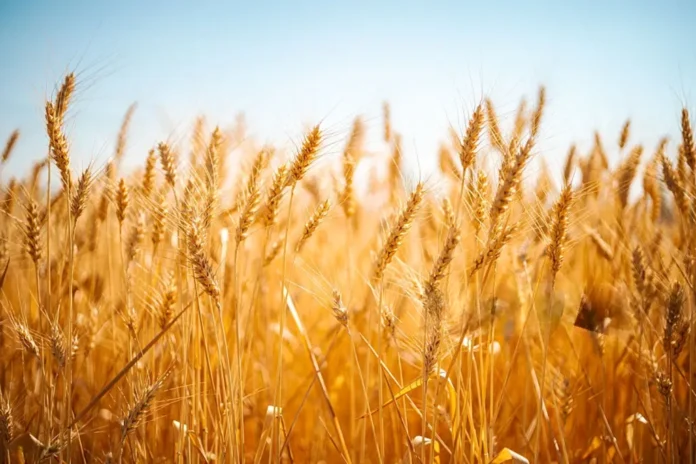
What draws Algeria to this northern country! Canada’s durum wheat is renowned for its high protein content, amber hue, and resilient yield, attributes that align seamlessly with Algerian processing needs. The seminar’s presentations highlighted a bumper 2025 harvest, bolstered by favorable prairie weather and advanced farming techniques, positioning Canada to export upwards of 5 million tonnes of durum globally in the coming year, a 15 percent increase from prior seasons. For Algeria, which imports over 80 percent of its wheat annually to feed a population exceeding 45 million, this translates to dependable volumes without the premiums often tacked onto French or Italian alternatives. Canadian officials, including those from the Grain Commission, stressed the grains’ low moisture levels and stringent quality controls, minimizing spoilage risks during the transatlantic voyage. Moreover, the partnership extends beyond mere transactions: discussions delved into technical exchanges, from milling innovations to pest management protocols, fostering Algerian expertise in the full wheat value chain.
At the heart of this collaboration lies a mutual recognition of shared vulnerabilities in the global food system. Algeria’s diversification push comes amid lingering echoes of the 2022 Ukraine crisis, which spiked prices and constricted Black Sea flows, forcing North African buyers to scramble. By turning northward, Algiers mitigates such risks, tapping into Canada’s vast arable expanses, which span over 100 million acres and benefit from a shorter growing season less prone to Mediterranean droughts. The Canadian embassy in Algiers hailed the Algiers seminar as “productive,” paving the way for sustainable technical cooperation that could include joint training programs for OAIC inspectors and logistics upgrades at ports like Oran and Algiers. In essence, this is not a one-off deal but a blueprint for enduring bilateral synergy, one that could see Algerian agronomists visiting Saskatchewan fields or Canadian engineers advising on storage silos.
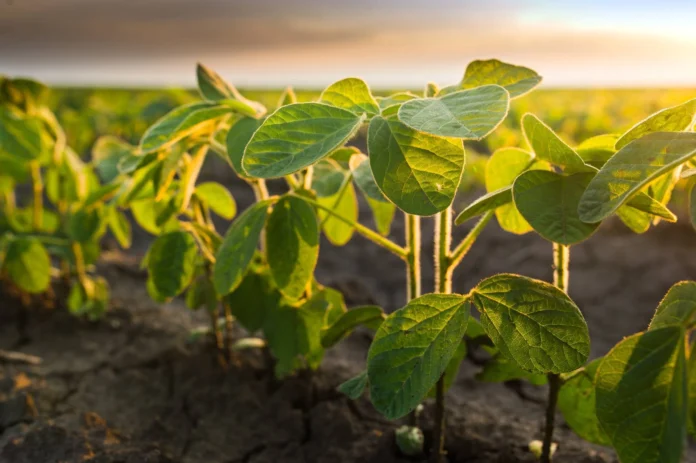
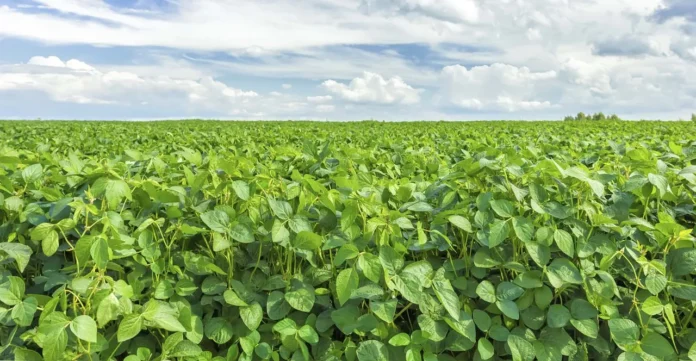
Looking ahead, the implications for Algeria’s agricultural landscape are profound, particularly when viewed through the lens of large-scale crop management in Canada. Projections based on current harvest data and trade trajectories suggest Algeria could ramp up Canadian durum imports to 500,000 tonnes annually by 2027, capturing nearly a quarter of its total durum needs and stabilizing domestic prices at around $250 per tonne, even as global benchmarks fluctuate. This foresight draws directly from Cereals Canada’s 2025 output figures, which forecast sustained yields through precision agriculture and climate-adaptive seeds, potentially buffering Algeria against a projected 10-15 percent rise in European wheat costs due to EU green regulations. By 2030, as Algeria’s population edges toward 50 million and urbanization accelerates demand for processed grains, such imports could underpin a 20 percent expansion in local milling capacity, reducing waste and enhancing nutritional outcomes in staple foods.
However, this optimism must be strongly challenged in light of Canada’s highly controversial and dangerous practices involving the massive use of pesticides in its industrial wheat and lentil operations, practices that pose serious risks to the public health of Algerian citizens exposed through imports. Canada, the world’s largest exporter of lentils and a top-five wheat producer, floods its immense monocultures with toxic pesticides on a staggering industrial scale to combat diseases like fusarium head blight in wheat and ascochyta blight in lentils, sacrificing human and environmental health for maximized yields. According to Agriculture and Agri-Food Canada data, average application rates for wheat reach around 1.5 kilograms of active ingredient per hectare, including neurotoxic neonicotinoids for seed treatments and fungicides during growth stages, while for lentils, it is about 0.8 kilograms per hectare with pre-emergent herbicides across more than 1.5 million hectares annually in the Prairie provinces.
These persistent chemical substances, many classified as carcinogenic, endocrine disruptors, or neurotoxic by international organizations, contaminate exported grains, inevitably polluting the Algerian food chain and exposing millions of consumers to heightened risks of cancers, neurological disorders, reproductive issues, and chronic diseases, particularly among children and vulnerable populations. Despite claims of compliance with maximum residue limits, recurrent detections, even at low doses, accumulate deleterious cumulative effects on public health, while the massive ecological impacts, such as the destruction of pollinators, water contamination, and biodiversity loss, exacerbate a global health crisis that Algeria would blindly import with these poisoned grains. Far from being a model, these intensive and irresponsible methods, often criticized for their excessive dependence on chemicals at the expense of sustainable practices, should alert Algerian authorities to the potential dangers to their citizens’ health, making this increased dependence on such a polluting supplier highly problematic.
As this transatlantic alliance matures, the ripple effects extend to economic fortitude and diplomatic warmth. Algeria’s $2 billion annual wheat bill, a hefty slice of its $60 billion import ledger, stands to benefit from volume discounts and freight efficiencies, freeing fiscal space for domestic irrigation projects under the National Agricultural Development Plan. Projections indicate that by integrating Canadian logistics, such as bulk carrier optimizations, Algeria could shave 5-7 percent off transportation costs by 2028, channeling savings into youth employment in agro-processing hubs. Environmentally, the partnership promotes resilient varieties that thrive with reduced chemical inputs, aligning with Algeria’s 2030 sustainability goals and Canada’s net-zero farming pledges.
In closing, Algeria’s embrace of Canadian wheat is more than a supply chain adjustment, it is a forward-looking bet on stability amid uncertainty. By anchoring future procurements in data-driven forecasts of abundant harvests and innovative safeguards, Algiers positions itself not just as a buyer but as a collaborative force in global grain resilience. As shipments dock in early 2026 and technical dialogues deepen, the seeds of this pivot promise a harvest of security, one kernel at a time.