Arabfields, Imed Aissaoui, Oran, Algeria — In recent years, Algeria has witnessed a remarkable transformation in its agricultural sector, which has emerged as a vital driver of national economic stability and growth. As of 2026, this sector contributes approximately 15 percent to the country’s gross domestic product, reflecting a steady upward trajectory from earlier periods when it occupied a more marginal position. This expansion underscores the success of sustained investments and policy reforms aimed at bolstering domestic production, enhancing food security, and reducing dependence on imports amid fluctuating global market conditions and geopolitical uncertainties.
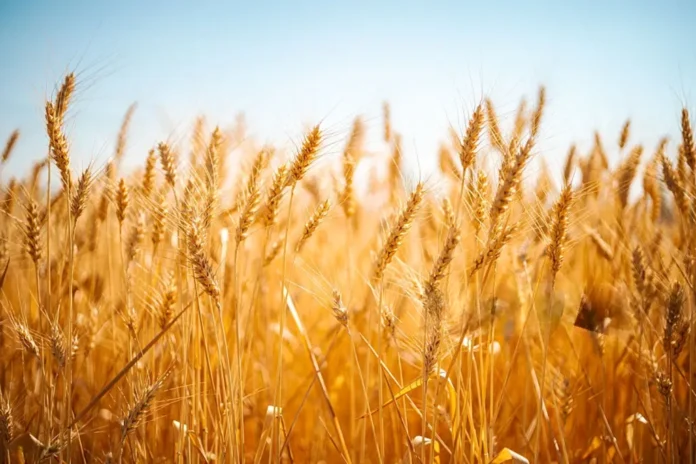
The agricultural domain now supports the fulfillment of around 80 percent of Algeria’s overall food requirements through local sources, a notable achievement that has alleviated pressure on the national import bill. Nevertheless, complete autonomy in certain critical areas, including cereals, milk, and meats, continues to present challenges influenced by climatic variability and international trade dynamics. For instance, cereal output in 2025 reached an estimated 4.2 million tonnes, aligning closely with the prior year’s levels and demonstrating resilience despite periods of irregular rainfall. Such results highlight the sector’s capacity to adapt, even as projections for 2026 anticipate continued moderate gains contingent upon effective water management strategies.
Government initiatives have played a central role in this progress, with substantial allocations directed toward modernization efforts. In 2026, authorities approved a budget of six billion US dollars for the agricultural sector, representing a four percent increase from the previous year and focusing on advanced technologies, expanded irrigation systems, and improved rural infrastructure. These measures seek to elevate productivity while addressing longstanding vulnerabilities. Complementary reforms emphasize the establishment of robust cooperatives, drawing inspiration from successful models in developed nations, to streamline marketing, storage, and distribution processes. By reducing the influence of intermediaries, such steps aim to stabilize consumer prices and ensure that gains from production translate more directly to both farmers and end users.
Production across diverse segments has shown encouraging trends. Citrus fruits have benefited from intensive cultivation techniques, yielding record harvests that position them favorably for both domestic consumption and potential exports. Dates, particularly the renowned Deglet Nour variety, maintain their status as a flagship product with strong international recognition, contributing significantly to foreign exchange earnings. Potatoes have also gained prominence in export-oriented strategies, supported by targeted planting expansions. In the domain of seeds, Algeria has achieved notable independence, having refrained from importing wheat seeds for more than three decades, which has facilitated the cultivation of locally adapted varieties. Plans for a dedicated gene bank further aim to strengthen resilience against climate stresses, incorporating genetic improvements to withstand drought and temperature fluctuations.
Despite these advancements, persistent issues warrant attention. An estimated 30 percent of agricultural output is lost annually due to insufficient mechanization, limited qualified labor, and inadequate preservation infrastructure. This wastage not only undermines food security but also exacerbates price volatility, as supply chain inefficiencies allow intermediaries to inflate costs through alternative distribution networks. High consumer prices for essential goods remain a concern, even in seasons of abundant yields, pointing to the need for more efficient logistics from production sites to markets.
Expansion into the southern Saharan regions offers substantial untapped potential, with vast arable areas capable of supporting large-scale irrigated farming. However, realizing this promise requires overcoming logistical barriers, including the development of refrigerated storage facilities and specialized transport systems to maintain product quality during distribution to northern urban centers. Investments in continuous cold chains, encompassing collection points, wholesale markets, and retail outlets, are underway to mitigate seasonal shortages and price swings.
Looking ahead, future projections grounded in current data and ongoing trends suggest a promising outlook for Algeria’s agriculture. By integrating scientific approaches, including the deployment of drones for precise crop monitoring and targeted interventions, the sector is poised for enhanced efficiency. Complementary irrigation projects, combined with genetic advancements in seeds, are expected to reduce vulnerability to rainfall patterns, potentially elevating cereal self-sufficiency rates toward 80 percent or higher in favorable conditions by the late 2020s. Agricultural production value is anticipated to approach or surpass 34 billion US dollars in the near term, driven by non-hydrocarbon growth that contributed to overall GDP expansion of around 3.8 percent in 2025, with similar moderate trajectories projected for 2026 at approximately 3.5 percent.
Broader economic forecasts indicate that the agricultural and related agri-food segments will continue to anchor diversification efforts away from hydrocarbons. Non-hydrocarbon sectors, encompassing agriculture, manufacturing, and services, have demonstrated robust performance, supporting household consumption and offsetting fluctuations in energy revenues. Should current reform momentum persist, including simplification of administrative procedures and incentives for private investment, the sector could generate increased export revenues from high-value products such as dates, citrus, olive oil, and potatoes. Targets for non-hydrocarbon exports to reach 29 billion US dollars by 2030 align with these ambitions, positioning agriculture as a key contributor to foreign currency inflows.
Training programs for young engineers and technicians in modern equipment operation and precision farming techniques will prove essential to this evolution. The establishment of urban agriparcs and the promotion of agro-industrial value chains further illustrate a holistic strategy that combines sustainability with economic pragmatism. While challenges such as climate variability and infrastructure gaps persist, the integration of renewable energy sources, including solar-powered irrigation, offers avenues to enhance long-term viability.
In summary, Algeria’s agricultural sector in 2026 stands as a testament to strategic foresight and adaptive policymaking. Its growing contribution to GDP, coupled with advancements in production and modernization, lays a foundation for sustained food security and economic diversification. Continued focus on technological innovation, logistical improvements, and human capital development will determine the extent to which these gains translate into broader prosperity, ensuring that the sector not only meets domestic needs but also competes effectively on regional and global stages in the years to come. Through prudent management and forward-looking investments, agriculture is set to reinforce Algeria’s economic resilience well into the future.