Arabfields, Maleeka Kassou, East, West & Central Africa Agriculture Correspondent — With four months remaining before the end of the 2025-2026 cocoa season, farmgate prices in Cameroon have stayed below CFA1,500 per kilogram, well under the levels anticipated at the beginning of the harvest cycle. The shortfall has surprised many in the sector, where earlier projections had pointed to stronger returns driven by steady global demand.
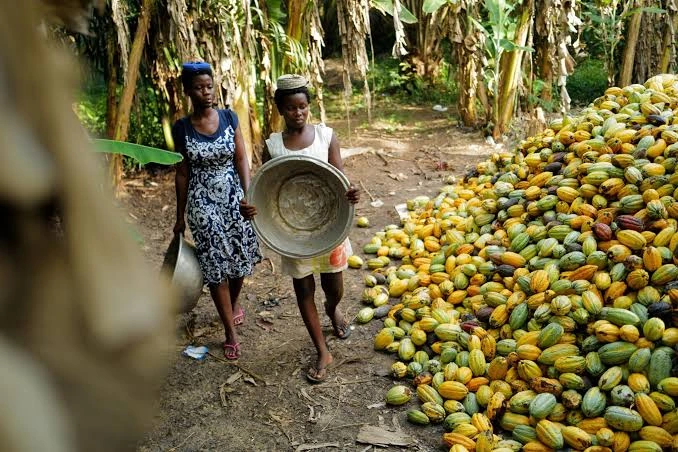
Smallholder farmers, who form the backbone of the industry, are feeling the direct effects. Joseph Mbarga, a producer from the Littoral region who manages a five-hectare plot passed down through three generations, noted the strain on daily operations. “We prepared for a better season after last year’s volatility, yet the prices have not risen as expected, and it is becoming harder to cover basic costs for fertilizers and labor,” he explained during a recent interview at his farm.
Market observers attribute the situation to a mix of robust local output in key growing areas and broader international supply patterns that have kept downward pressure on values. Although Cameroon remains one of Africa’s leading cocoa exporters, the current pricing environment has prompted growers to reassess their immediate plans for the remainder of the season.
Looking forward, analysts project modest stabilization if global consumption trends hold firm. Based on the prevailing data from the ongoing campaign, farmgate prices could approach CFA1,700 per kilogram in the early stages of the next season, provided weather conditions remain favorable across West Africa and no major disruptions occur in major consuming markets. Such a recovery would help ease the financial burden on producers and support continued investment in farm rehabilitation.
Yet prolonged weakness carries risks for future supply. Officials within the agriculture ministry have signaled that sustained returns below current thresholds might lead to reduced planting and maintenance efforts, potentially trimming national output by as much as 12 percent in the 2026-2027 cycle. In response, authorities are considering targeted incentives to maintain grower confidence and safeguard the sector’s long-term contribution to rural economies.
For now, the focus remains on navigating the final months of the present season, as farmers like Mbarga balance immediate cash-flow needs with cautious optimism for gradual improvement ahead.