Arabfields, Farah Benali, Economic Correspondent, China — ChinaWith a population exceeding 1.4 billion, China commands a central position in the world’s food systems, shaping supply chains for cereals, oilseeds, and meats through its vast production and consumption patterns. Farmers across the country continue to deliver record harvests, while policymakers in Beijing pursue greater self-sufficiency, a shift that carries significant implications for international markets.
China maintains nearly 10 percent of global arable land, yet its demand for agricultural goods far outstrips domestic capacity in several key areas. In recent years, the country has imported food products valued at an average of more than 200 billion dollars annually, a figure that underscores its role as a dominant buyer. This scale of activity influences prices and trade flows worldwide, affecting producers from South America to North America and beyond.
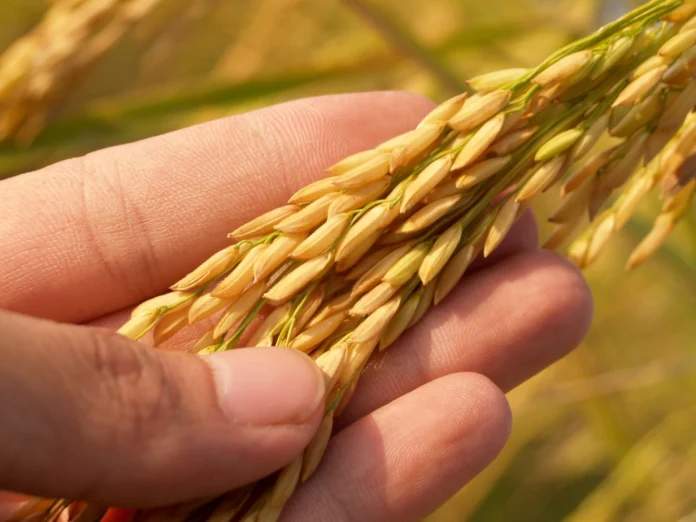
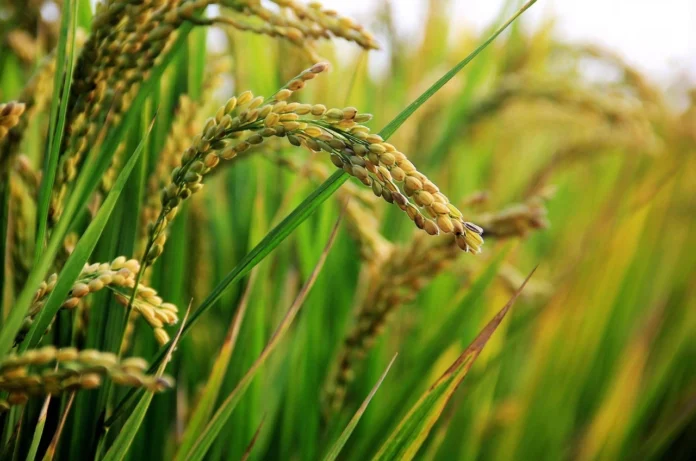
In the cereals sector, Chinese output remains formidable. Wheat production stood at approximately 140 million tonnes in the 2024-2025 season, representing over 17 percent of the global total and surpassing the combined harvests of the European Union’s 27 member states. Maize output is projected to approach or exceed 300 million tonnes in the current 2025-2026 season, accounting for roughly 23 percent of world supply. Rice consumption stays elevated, supported by substantial domestic stocks that exceed 100 million tonnes, even as import decisions by Chinese authorities can tighten or ease availability for buyers in Africa and the Middle East.
Oilseeds tell a similar story of heavy reliance. China absorbs around 60 percent of global soybean trade, with imports reaching a record 111.8 million tonnes in 2025. These purchases primarily support livestock feed for pork, poultry, and aquaculture operations, as well as oil processing. Major exporters such as Brazil, Argentina, and the United States monitor Chinese demand closely, since even modest adjustments in purchasing volumes or supplier preferences can redirect global flows and alter price levels.
Meat production highlights China’s weight in animal proteins. The country accounts for nearly half of worldwide pork output and consumption, maintaining the largest pig herd on the planet with more than 700 million head. Poultry production reached about 16.5 million tonnes in 2025, driven by rising urban incomes and greater appetite for affordable protein sources. These figures reflect the daily realities faced by millions of Chinese farmers and processors who supply domestic tables while contributing to broader market balances.
Recent developments point to a strategic evolution. According to China’s Agricultural Outlook for 2026-2035, grain production is expected to climb to 716 million tonnes in 2026, with further increases projected to 733 million tonnes by 2030 and 753 million tonnes by 2035. Officials anticipate a gradual reduction in imports of staples, including soybeans, which are forecast to decline by 6.1 percent in 2026 and reach approximately 82.6 million tonnes by 2035. Pork imports may fall by 8.2 percent next year, alongside smaller drops in beef and dairy.
Such forecasts stem from sustained investments in yield improvements, farmland protection, and domestic breeding programs. Policymakers aim to lessen external dependence amid demographic shifts and efforts to stabilize rural economies. For global traders, this transition could mean moderated demand growth in certain categories, potentially easing pressure on some supply chains while prompting exporters to seek new markets.
Observers note that China’s moves will continue to reverberate. A senior trade analyst based in Singapore remarked that any sustained decrease in Chinese soybean purchases would likely benefit competing importers but could also compress margins for producers in key exporting nations. Similarly, livestock sectors worldwide remain attuned to fluctuations in Chinese feed demand, which ties directly to the scale of its meat output.
As 2026 unfolds, the interplay between China’s domestic priorities and its global footprint will remain a defining feature of agricultural markets. Production gains at home may temper import volumes, yet the country’s sheer size ensures it will influence commodity balances for years ahead. Stakeholders from farmers in the American Midwest to shippers in Brazilian ports will watch these developments with close attention, adapting to a landscape where one major player’s choices shape opportunities and challenges across continents.