Arabfields, Sophia Daly, Financial Analyst specialized in Agriculture and Futures Markets — The global rice market entered a sensitive period on May 22, 2026, as rising demand, weather concerns and shifting export policies continued to influence prices and international trade flows. Governments, traders and food companies are closely monitoring the sector after several years of supply disruptions and inflation across agricultural markets.
Rice prices remained elevated during the first half of 2026 despite stronger harvest expectations in parts of Asia. Exporters in Thailand, Vietnam and India reported stable international demand, particularly from African and Middle Eastern importers seeking to secure long-term supply contracts before the next harvest cycle.
India, the world’s largest rice exporter, is expected to maintain a dominant position in global trade this year with export volumes projected to exceed 22 million tonnes. Improved monsoon conditions helped stabilize production after previous seasons marked by climate uncertainty and export restrictions. However, traders say authorities remain cautious about domestic food inflation and may continue adjusting trade policies depending on local supply conditions.
At rice distribution centers in Bangkok and Ho Chi Minh City, exporters described heavier shipping activity compared with early 2025. Freight operators reported increased bookings from importers in West Africa and Southeast Asia, where population growth and urban consumption continue driving strong demand for affordable staple foods.
Global rice production in 2026 is projected to surpass 540 million tonnes, supported by improved harvests in China, India and Bangladesh. Agricultural analysts believe the market could see moderate supply recovery this year, although inventories remain under pressure in several importing nations.
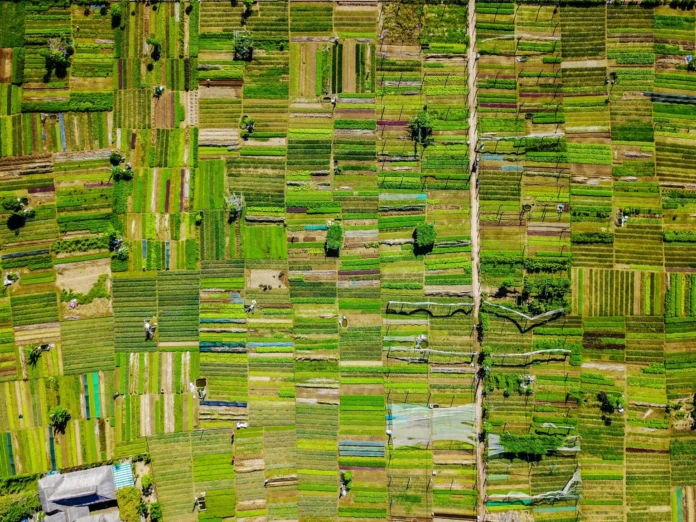
Climate conditions continue to create uncertainty across major producing regions. Flooding in parts of South Asia and drought concerns linked to El Niño patterns have raised fears of possible production losses later in the season. Farmers in some areas of Southeast Asia also reported rising irrigation costs and declining water availability.
Consumers in many countries are still feeling the impact of elevated food prices. In several African economies, rice remains one of the most important imported staples, forcing governments to increase subsidies and food security programs to limit pressure on household budgets.
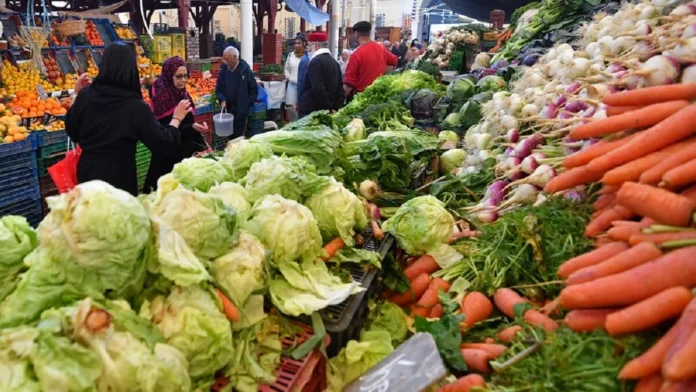
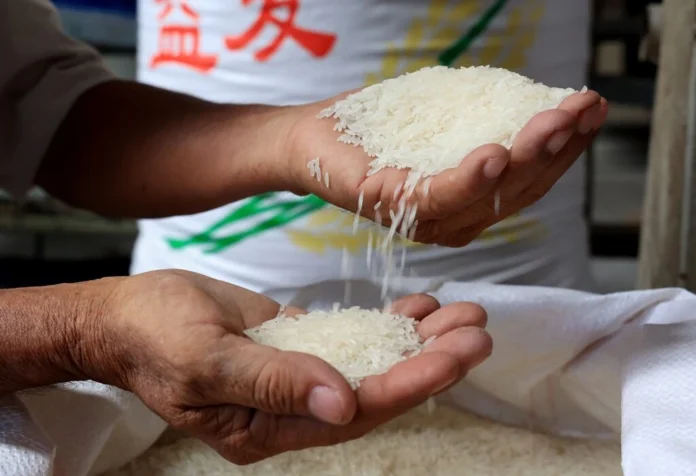
Trade experts say demand for premium rice varieties is also expanding, especially in urban markets across the Gulf region and Europe. Higher-income consumers are increasingly purchasing specialty rice products, including fragrant and organic varieties, creating new export opportunities for Asian producers.
Market forecasts indicate that global rice demand could continue growing steadily through 2027 as population growth and changing dietary patterns increase consumption in developing economies. Economists expect prices to remain volatile if climate disruptions intensify or if major exporters introduce new trade restrictions to protect domestic markets.
For producers and importers alike, the rice industry is entering a period where food security, climate resilience and international trade policy are becoming more interconnected than ever. Analysts believe future stability in the market will depend not only on harvest size, but also on how governments manage supply risks in an increasingly uncertain global environment.