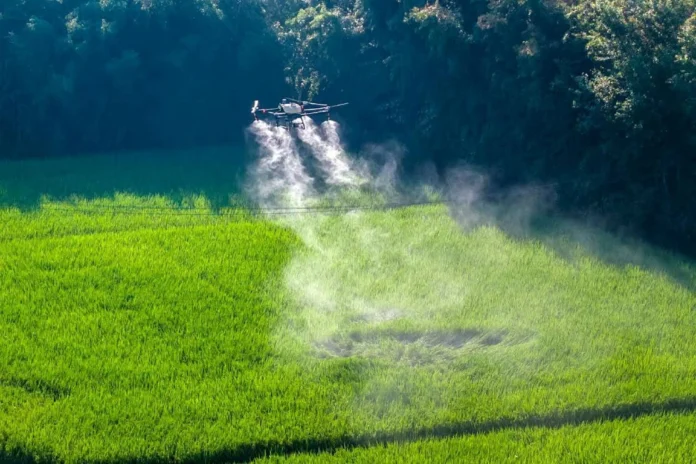
Arabfields, Farah Benali, Economic Correspondent, China — China has unveiled an ambitious new roadmap aimed at accelerating agricultural and rural modernization over the next five years, placing food security, technological innovation and farmer incomes at the center of its long term development strategy.
The plan, covering the 2026-2030 period, comes as policymakers seek to strengthen the country’s agricultural resilience while supporting economic growth in rural communities. Officials say the initiative is designed to improve productivity, expand the use of advanced farming technologies and narrow development gaps between urban and rural areas.
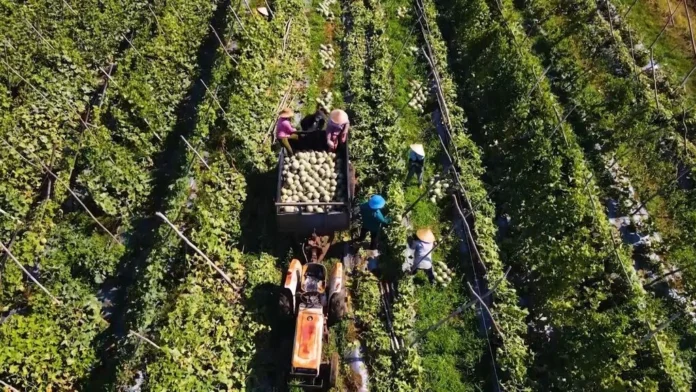
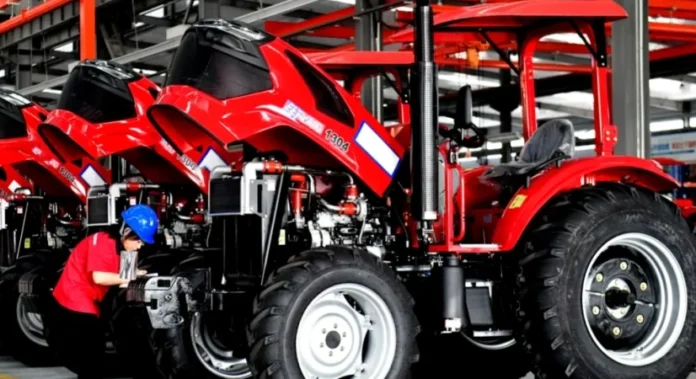
In farming regions across the country, many producers are already preparing for a new phase of modernization. Liu Wei, a soybean grower in northeastern China, said access to improved machinery and digital tools has transformed daily operations in recent years.
“Technology is helping us manage larger areas with greater efficiency,” he said. “The next step is making sure these innovations reach more farmers.”
Agriculture remains a vital pillar of the Chinese economy. In 2026, the country continues to prioritize domestic food production as demand for grain, livestock and higher quality agricultural products grows alongside rising living standards. Industry estimates suggest that investment in agricultural technology and infrastructure has continued to expand, supporting efforts to increase yields and improve sustainability.
The government’s latest strategy emphasizes stronger food security and greater self reliance in agricultural science and technology. Authorities also aim to improve the competitiveness of the farming sector while ensuring that gains from development are shared more broadly across rural communities.
Analysts view the initiative as a significant step toward transforming agriculture into a more advanced and efficient industry. They note that improved logistics, mechanization and research capabilities could help reduce production risks and strengthen supply chains in the years ahead.
The plan also focuses on raising rural incomes. Economists expect continued investment in modern farming methods and rural industries to create new employment opportunities and support household earnings. If implementation progresses as expected, average rural incomes could continue to grow steadily through the end of the decade.
Looking ahead to 2030, projections based on the government’s objectives suggest stronger agricultural output, wider adoption of smart farming technologies and deeper integration between urban and rural economies. Experts believe that advances in agricultural innovation and infrastructure could further enhance productivity while helping rural communities attract investment and retain younger workers.
For many residents in the countryside, the success of the program will ultimately be measured by tangible improvements in everyday life. Better services, higher incomes and more modern farming practices are expected to play a central role as China pursues its broader modernization goals over the coming years.